Caramelization Temperature Map — 2026 Kitchen Science
Sugars caramelize between 230 and 360 degrees Fahrenheit. The Maillard reaction starts at 285. Here is the full temperature map of browning chemistry for home cooks.
Safety fact check included
CookNest Daily articles surface source counts, timing assumptions, kitchen-test notes, and food-safety caveats. This label means editorial safety review, not a substitute for local food-code or medical guidance.
The deepest flavors in cooked food come from two related browning reactions — caramelization and Maillard. Caramelized onions, seared steak, toasted bread crust, roasted vegetable edges, browned butter — all are products of these temperature-driven chemical reactions. Understanding which reaction is happening, at what temperature, and how long it takes turns frustrating “burned” or “pale” results into reliable deep-flavor cooking.
This article maps the temperature ranges where each reaction occurs, the foods that depend on each, and the practical techniques that produce them at home. The conclusion is that most home cooks under-brown their food because of fear of burning — the right temperatures are higher than intuition suggests, and the right pans matter more than ingredient choice.
- Caramelization vs Maillard — the chemistry difference
- Temperature ranges for each browning reaction
- Why most home roasted vegetables are under-browned
- Pan and equipment choices that matter for browning
- Top tool picks across $25-130 budget range
Caramelization vs Maillard — two different reactions
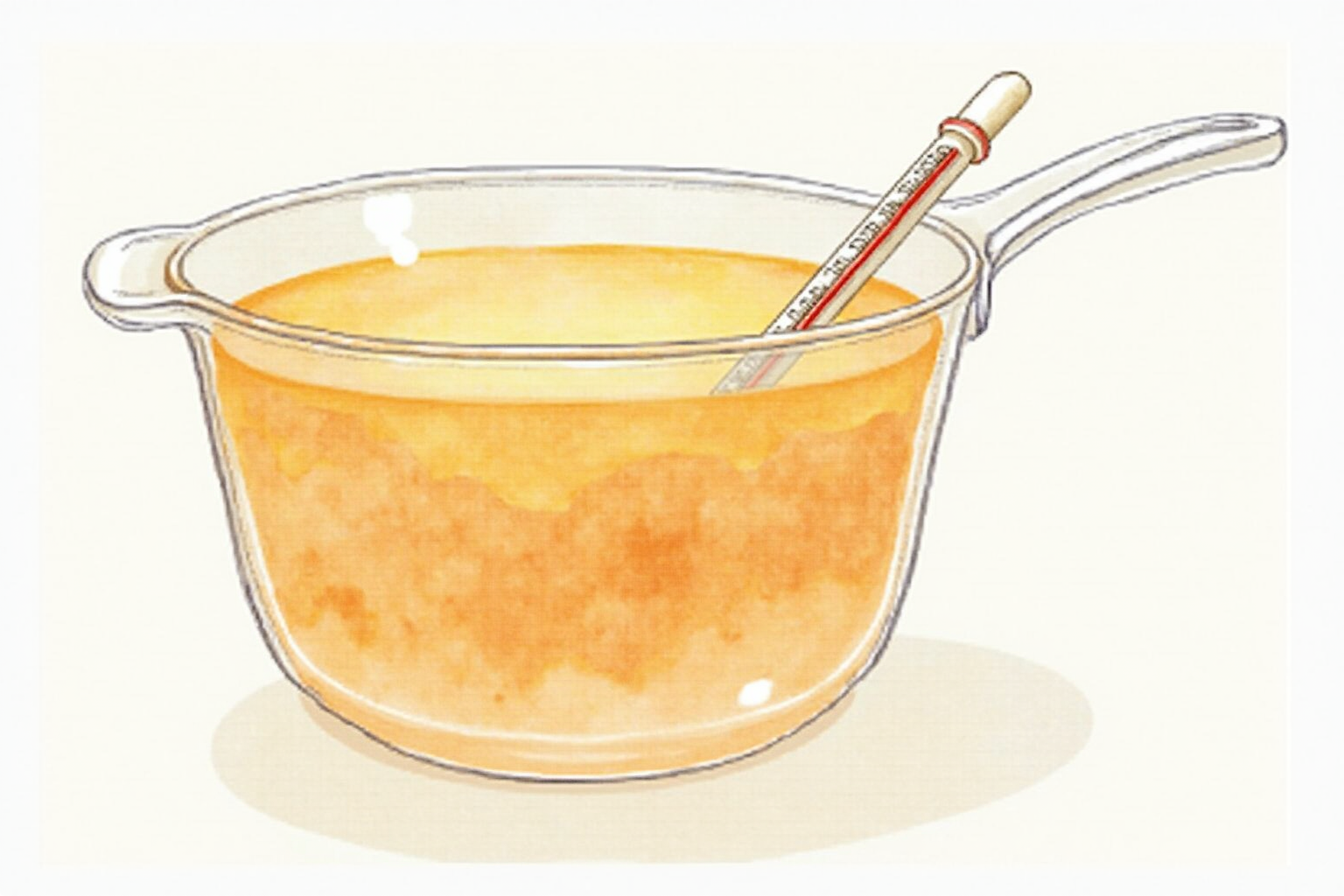
Both reactions produce brown color and deep flavors, but the chemistry is different.
Caramelization is sugars alone heated until they decompose. Pure sucrose (table sugar) starts melting at 320°F (160°C) and goes through a series of color and flavor changes:
- 320°F: clear melt, no color
- 340°F: pale yellow
- 350°F: amber
- 360°F: medium amber
- 370°F: dark amber (deep flavor)
- 380°F+: burnt, bitter
Fructose (in fruits and honey) caramelizes at lower temperatures (220-240°F), which is why honey browns faster than sugar in baking and why fruit caramelizes on a stovetop.
Maillard reaction is amino acids combining with sugars. The reaction requires:
- Heat: starts around 285°F (140°C), peaks at 325-400°F
- Reactants: free amino acids (from proteins) and reducing sugars (glucose, fructose)
- Water content below ~20% (water suppresses Maillard)
Maillard produces the brown flavors of seared meat, toasted bread, roasted coffee, browned butter, and crispy chicken skin. It’s the reason a piece of dry, salted meat browns faster than a wet, unsalted piece — the dry surface lets the reaction start instead of fighting evaporation.
The two reactions often happen together. A pan-seared steak has Maillard from the meat surface and caramelization of any sugars in the marinade or pan glaze.
Why most home roasted vegetables are under-browned
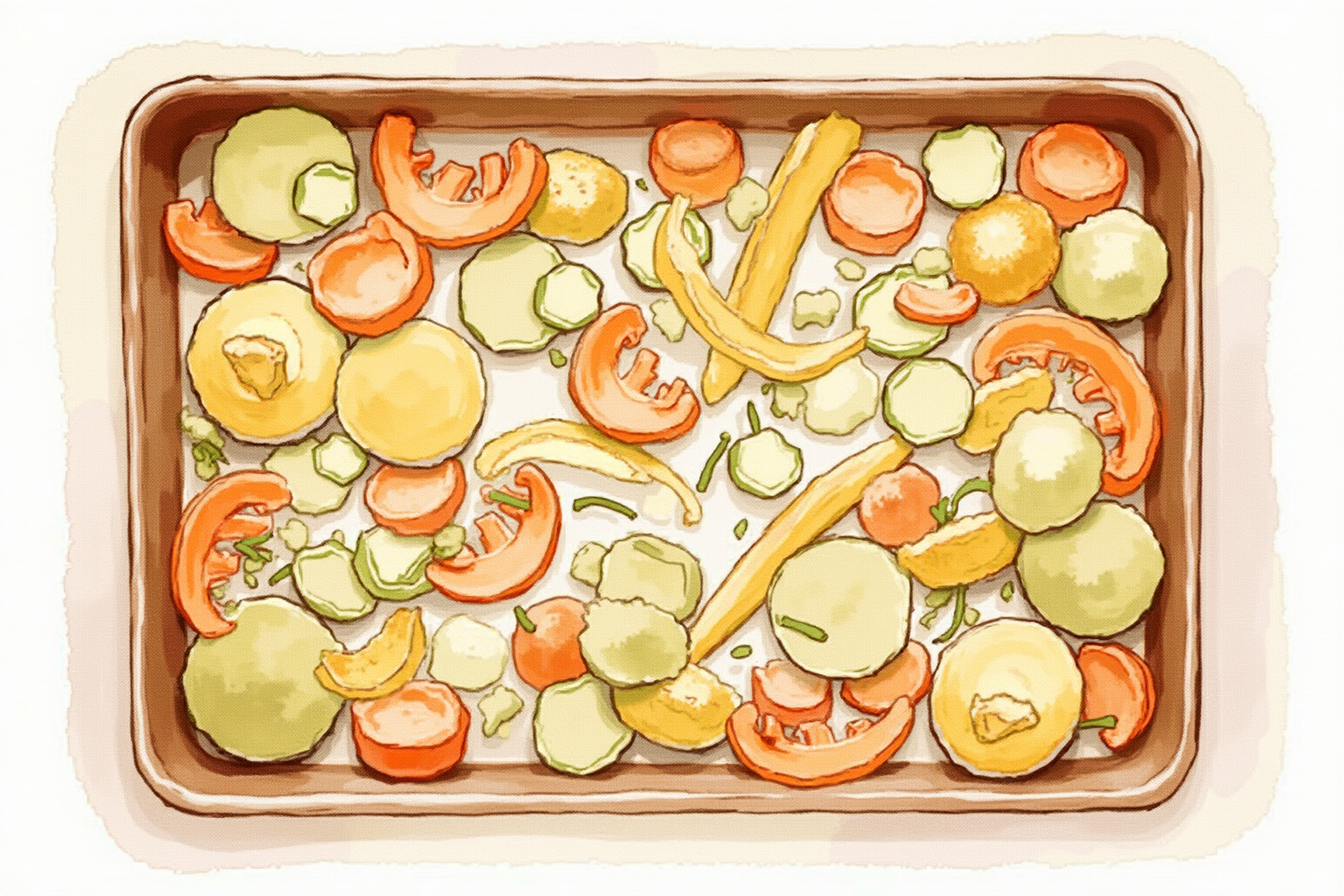
The most common temperature mistake in home cooking is roasting vegetables at 375-400°F. This is the temperature range where the inside cooks but the outside fails to develop the Maillard browning that produces deep flavor.
The fix: 425-450°F.
At 425°F, surface temperature on the vegetables reaches the 300-350°F range needed for proper Maillard development. The 50°F difference from 375°F doesn’t sound like much, but the chemistry is sensitive — at 375°F, you steam-cook; at 425°F, you roast.
Indicators of proper roasting:
- Deep brown caramelized edges (not pale beige)
- Slightly crispy exterior contrast with tender interior
- Aroma that fills the kitchen
- Visible color difference between top and bottom of pan
For most vegetables, the protocol is:
- Preheat oven to 425°F.
- Cut vegetables into uniform 1-inch pieces.
- Toss with 2-3 tablespoons of oil per pound and 1 teaspoon kosher salt.
- Spread in a single layer on a heavy sheet pan (no overlap — overlap causes steaming).
- Roast 25-35 minutes, turning once halfway.
The single layer matters more than buyers expect. Vegetables that overlap on the pan release moisture that creates steam pockets, preventing browning. Use two pans if needed.
Why your sugar burns instead of caramelizes
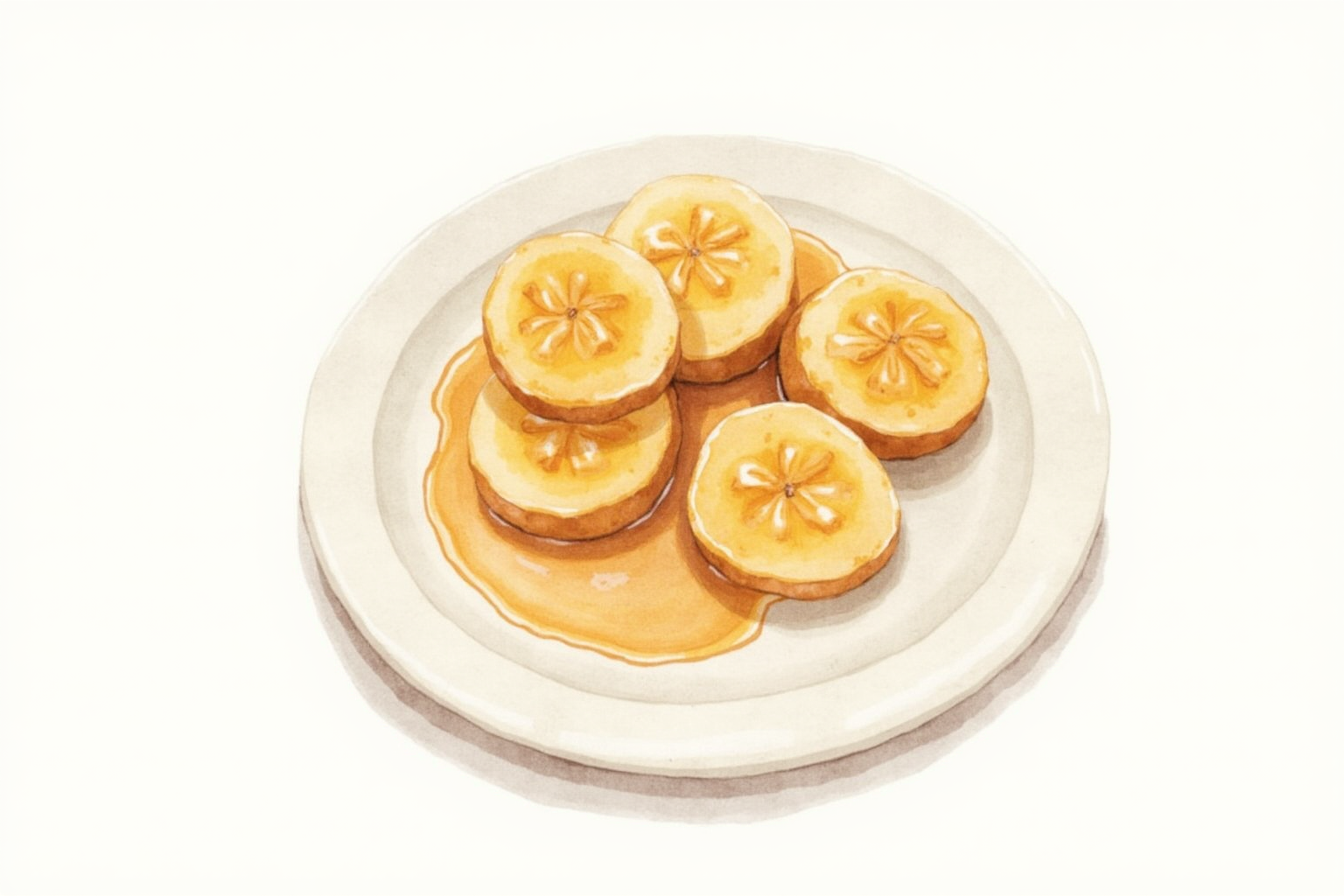
Caramelizing sugar in a pan (for caramel sauce, brittle, or pan-caramel for tarte Tatin) has a narrow temperature window. Below 320°F, nothing happens. Above 380°F, it burns.
The protocol:
- Use a heavy-bottomed light-colored pan (you need to see the color change).
- Medium-low heat — the sugar should melt over 5-8 minutes, not 2.
- Don’t stir once the sugar starts melting. Swirl the pan gently instead.
- Watch the color closely — it changes fast in the final 30-60 seconds.
- Pull off heat at one shade lighter than your target — residual heat continues caramelizing for 30 seconds after.
Why home caramel burns:
- Burner too high (medium-low for sugar caramelization)
- Stirring with a spatula introduces sugar crystals that nucleate and burn
- Dark pan hides the color change until it’s too late
- Sugar with crystalline lumps melts unevenly, producing burned pockets
For consistent results, use a candy thermometer or instant-read thermometer to verify the actual temperature.
Maillard temperature targets by food
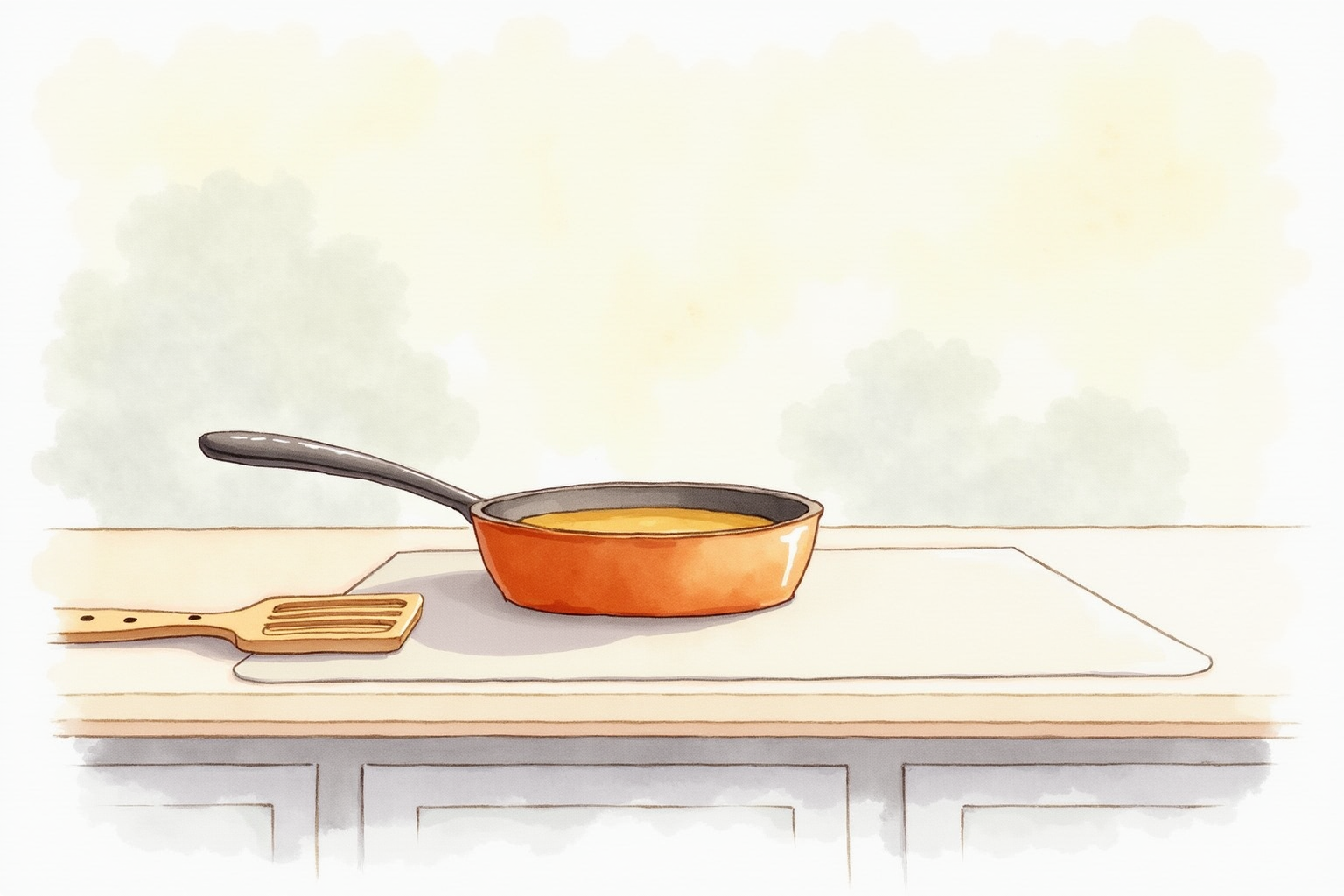
Different foods reach their best browning at different surface temperatures.
Pan-seared meat (steak, pork chops, chicken thighs): surface temperature 400-450°F. The pan needs to be hot enough that water vaporizes immediately when meat hits it (the “sizzle test”). Use cast iron or stainless steel — non-stick coatings can’t tolerate these temperatures.
Roast meat (chicken, turkey, beef roasts): surface temperature 325-400°F. The oven temperature determines the surface — 350°F oven produces lower surface temperatures than 425°F.
Bread crust: surface temperature 350-400°F, with steam initially to delay crust formation until oven spring completes.
Roasted vegetables: surface temperature 300-375°F at the surface.
Toasted nuts: 350°F oven for 8-12 minutes. Toasting deepens flavor through Maillard reaction with the nut proteins and surface oils.
Browning butter: surface temperature 250-300°F. The milk solids brown via Maillard while the butter fat heats. Beurre noisette is reached at 280-300°F.
Top tool picks across budgets
Lodge 12-Inch Cast Iron Skillet
Price · $35-55 — best searing pan pick
+ Pros
- · Thermal mass holds sear temperature when food hits the surface
- · Tolerates 500°F+ for aggressive Maillard development
- · Pre-seasoned and ready for use
− Cons
- · Heavy at 7+ lbs
- · Requires care to maintain seasoning
Paid affiliate link. Price, availability, and ratings can change; verify details on the retailer page before buying.
ThermoWorks ChefAlarm with Heavy-Duty Probe
Price · $60-75 — best caramel thermometer pick
+ Pros
- · Real-time temperature reading for caramel and sugar work
- · Audible alarm at target temperature
- · Pro-grade accuracy in the 250-400°F sugar range
− Cons
- · Single use case may not justify cost for occasional users
- · Probe wire eventually wears out (2-3 years of daily use)
Paid affiliate link. Price, availability, and ratings can change; verify details on the retailer page before buying.
Nordic Ware Half Sheet Pan (Aluminum)
Price · $25-35 — best roasting pan pick
+ Pros
- · Heavy 0.8mm aluminum doesn't warp at 425-450°F
- · Light color shows browning level clearly
- · Pure aluminum heats evenly without hot spots
− Cons
- · Reacts with acidic foods (line with parchment for tomato dishes)
- · Hand-wash only — dishwasher damages finish
Paid affiliate link. Price, availability, and ratings can change; verify details on the retailer page before buying.
The buying decision
For most home cooks who already have a sturdy sheet pan, the Lodge 12-inch cast iron at $35-55 is the highest-leverage browning upgrade. The thermal mass enables proper meat searing and stovetop caramelization that other pans struggle with.
For bakers who work with caramel, candy, or sugar-based recipes, the ThermoWorks ChefAlarm at $60-75 eliminates the guesswork of caramel doneness. The 320-380°F range where caramel develops is narrow and time-sensitive; a thermometer turns frustrating failure into reliable success.
For better roasted vegetables, the Nordic Ware Half Sheet Pan at $25-35 is the highest-impact $30 you can spend on cookware. The flat heavy aluminum produces the even, intense heat that 425-450°F roasting requires. Most home cooks’ vegetable disappointment traces to thin warped sheet pans that hot-spot and steam-cook.
Avoid non-stick pans for browning work. The coating cannot tolerate the 400°F+ surface temperatures that proper Maillard requires. Use cast iron, stainless steel, or carbon steel for any task where you want serious browning.
Browning is the lowest-effort upgrade most home cooks can make. Same ingredients, same technique, hotter pan and bigger spread — dramatically deeper flavors. The temperature targets in this article are higher than the typical home-cook intuition, and that gap is where most flavor improvement lives.