Pizza Stone vs Pizza Steel — 2026 Home Pizza Baking Test
Pizza stone and steel compared on heat retention, crust browning, and the temperatures that actually replicate a wood-fired oven at home.
Safety fact check included
CookNest Daily articles surface source counts, timing assumptions, kitchen-test notes, and food-safety caveats. This label means editorial safety review, not a substitute for local food-code or medical guidance.
The home pizza revolution of the 2010s split into two camps: the traditionalists with pizza stones (cordierite slabs that mimic ancient brick ovens) and the modernists with pizza steel (thick steel plates that transfer heat dramatically faster). The Modernist Pizza encyclopedia from Nathan Myhrvold’s team formalized what serious home pizza bakers had been observing for years: steel produces better pizza than stone in typical home oven temperatures.
This article explains the thermal physics behind the difference, lays out the practical considerations (cost, weight, safety), and provides specific picks for both categories. The conclusion is straightforward — pizza steel is the better tool for most home pizza bakers willing to spend $80-150, while stone remains an excellent budget choice at $30-60.
- Why steel beats stone for home pizza ovens
- Preheat protocol that actually produces leopard-spotted crust
- Thermal shock risk and cleaning differences
- Cost vs performance tradeoffs
- Top picks across $30-150 budget range
The thermal physics — why steel transfers heat faster
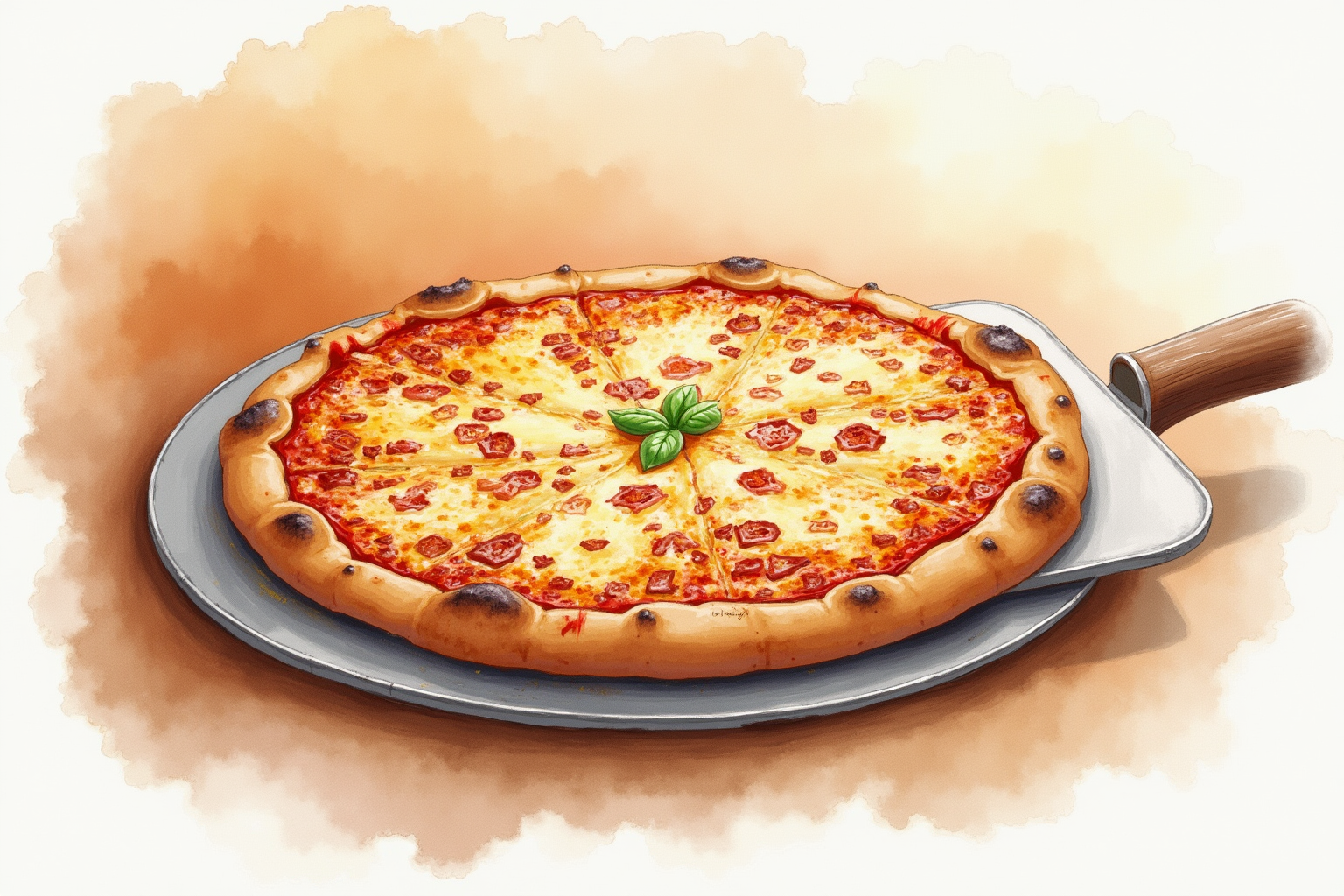
The defining specification for any pizza baking surface is thermal conductivity — how fast it transfers heat from itself into the dough.
Cordierite pizza stone: thermal conductivity around 2-4 W/m·K.
Steel pizza plate: thermal conductivity around 45-50 W/m·K.
The 14-17x difference means the steel delivers heat to the pizza bottom dramatically faster. The first 30-60 seconds of pizza baking — when the dough hits the hot surface and starts to spring up — determines whether the bottom crust achieves the leopard-spotted appearance that defines Neapolitan-style pizza. Stone moves heat too slowly to produce this effect at 500-550°F home oven temperatures.
In commercial wood-fired ovens running at 800-900°F, stone works well because the temperature differential overcomes the lower conductivity. At home oven temperatures, the differential is too small. Steel’s higher conductivity bridges the gap.
The visible difference: a 90-second bake on steel produces a leopard-spotted bottom and full oven spring. The same time on stone produces a paler, less developed crust. To match steel’s results on stone, you’d need to extend the bake time, which burns the top before the bottom finishes.
For most home pizza bakers using a standard oven at 500-550°F, steel produces a noticeably better pizza than stone of comparable size and thickness.
Preheat protocol — 45 minutes minimum
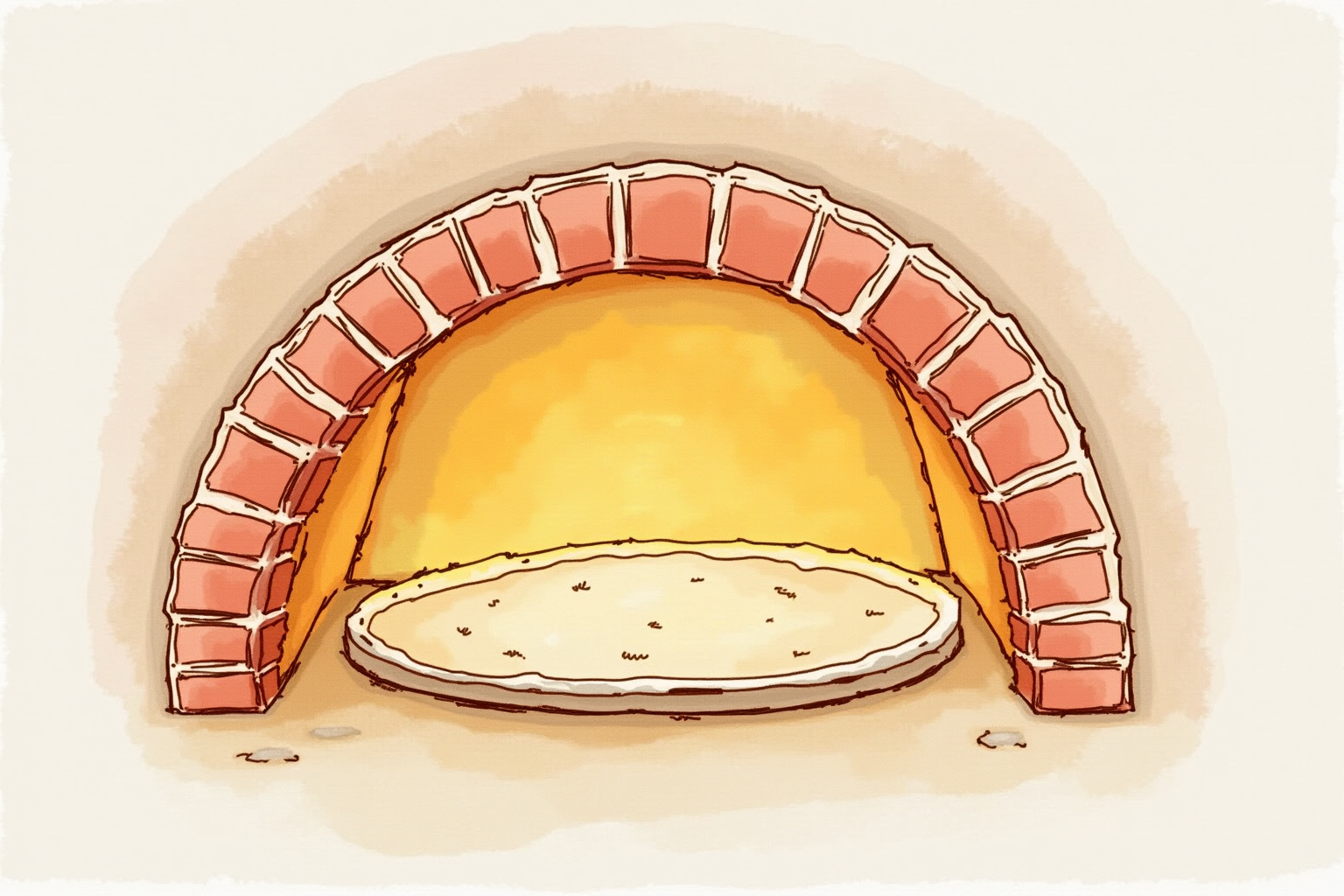
The single most-skipped step in home pizza baking is sufficient preheat time. Both stone and steel need at least 45 minutes at maximum oven temperature to fully saturate with heat.
The reason: the thermometer on the oven measures air temperature, not surface temperature. Air temperature rises in 10-15 minutes; surface temperature of the stone or steel takes 45+ minutes to catch up because of the thermal mass.
Protocol that works:
- Place the stone or steel on a middle or upper-middle rack 45-60 minutes before baking.
- Preheat to maximum temperature (500-550°F for most home ovens).
- If the oven has convection mode, leave it on for the preheat (faster heat distribution) and turn it off when launching pizza (calmer airflow on the dough).
- Verify surface temperature with an infrared thermometer — target 500°F+ before launching.
Common preheat mistakes:
- Preheating for only 15-20 minutes (the air is hot but the surface is still warming)
- Opening the oven to check progress (each opening drops surface temperature 50-75°F)
- Placing the stone on the bottom rack (too far from broiler for top browning)
For very thick stones or large 16-inch+ steels, extend preheat to 60-75 minutes.
Cost vs performance — when does the upgrade matter
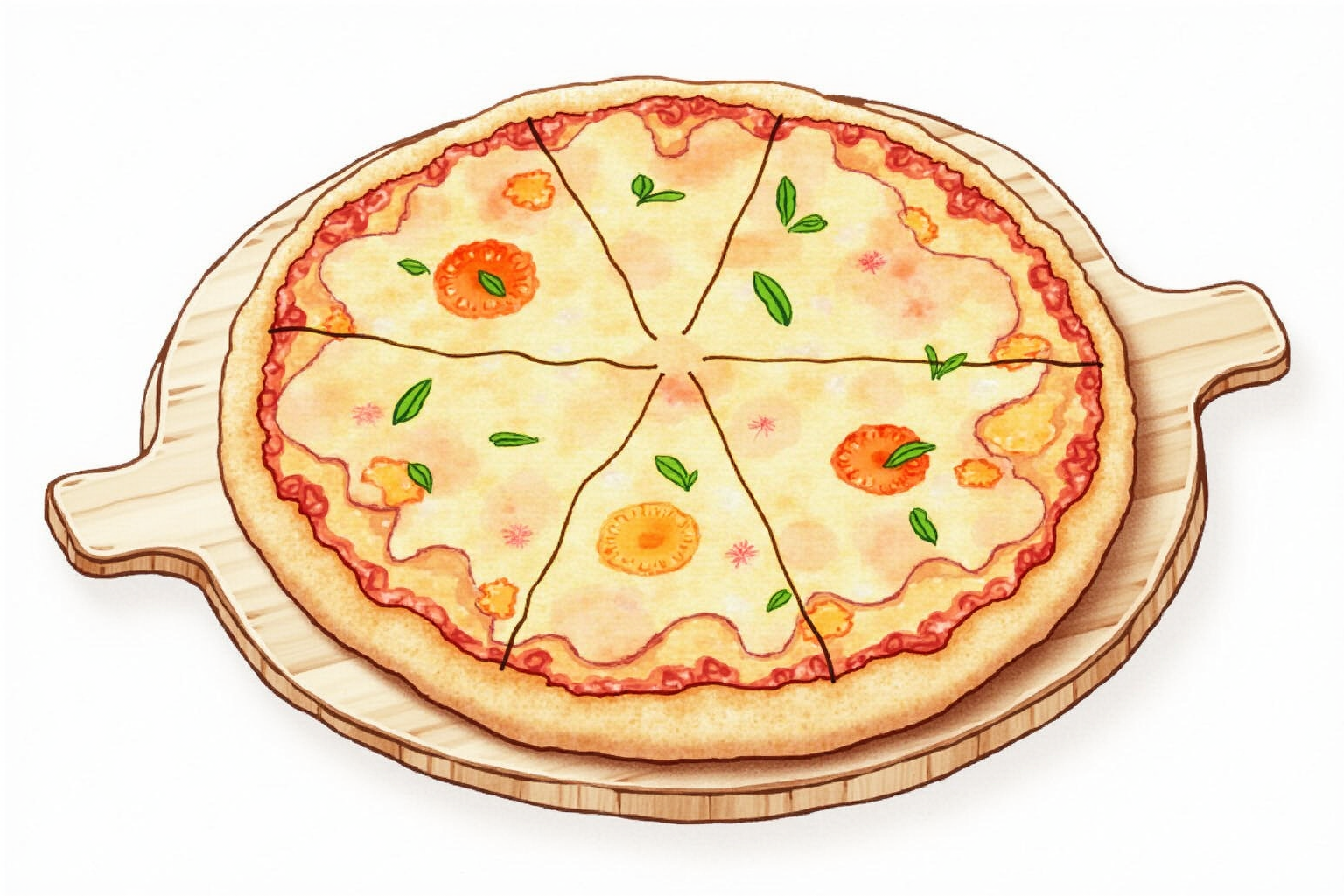
The honest answer: for occasional home pizza (1-2 times per month), a $30-50 pizza stone produces good results. The 90-second window difference between stone and steel matters less when the pizza is good enough by either standard.
For frequent home pizza (weekly or more), the steel upgrade pays back. The visible quality improvement compounds over time — better crust development means more enthusiastic guests, less frustration, and the satisfaction of producing pizza that closely matches the best pizzerias.
Cost tiers:
- Budget ($30-50): Cordierite stones from Old Stone, Pizzacraft, Heritage Pottery. Sufficient for casual home pizza.
- Mid ($60-90): Premium thick stones or budget steel plates. The transition tier.
- Premium ($100-200): Baking Steel, NerdChef, Stonework Imports. Worth the upgrade for frequent users.
Thermal shock and longevity
Pizza stones are more fragile than steel and can crack from thermal shock — sudden temperature changes.
Stone failure modes:
- Cold pizza dough hitting a 500°F stone (rare but possible)
- Moving a hot stone from oven to a cold counter
- Cleaning with cold water on a hot stone
- Dropping the stone (it can shatter on impact)
Steel advantages:
- Tolerates thermal shock without cracking
- Cannot break from drops (might dent the floor)
- Lifetime essentially unlimited with proper care
The crack risk for stone is small but real. Most home pizza bakers who use stones for years don’t have problems; some users break a stone within the first year through inattention. Steel eliminates this concern.
For stone safety: let it cool inside the oven before removing, don’t put cold ingredients directly on hot stone, and store in a way that prevents bumps.
Top picks across budgets
Old Stone Pizza Stone 16-Inch Round
Price · $35-55 — best budget pick
+ Pros
- · Heavy cordierite construction at $40 price tier
- · Round shape suits classic pizza presentation
- · Reliable brand with decade-plus history
− Cons
- · Thermal conductivity below steel — slower heat transfer
- · Cordierite material requires gentle handling to avoid cracking
Paid affiliate link. Price, availability, and ratings can change; verify details on the retailer page before buying.
Baking Steel Original 14x16-Inch
Price · $95-130 — best premium steel pick
+ Pros
- · Half-inch thick A36 steel with 14x supplied thermal mass over typical stones
- · Made in U.S. with rust-resistant pre-seasoning
- · Lifetime durability — essentially never wears out
− Cons
- · Premium price reflects U.S. manufacturing
- · Heavy at 16 lbs — requires careful lifting
Paid affiliate link. Price, availability, and ratings can change; verify details on the retailer page before buying.
NerdChef Steel Stone 3/8-Inch Thick
Price · $70-100 — best mid-range steel pick
+ Pros
- · 3/8-inch thick steel offers strong heat retention at lower price
- · Lighter than Baking Steel at 11 lbs
- · Sand-blasted finish prevents pizza sticking
− Cons
- · Slightly less thermal mass than Baking Steel's 1/2-inch
- · Brand less established than Baking Steel
Paid affiliate link. Price, availability, and ratings can change; verify details on the retailer page before buying.
The buying decision
For home pizza bakers who make pizza weekly or more, the Baking Steel Original at $95-130 is the right premium investment. The half-inch steel produces unmatched heat transfer and oven spring; the lifetime durability means it’s a one-time purchase.
For occasional home pizza (1-2 times per month), the Old Stone 16-inch round at $35-55 is the practical pick. The stone produces good pizza for most home conditions; the lower price is appropriate for the use frequency.
For frequent home pizza on a tight budget, the NerdChef Steel Stone at $70-100 splits the difference — better than any stone, lighter and cheaper than the Baking Steel.
Avoid pizza stones thinner than half-inch — they don’t have enough thermal mass to produce proper crust development. Avoid steels thinner than 1/4-inch — same problem at higher cost.
The pizza steel transformation of home baking is real. The first pizza off a hot steel produces visible quality difference from any stone; subsequent pies confirm the upgrade. For most enthusiasts, the steel pays for itself in pizza joy within a few months.