Air Fryer Food Safety for Batch Cooking: Temperatures, Spacing, and Reheating
A practical 2026 guide to safe air-fryer batch cooking: doneness temperatures, basket spacing, cooling, leftovers, and crisp reheating without guesswork.
Safety fact check included
CookNest Daily articles surface source counts, timing assumptions, kitchen-test notes, and food-safety caveats. This label means editorial safety review, not a substitute for local food-code or medical guidance.
Air fryers are excellent at browning small batches, but batch cooking adds two risks: crowding food so it cooks unevenly, and letting cooked food sit in the danger zone while the next batch runs. This guide uses current USDA, FDA, and CDC food-safety basics as of May 2026 and turns them into an air-fryer workflow you can actually follow on a weeknight.
The safe workflow in one table
| Step | What to do | Why it matters |
|---|---|---|
| Preheat if your model requires it | Follow the manual for the specific basket size | Reduces first-batch variability |
| Load a single layer | Leave gaps around protein pieces | Hot air needs surface contact |
| Verify doneness | Use an instant-read thermometer in the thickest part | Color is not a reliable safety test |
| Hold briefly, then cool | Do not leave batches out while cooking for hours | Limits danger-zone time |
| Reheat leftovers thoroughly | Reheat until steaming hot and check dense items | Crispness is not the same as safe heat |
Internal temperature beats cook-time charts
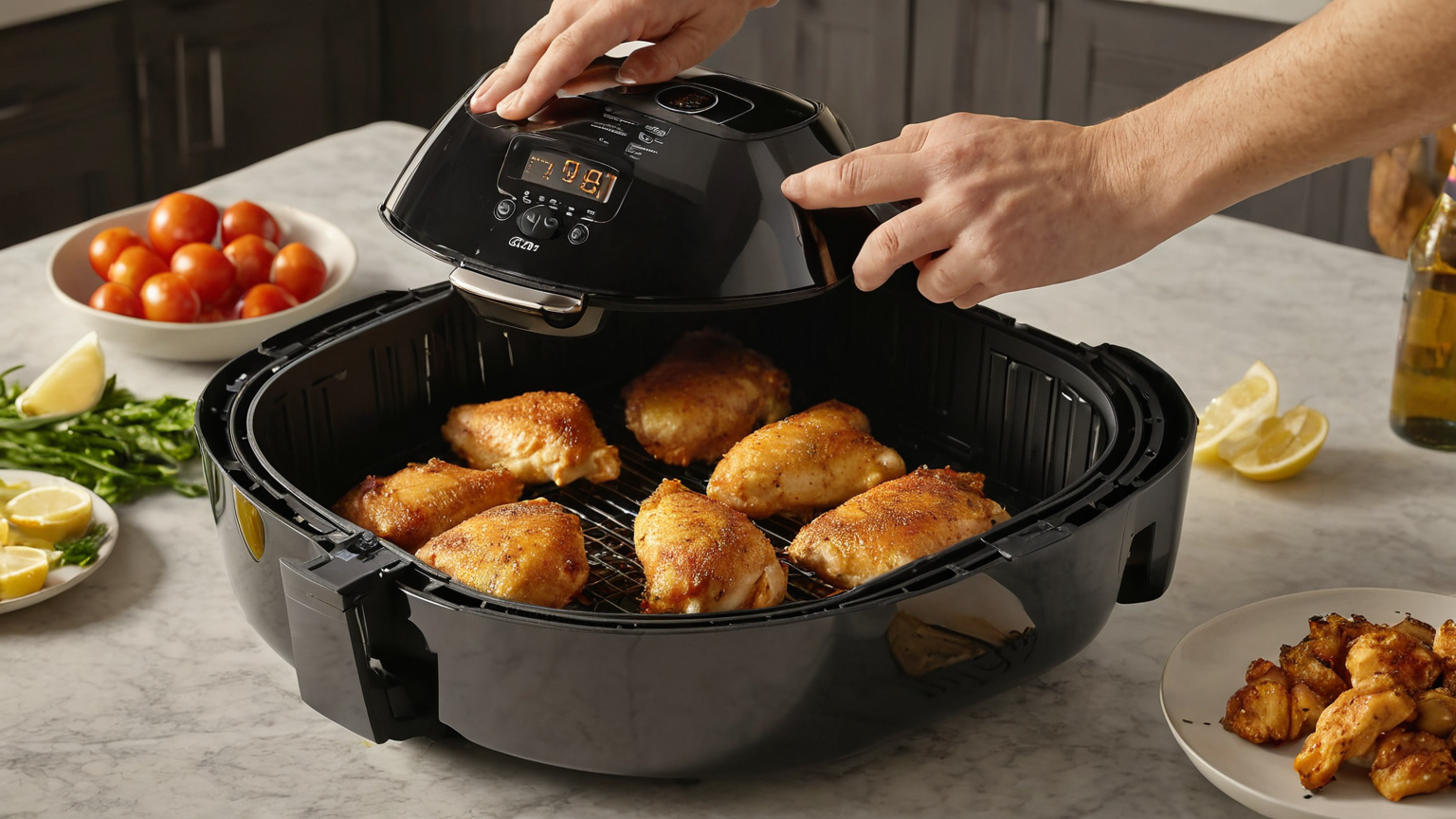
Air-fryer recipes often promise exact minutes, but real doneness changes with basket size, food thickness, starting temperature, and how much moisture is on the surface. Use recipe times as estimates, then verify with a thermometer. USDA safe-temperature guidance remains the reference for poultry, ground meats, seafood, and leftovers.
Batch cooking without danger-zone drift
Cooked food should not sit around while you run three more loads. Use shallow containers, vent steam briefly, then refrigerate. If you need to keep food hot for immediate serving, use an oven or warming setup that actually holds food hot; a turned-off air fryer basket is not a food warmer.
Crisp reheating checklist
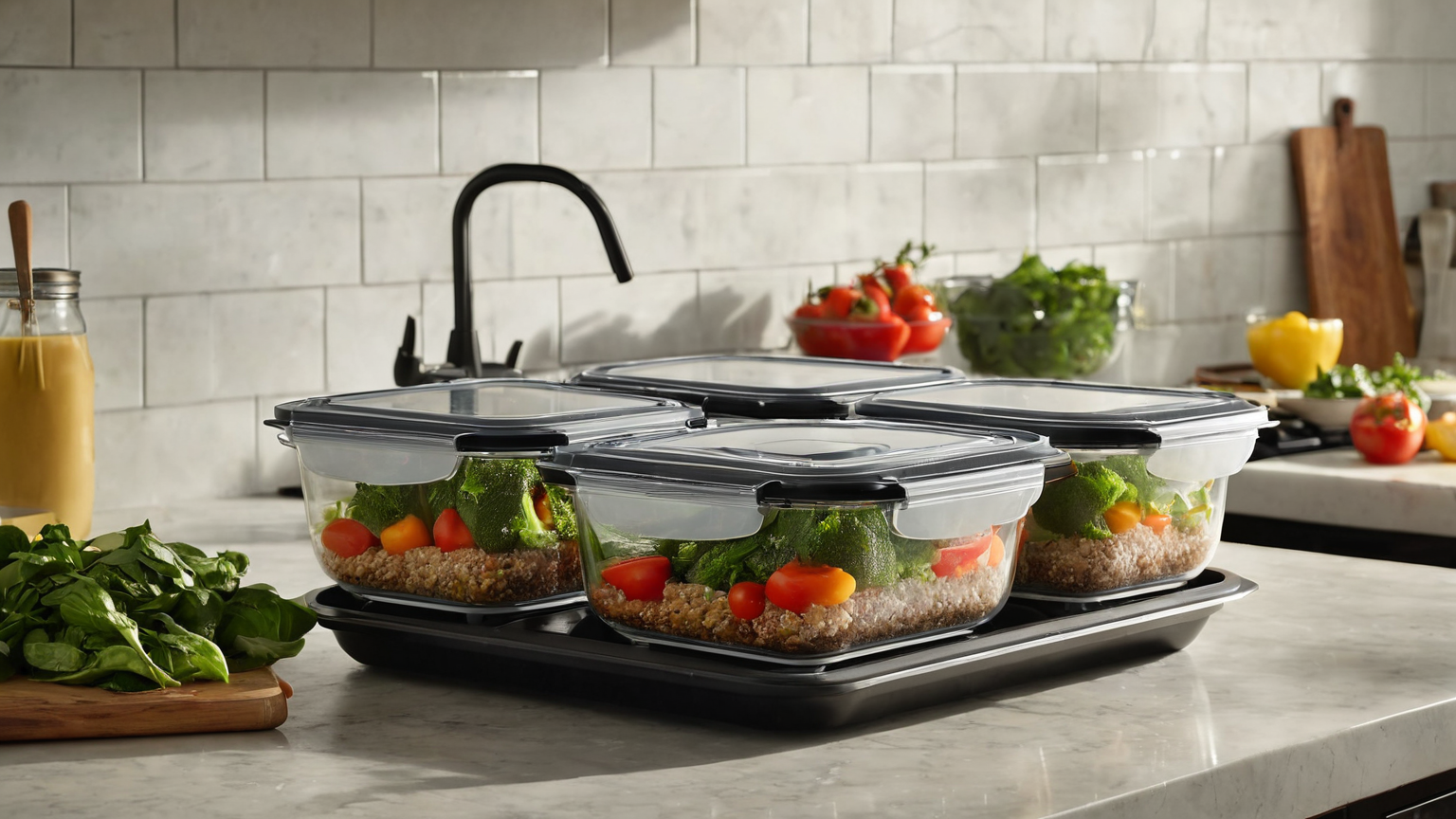
- Reheat smaller portions instead of a packed basket.
- Separate sauced items from dry/crisp items when possible.
- Shake or turn halfway through reheating.
- Check dense pieces, not just edges.
- Add sauce after reheating if it burns or smokes.
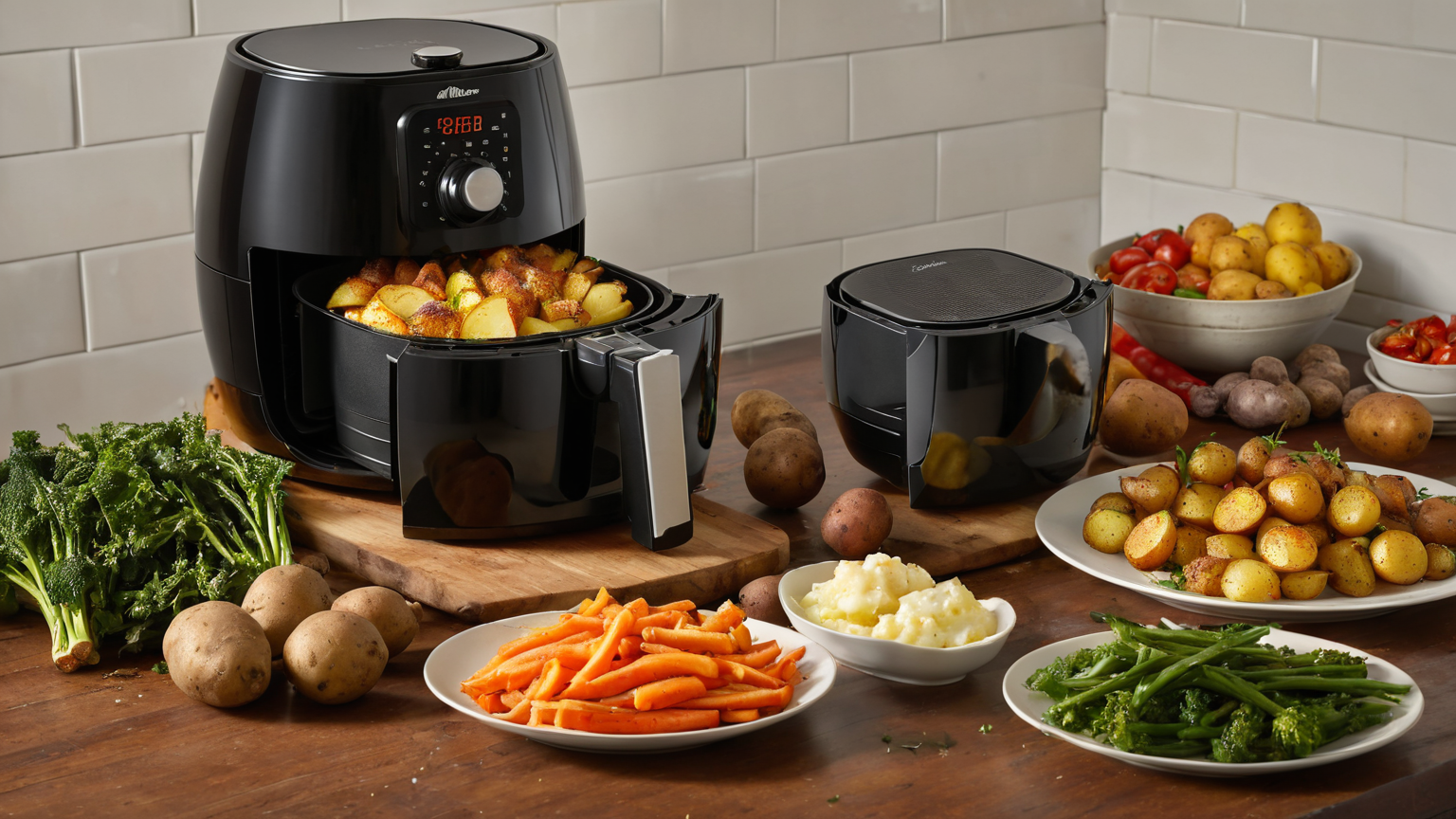
Cross-contamination still applies
The air fryer does not erase raw-meat handling mistakes. Keep raw poultry tools away from cooked food, wash hands after loading the basket, and avoid placing cooked pieces back on a raw-prep plate. If you use parchment liners, make sure they are weighted by food and rated for your appliance; loose liners can lift toward the heating element.
Troubleshooting
| Problem | Likely cause | Fix |
|---|---|---|
| Burned outside, underdone center | Pieces too thick or heat too high | Lower temperature and finish to thermometer reading |
| Soggy batch | Basket crowded or food wet | Dry surfaces and cook in smaller loads |
| Smoke | Fat dripping or sugary sauce | Clean basket, lower heat, sauce later |
| Uneven browning | No shake/turn step | Turn pieces and rotate dense items |
Bottom line
An air fryer is a small convection oven, not a safety shortcut. Cook in a single layer, verify temperatures, cool leftovers promptly, and reheat with enough heat—not just enough crunch.