№ 01Cooking
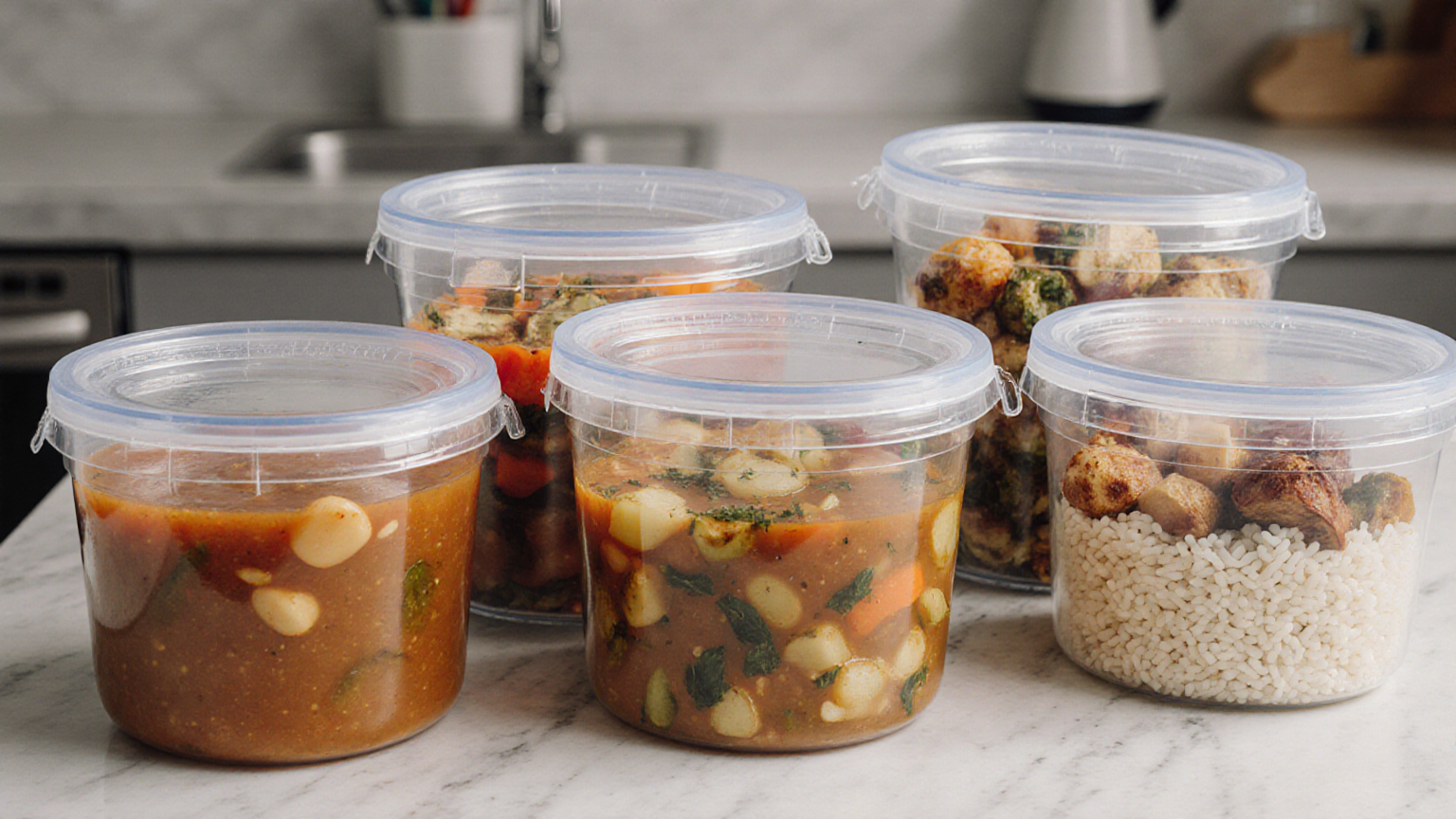
Freezer Inventory and Leftover Labeling Rotation Plan
A food-safety-first freezer system for labeling leftovers, rotating containers, avoiding mystery meals, and planning safer weeknight cooking during 2026.
Read →
Recipe & Safety Library
53 guides · expert vetted cards
Filter CookNest Daily by category and sort by freshness. Every card keeps the expert-vetted mark visible for cooking, cookware, and food-safety guidance.
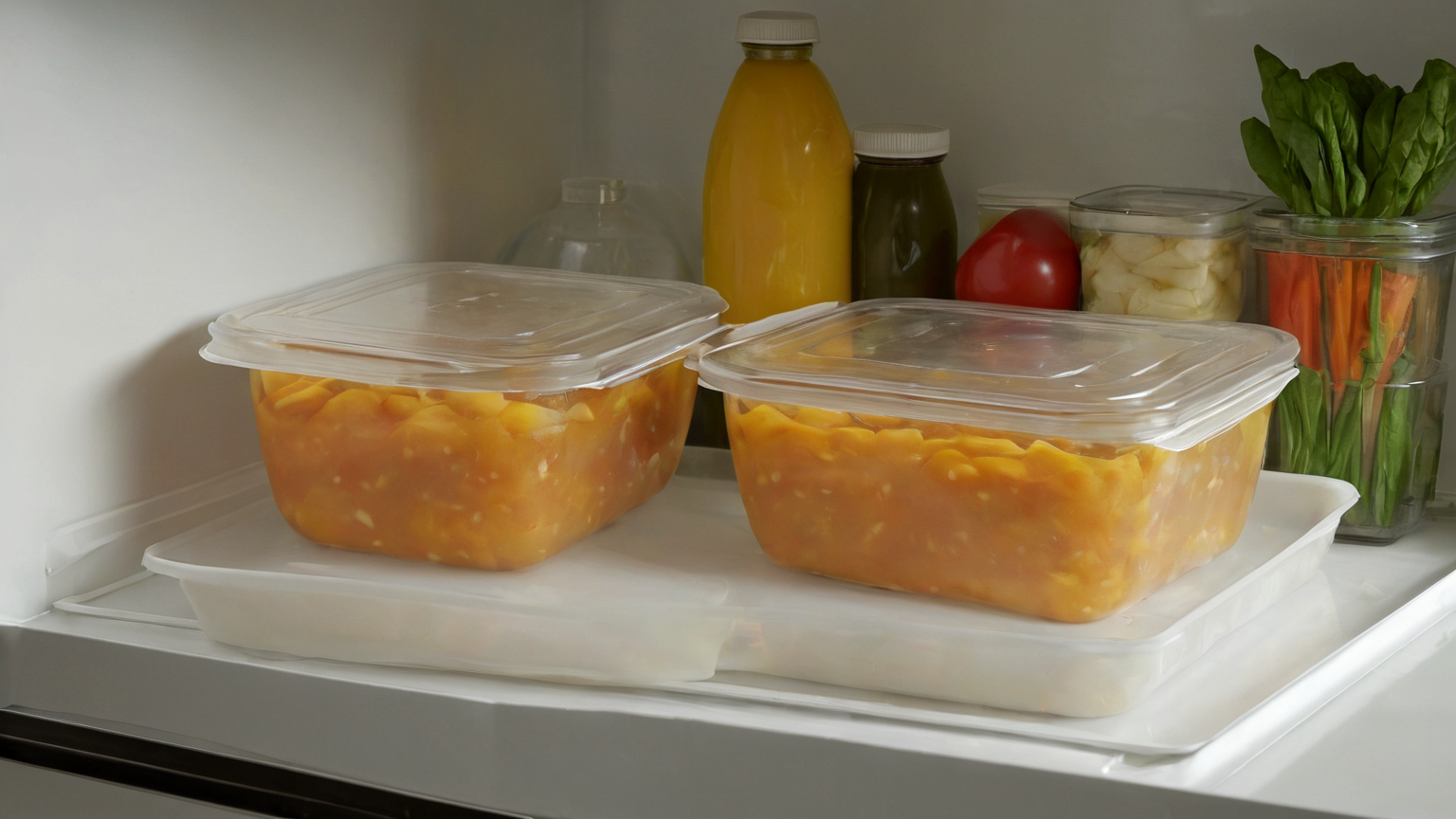
A food-safety-first freezer system for labeling leftovers, rotating containers, avoiding mystery meals, and planning safer weeknight cooking during 2026.
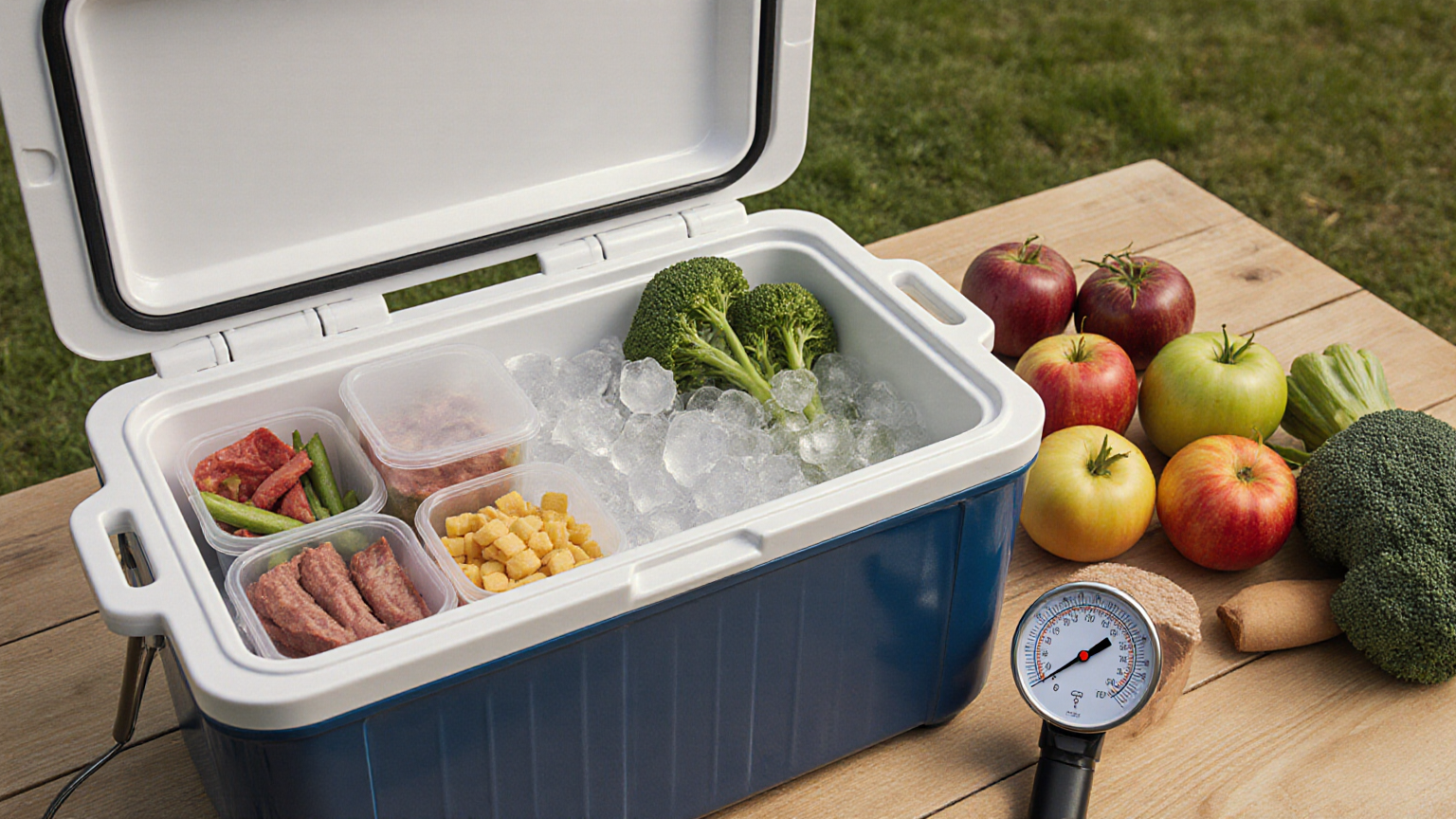
A food-safety-first picnic cooler plan for packing, chilling, serving, leftovers, and the two-hour or one-hour heat rule.
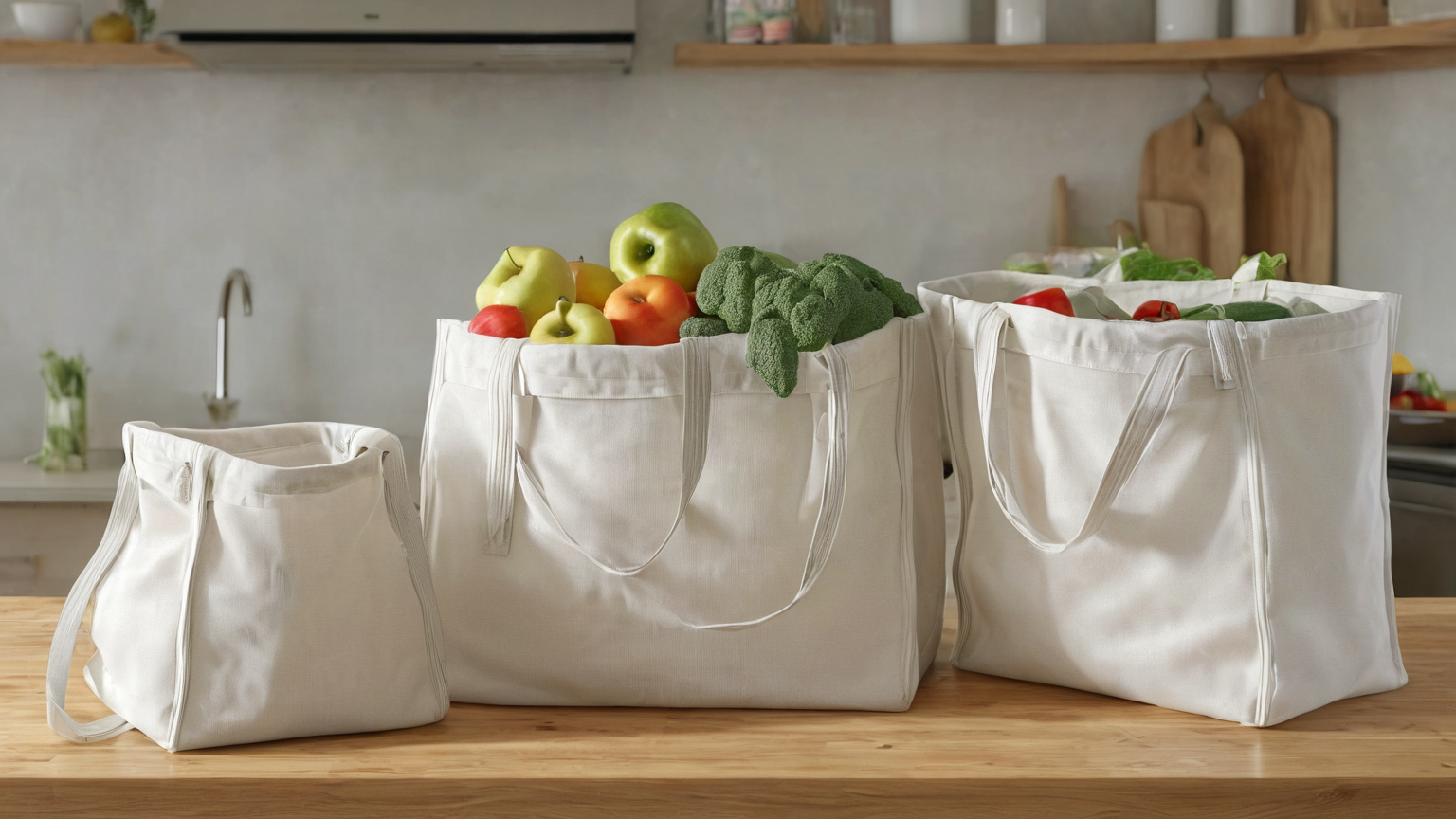
A practical food-safety routine for separating raw meat, produce, chilled foods, and washable reusable grocery bags from cart to kitchen.
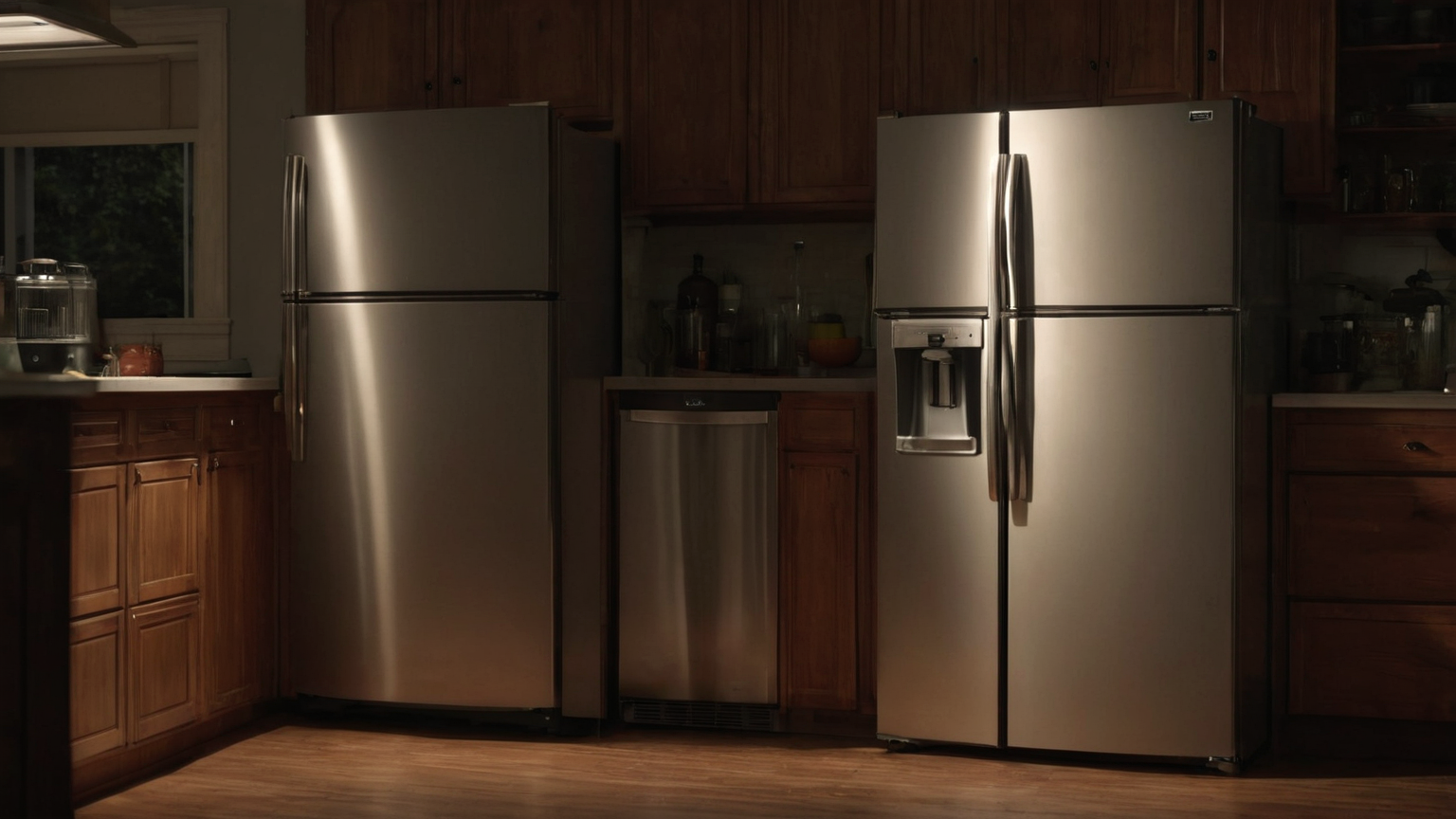
A home-kitchen food-safety plan for deciding what to keep, what to discard, and how to prepare before and after a refrigerator power outage.
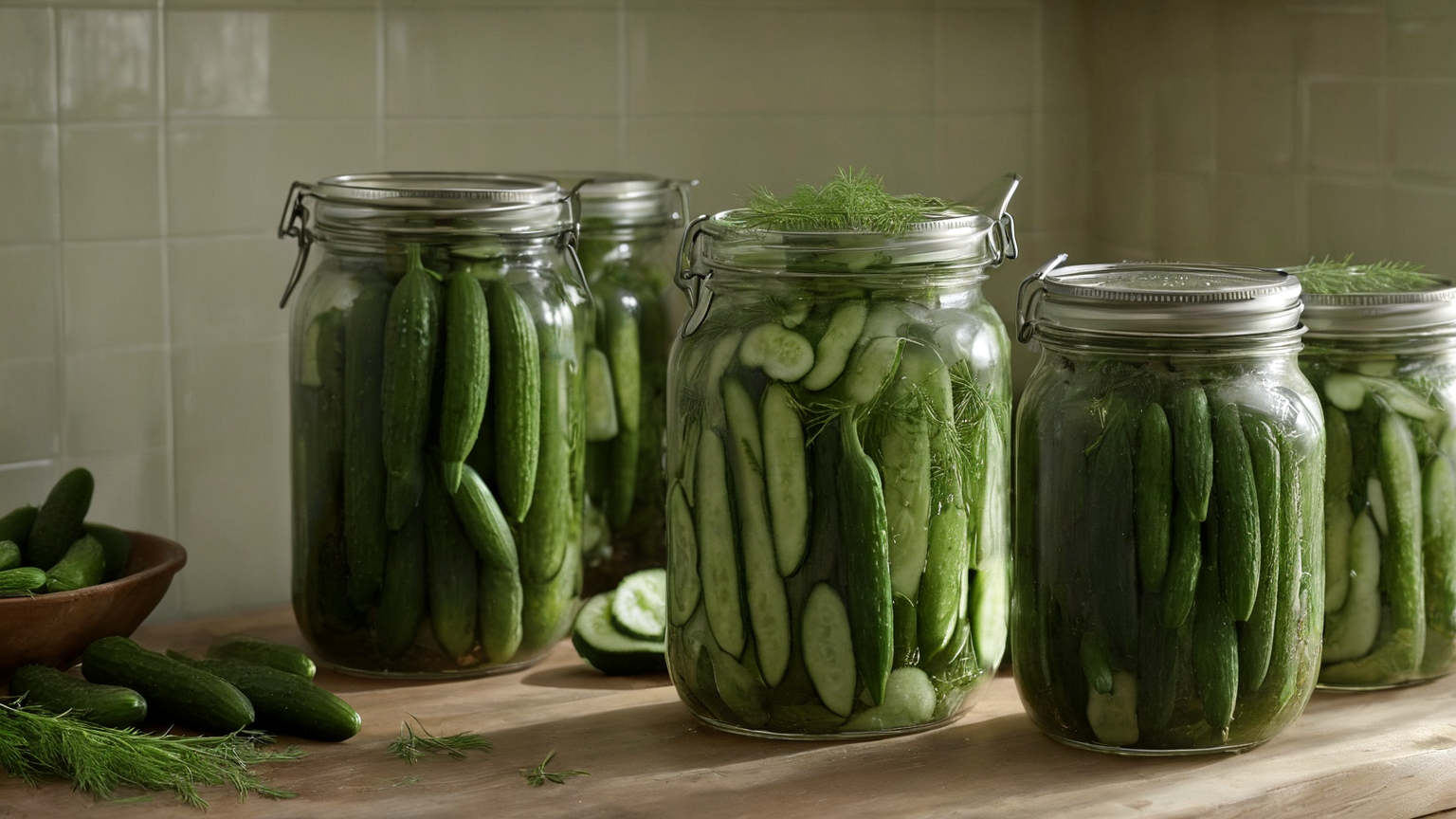
A practical home-kitchen guide for safer fermented pickle prep: jar cleanliness, brine strength, temperature, spoilage signs, and when to discard.
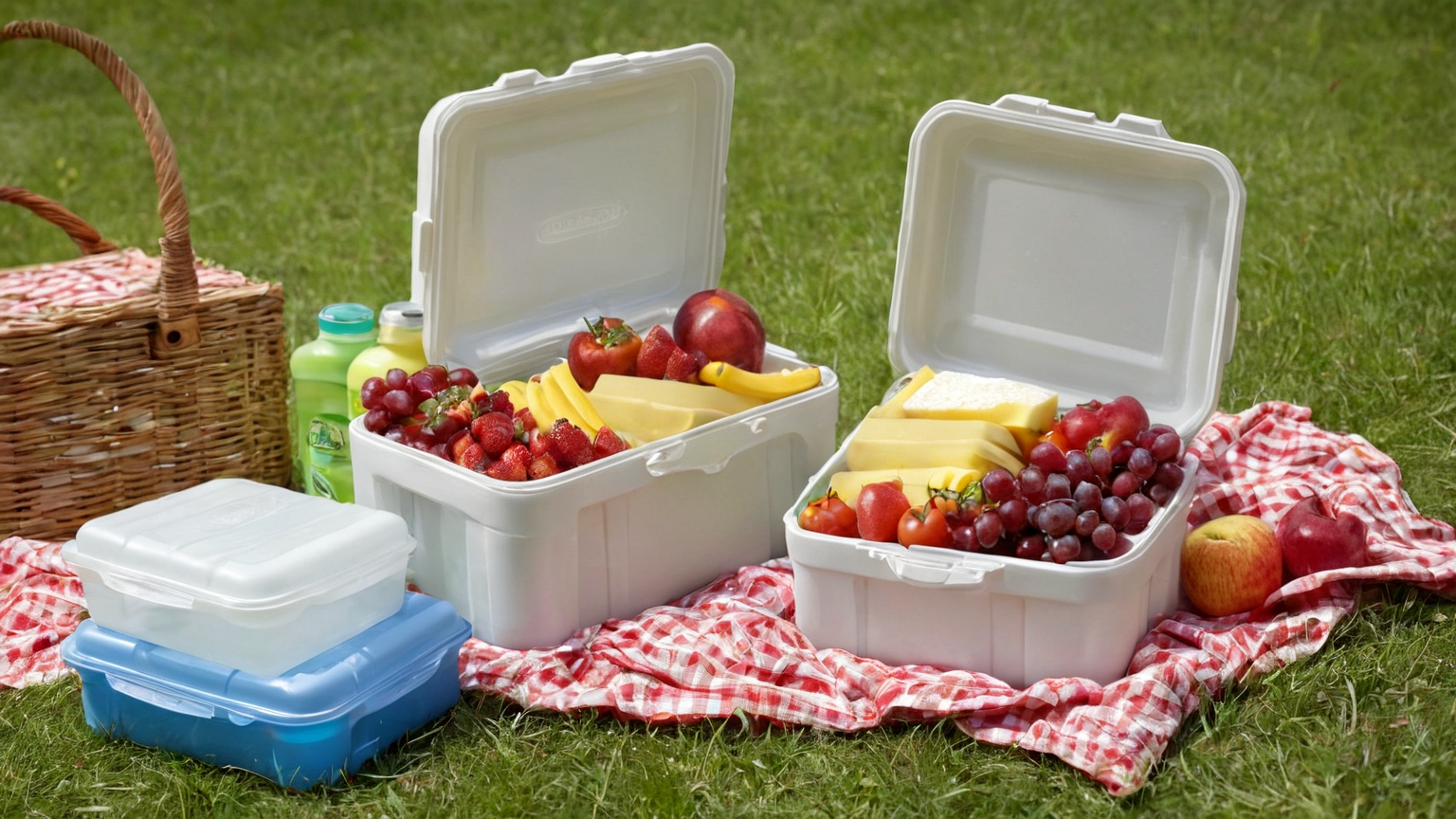
A summer food-safety routine for packing coolers, separating raw and ready-to-eat foods, serving outdoors, and deciding what leftovers can come home.
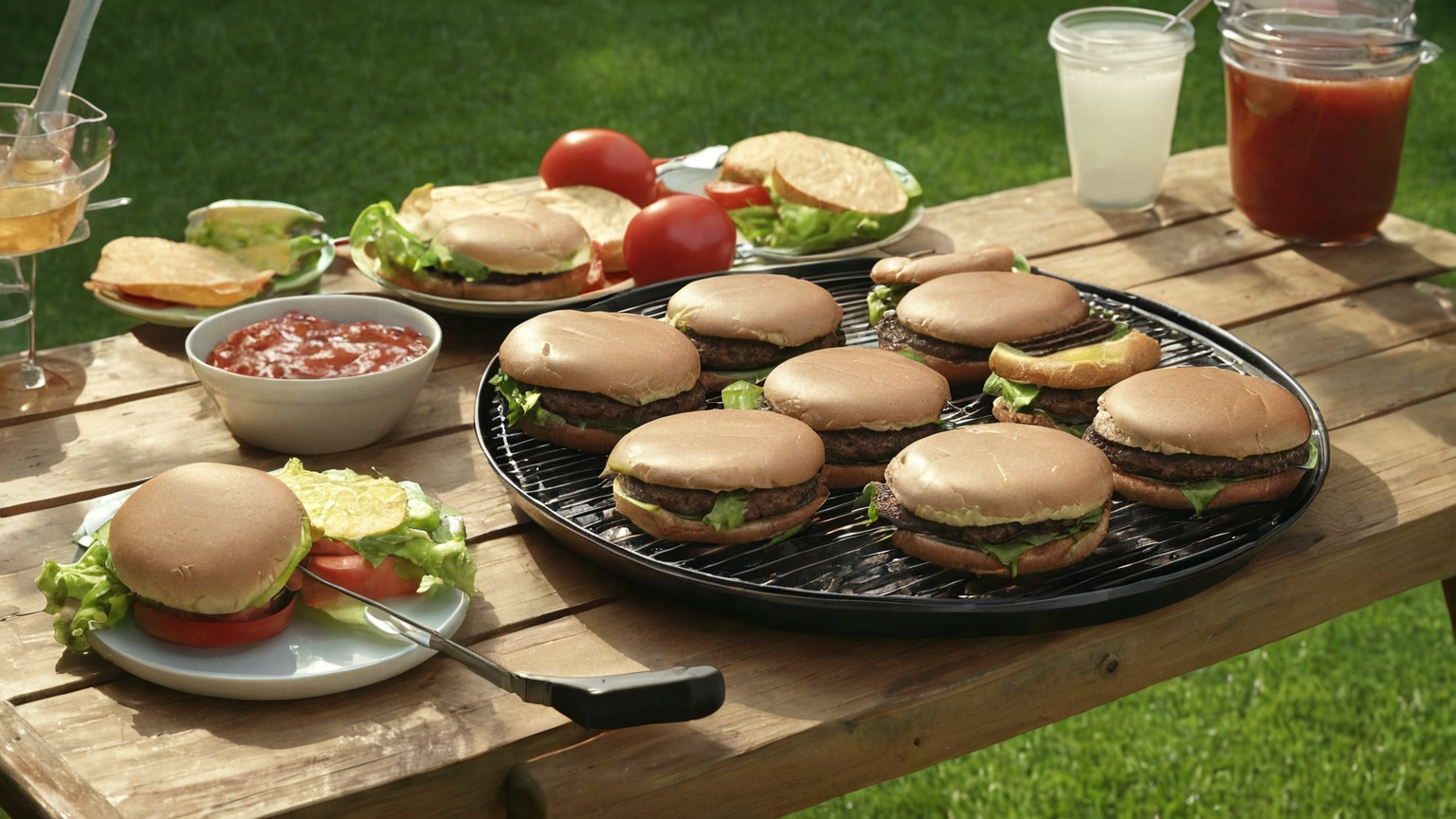
A summer food-safety routine for grilling burgers, cooling leftovers, reheating safely, and avoiding cross-contamination at cookouts.
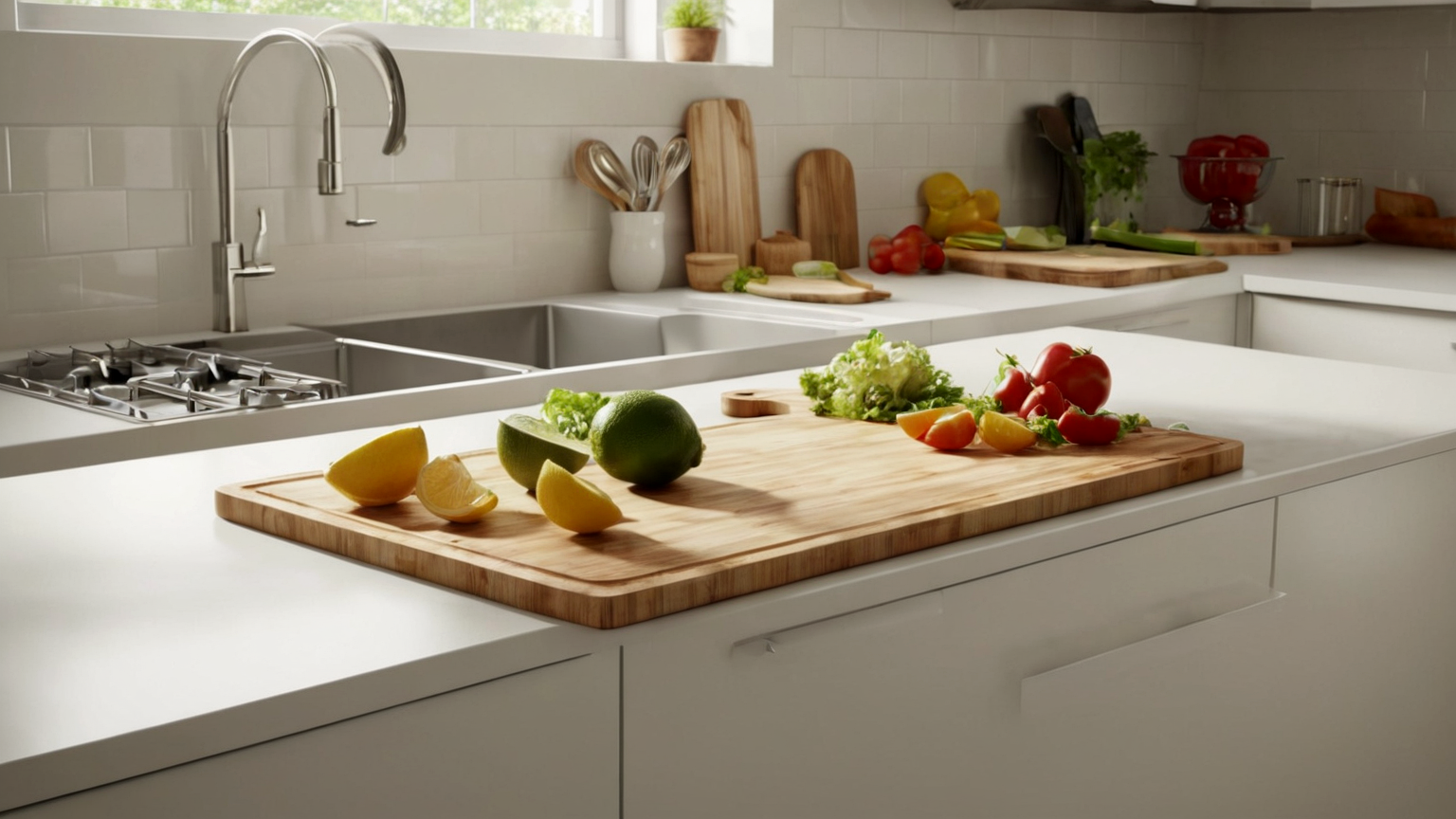
A practical kitchen routine for deciding when dishwasher sanitize cycles help, when hand-cleaning is enough, and how to avoid cutting-board cross-contamination.
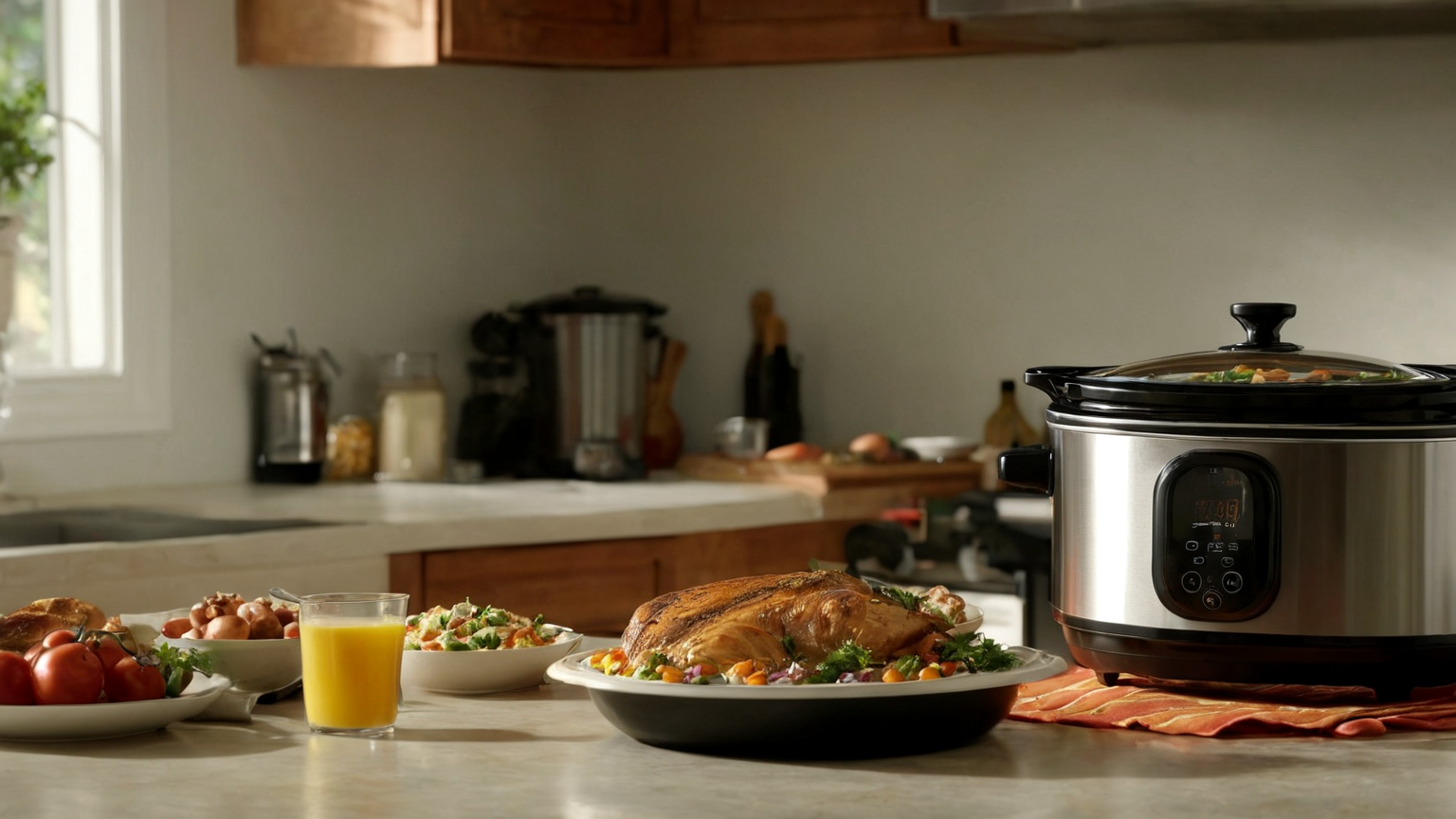
A practical food-safety plan for cooking, transporting, holding, serving, cooling, and reheating slow-cooker potluck foods.
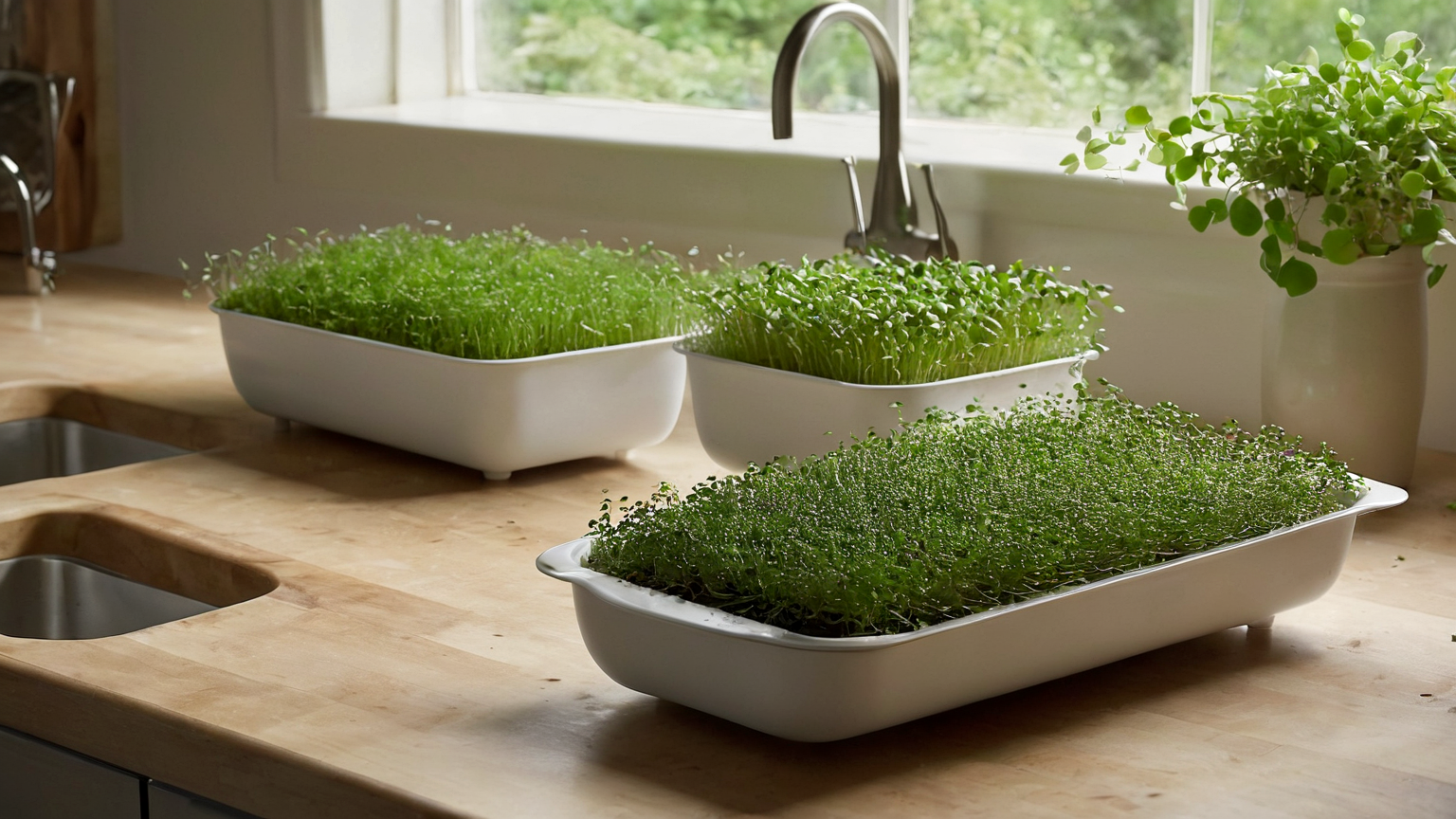
A practical home-kitchen safety plan for sprouts and microgreens: buying, rinsing, chilling, separating, cooking when appropriate, and serving higher-risk eaters.
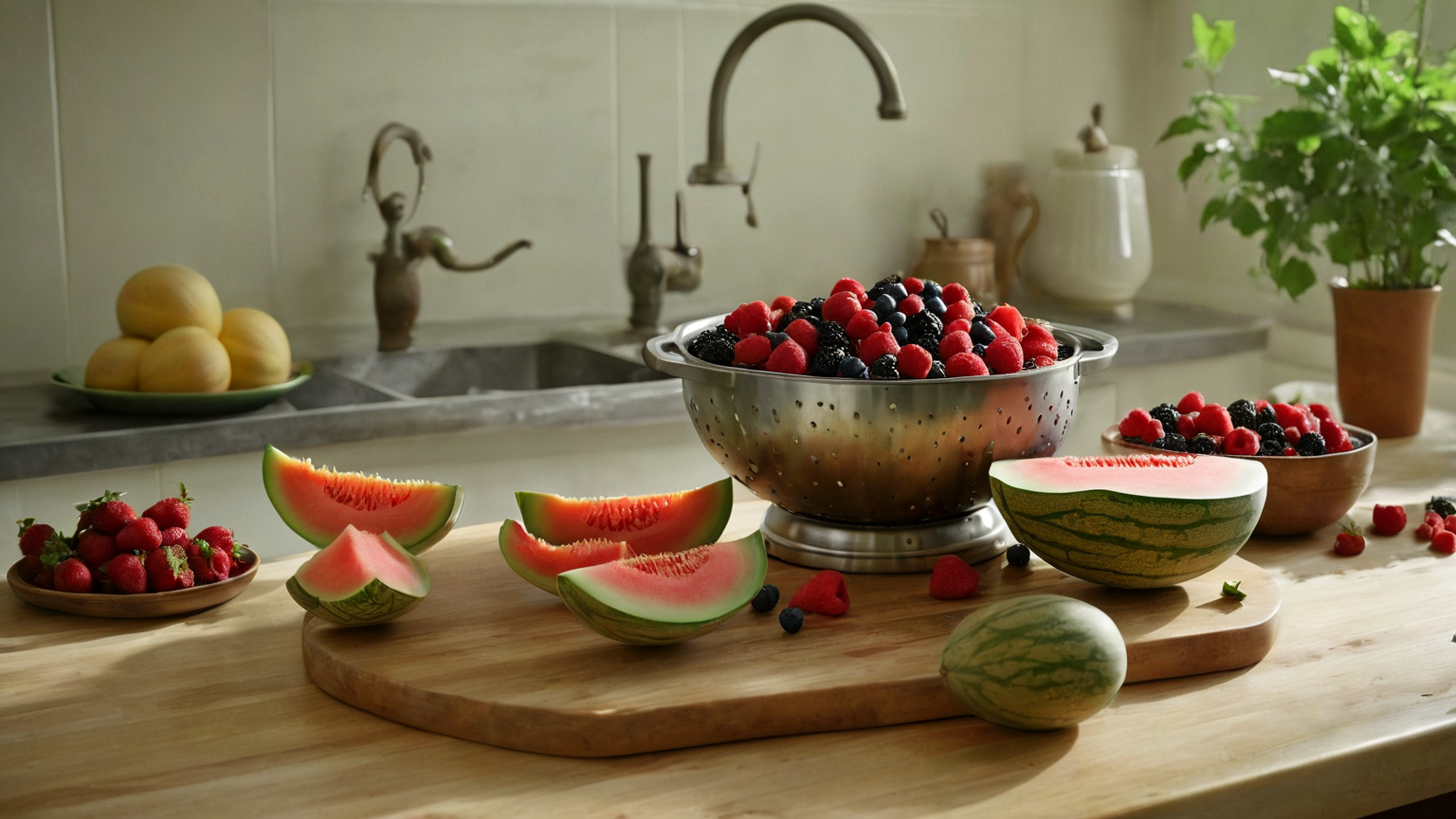
A summer food-safety routine for washing, cutting, chilling, serving, and discarding cut melon and berries without cross-contamination.
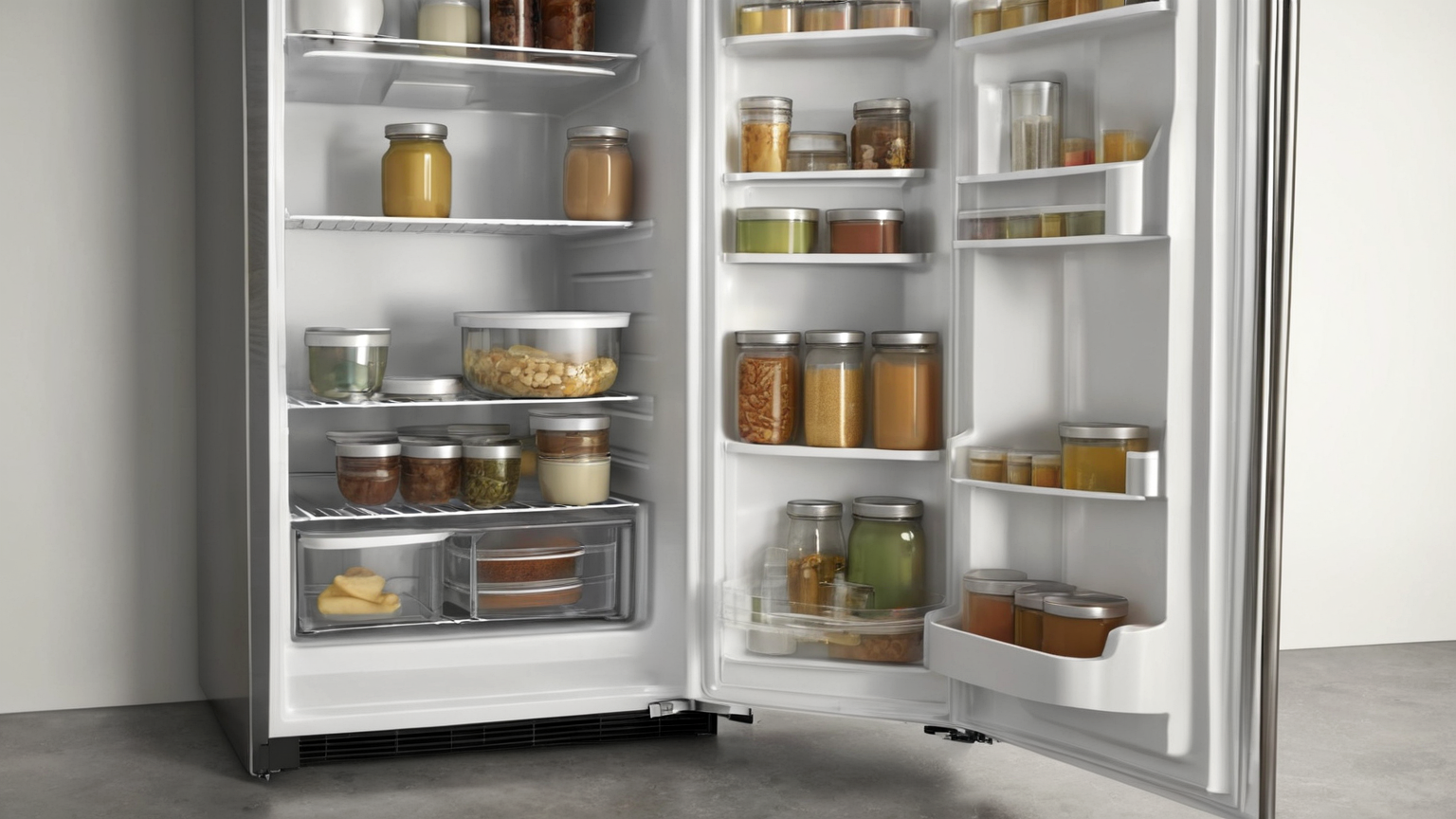
A practical 2026 guide to deciding what belongs in the refrigerator door, what needs colder shelves, and how to handle condiments during summer meal prep.
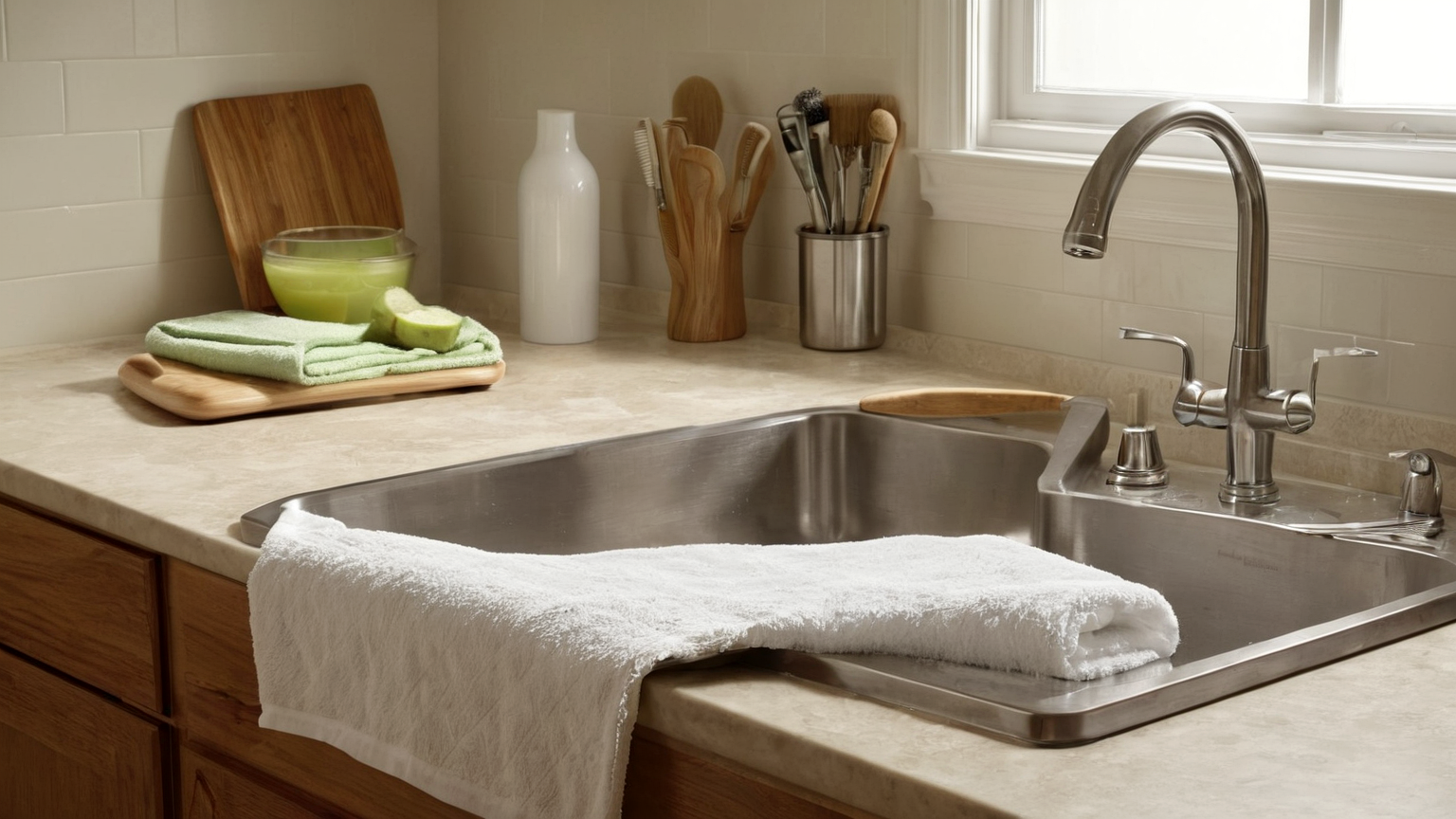
A food-safety routine for cleaning and sanitizing cutting boards after raw meat or poultry without spreading germs to produce, sinks, towels, or ready-to-eat food.
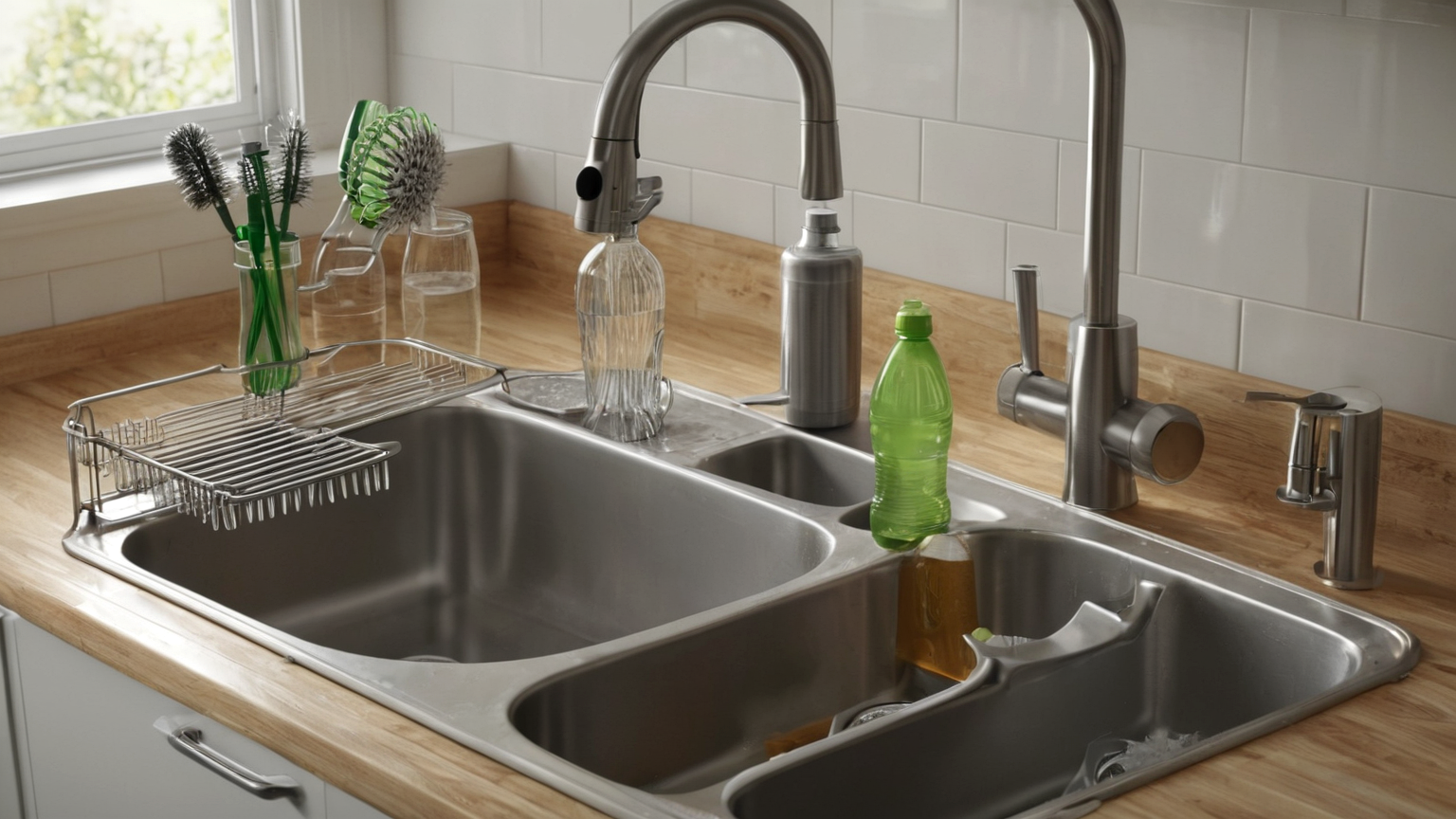
A practical food-safety routine for cleaning reusable water bottles, caps, straws, gaskets, and gym or car bottles during hot weather.
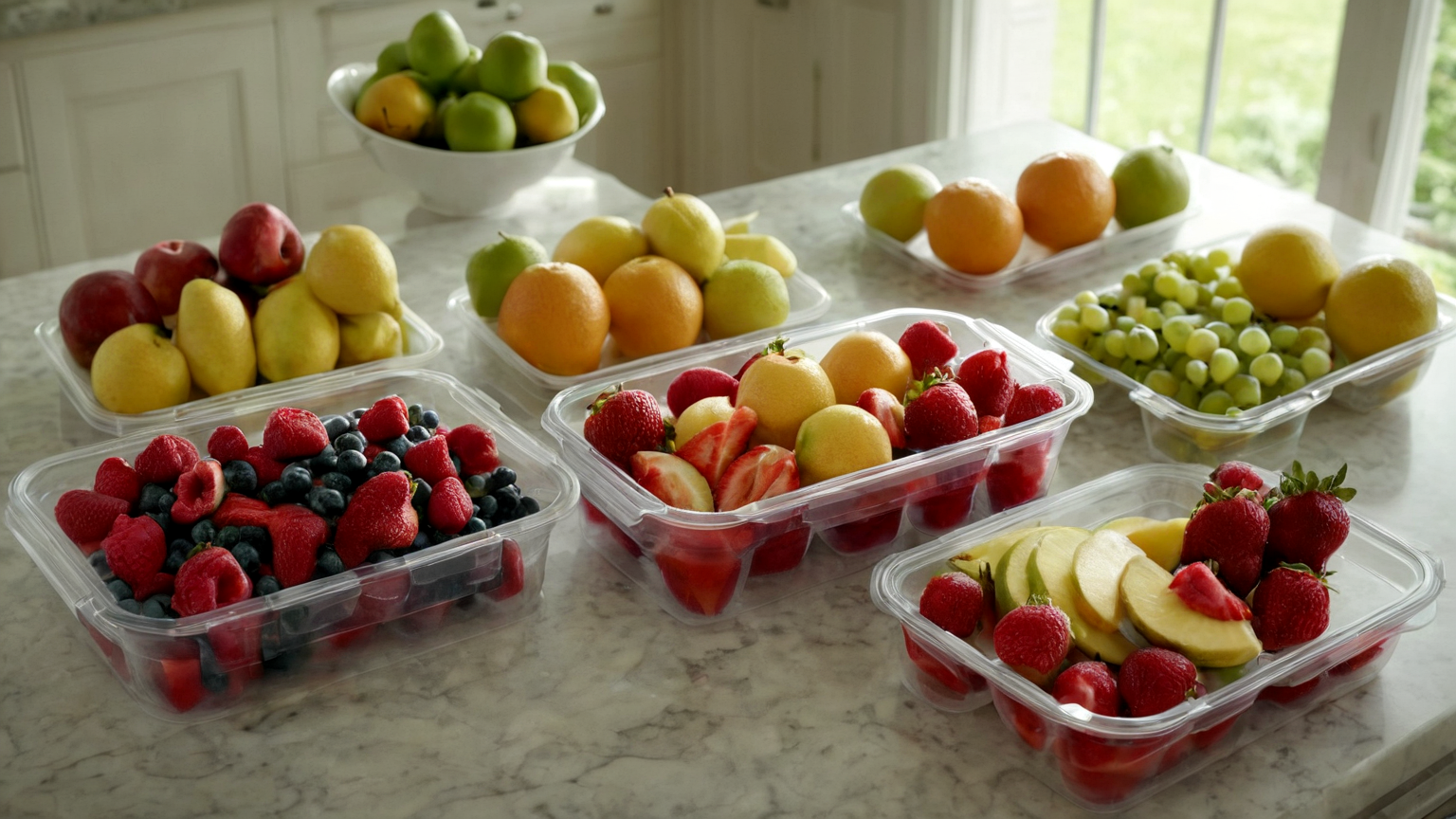
A household food-safety plan for no-cook meals, deli foods, cut produce, cold holding, cooler packing, and leftovers during hot weather.
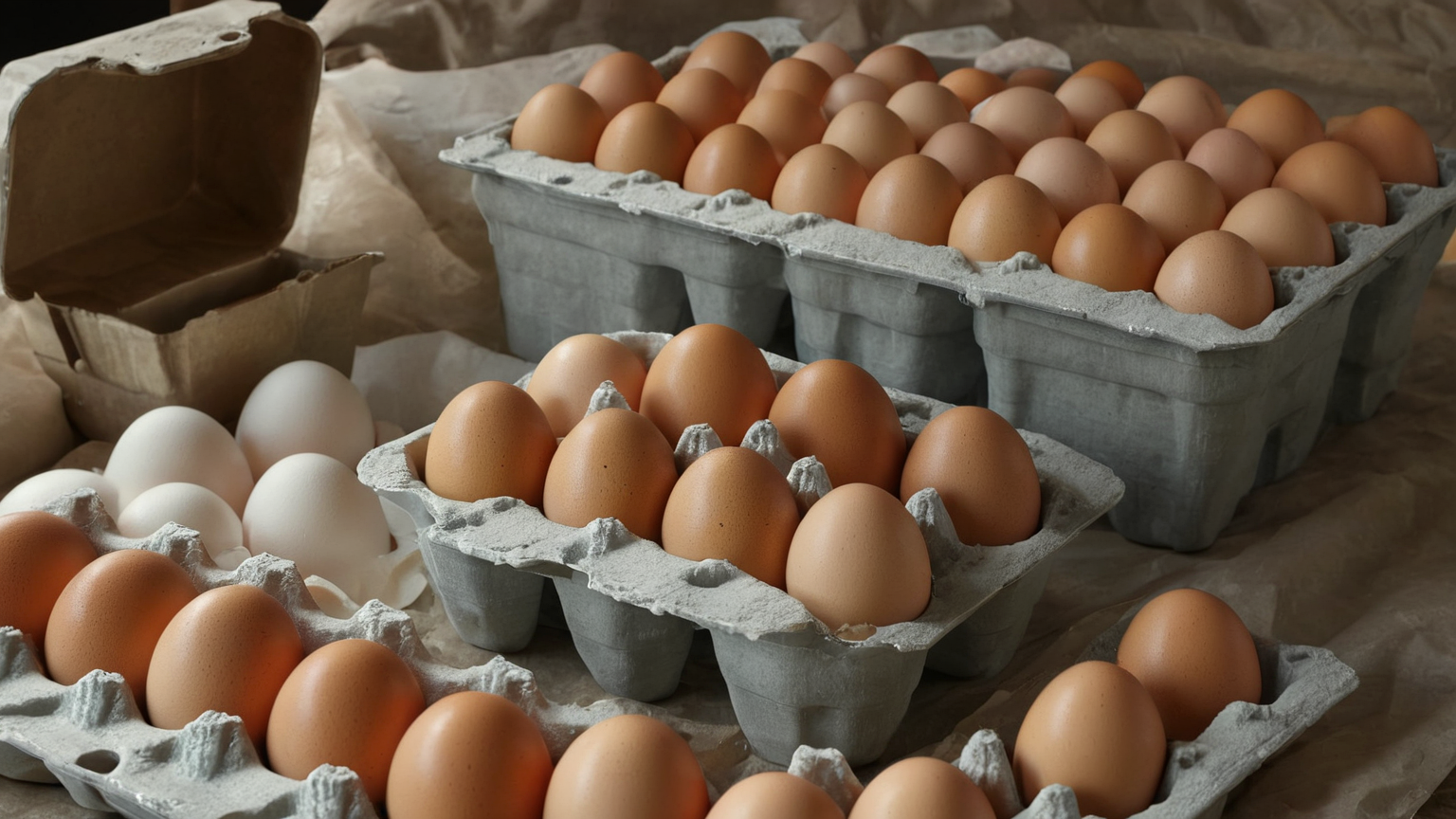
A food-safety plan for buying eggs at farmers markets, keeping them cold, transporting them home, storing them, and deciding when to discard.
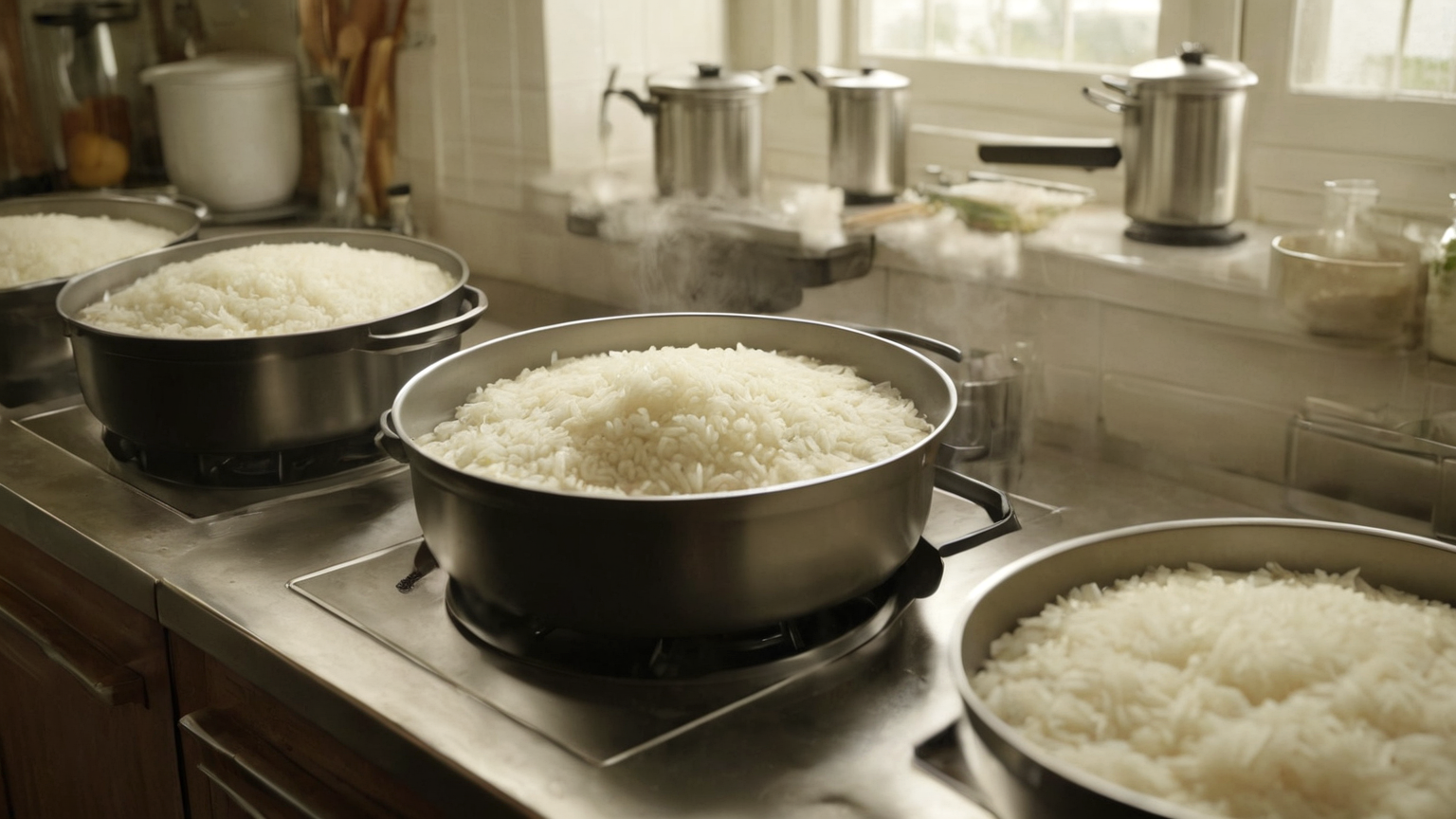
A practical routine for cooling, storing, reheating, and discarding leftover rice without relying on smell or guesswork.
A household food-safety routine for marinating poultry, separating tools, avoiding sink splash, cooking safely, and handling leftovers.
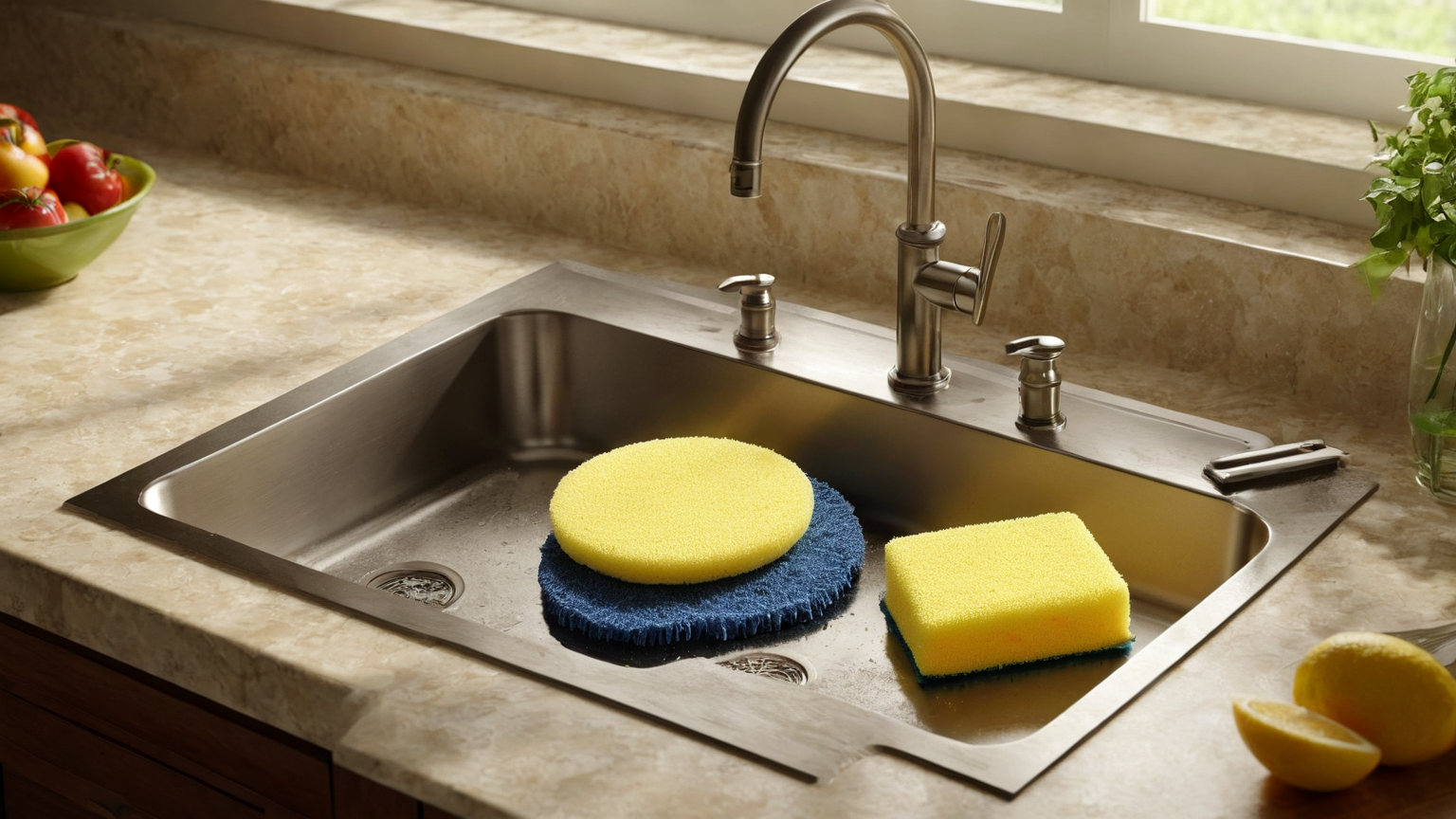
A practical routine for reducing cross-contamination from sponges, dishcloths, sink areas, cutting boards, produce prep, and leftovers.
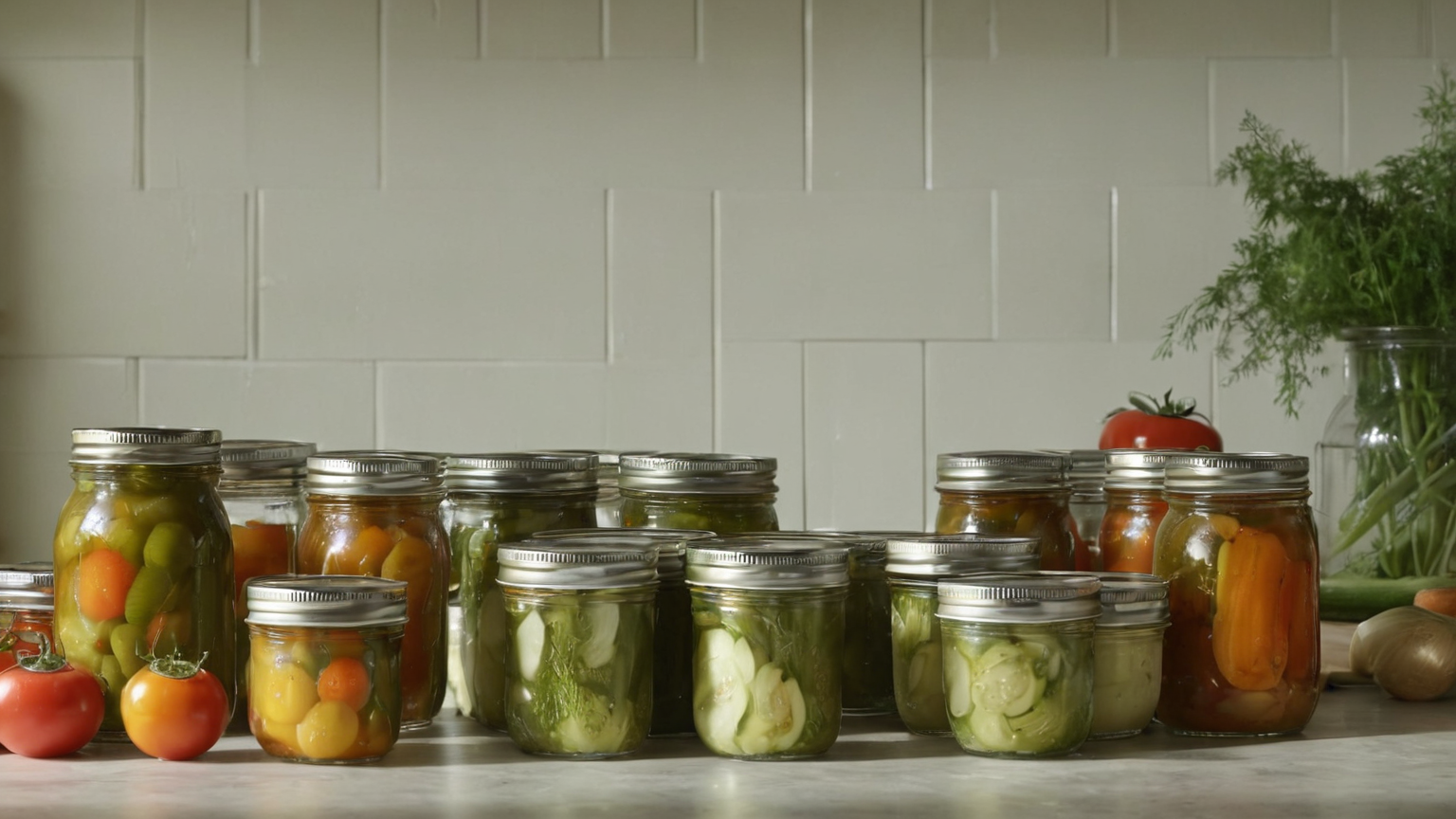
A 2026 home-canning safety checklist for tested recipes, jar prep, pressure canning, altitude adjustments, seals, storage, and botulism risk.
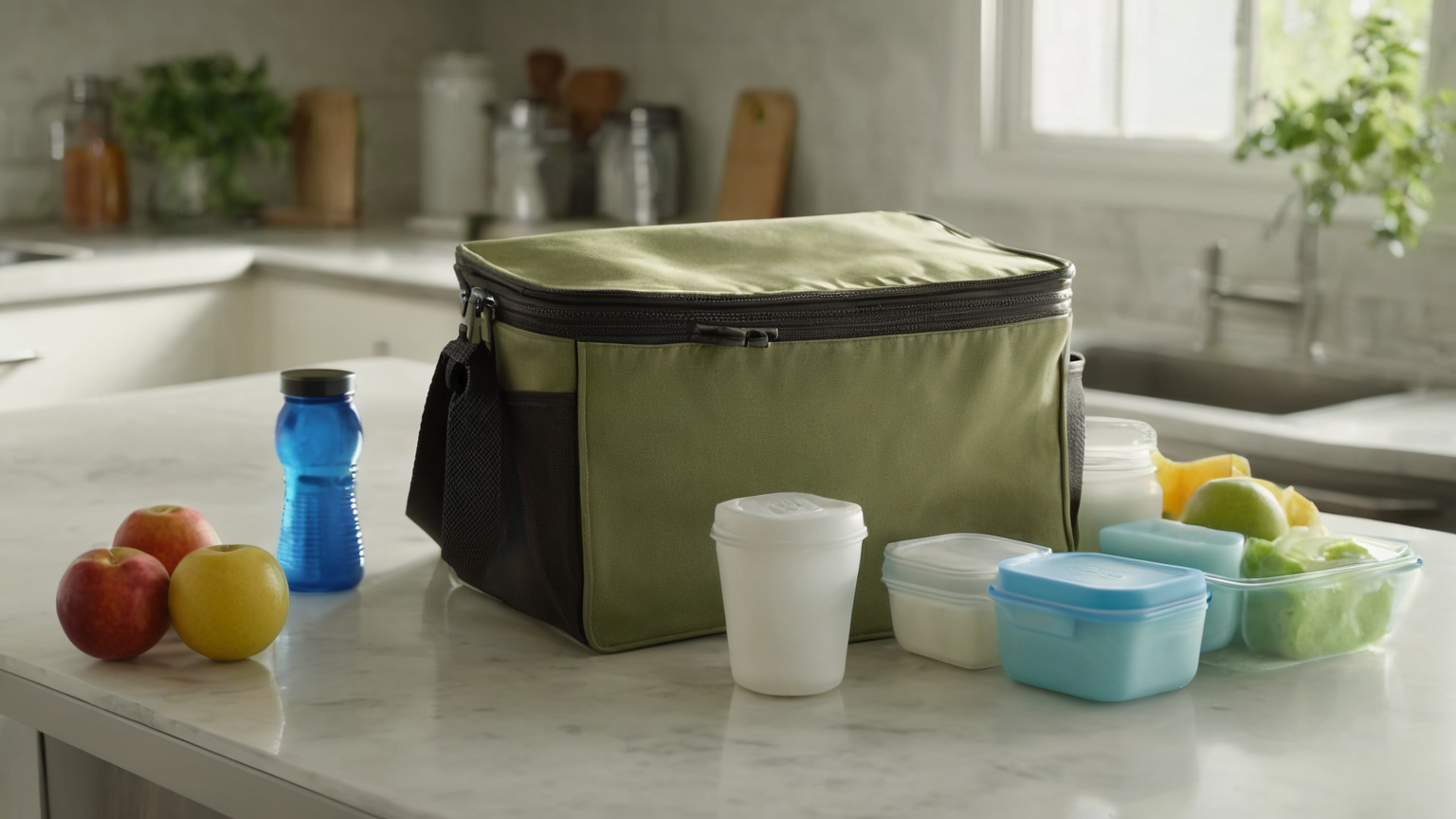
A 2026 practical guide for packed lunches: cold packs, commute timing, office fridges, leftovers, high-risk foods, and discard rules.
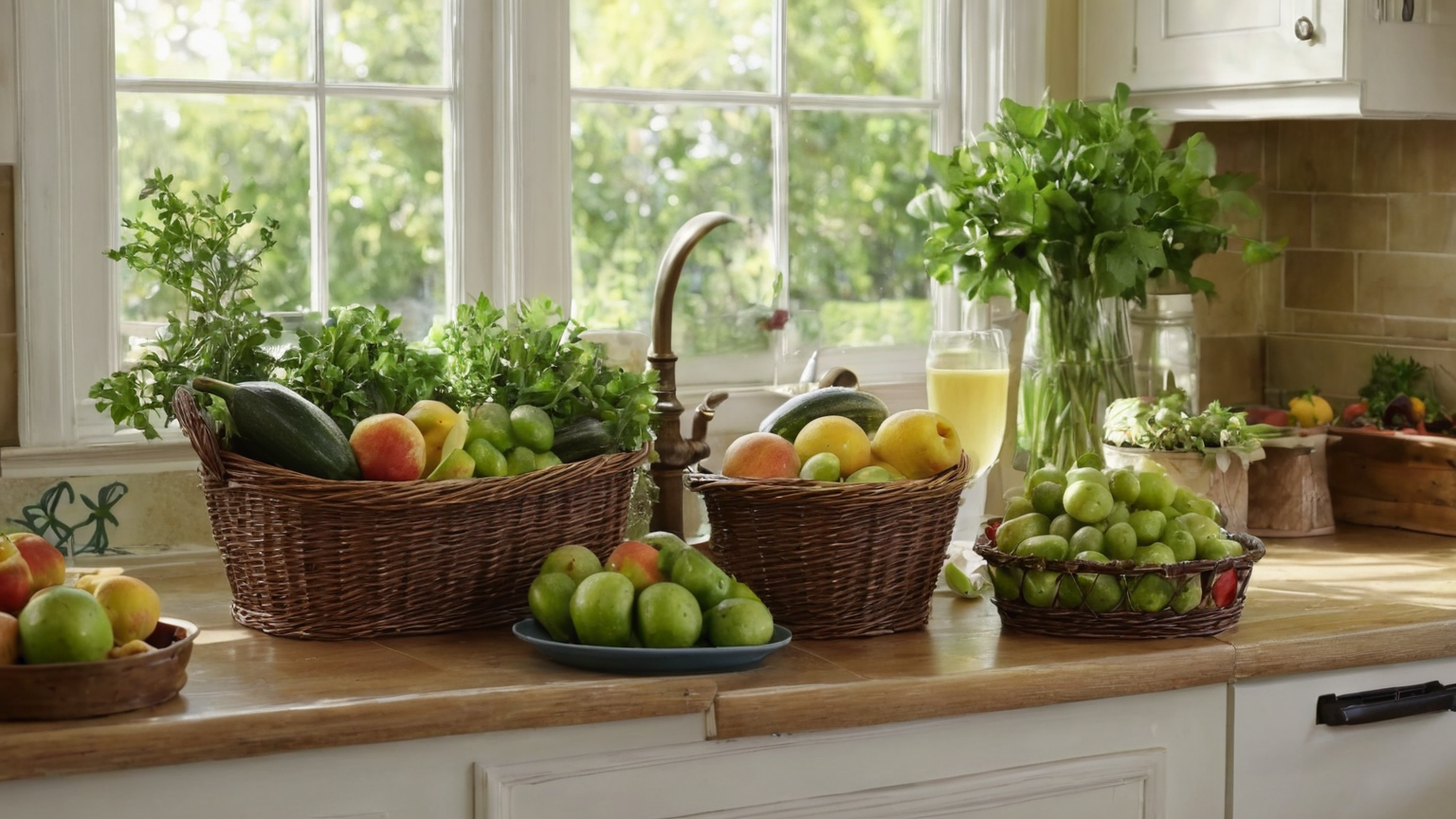
A practical 2026 kitchen guide for buying, washing, separating, storing, and using fresh produce safely.
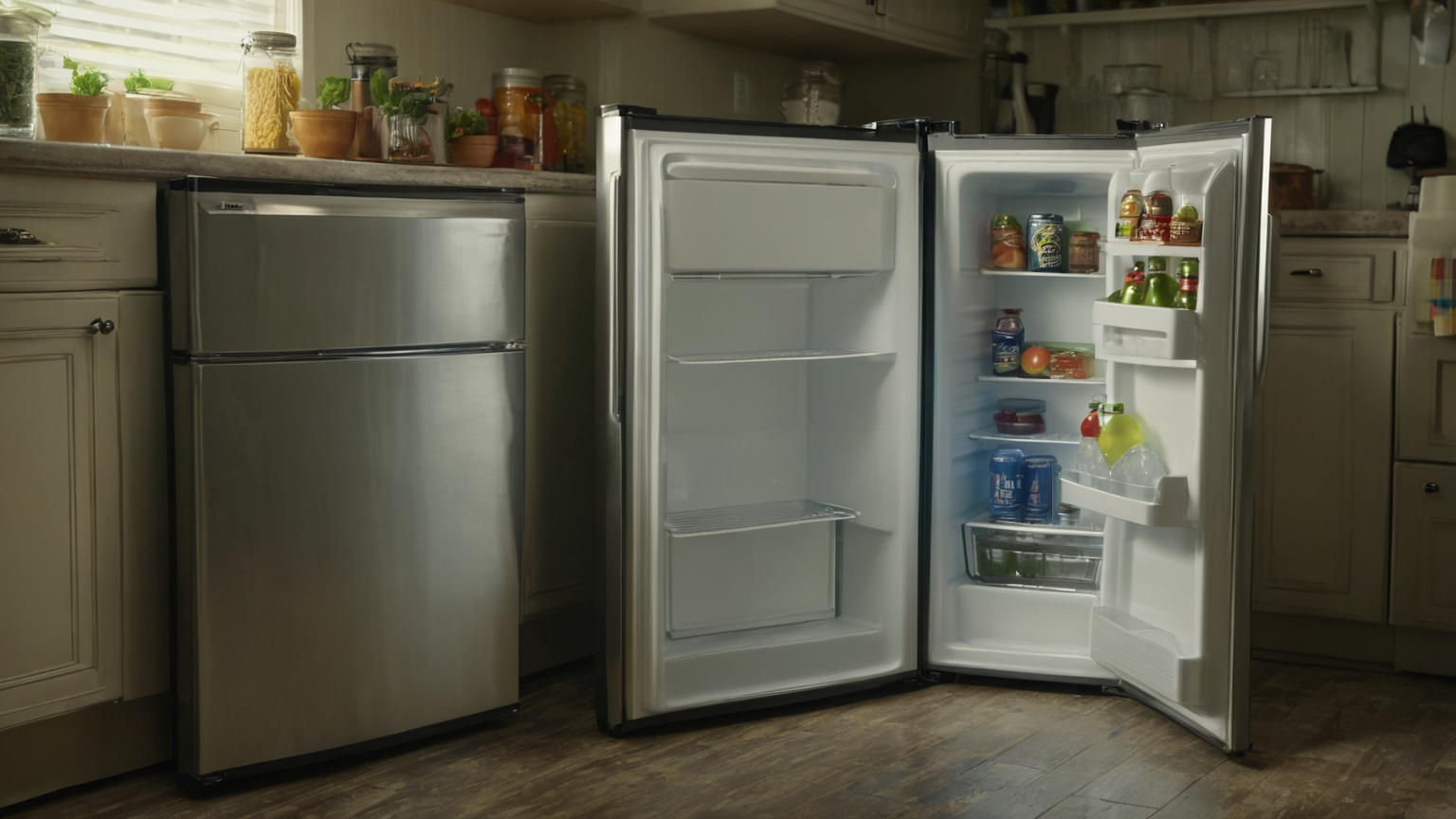
A 2026 kitchen checklist for keeping food safe before, during, and after a power outage.
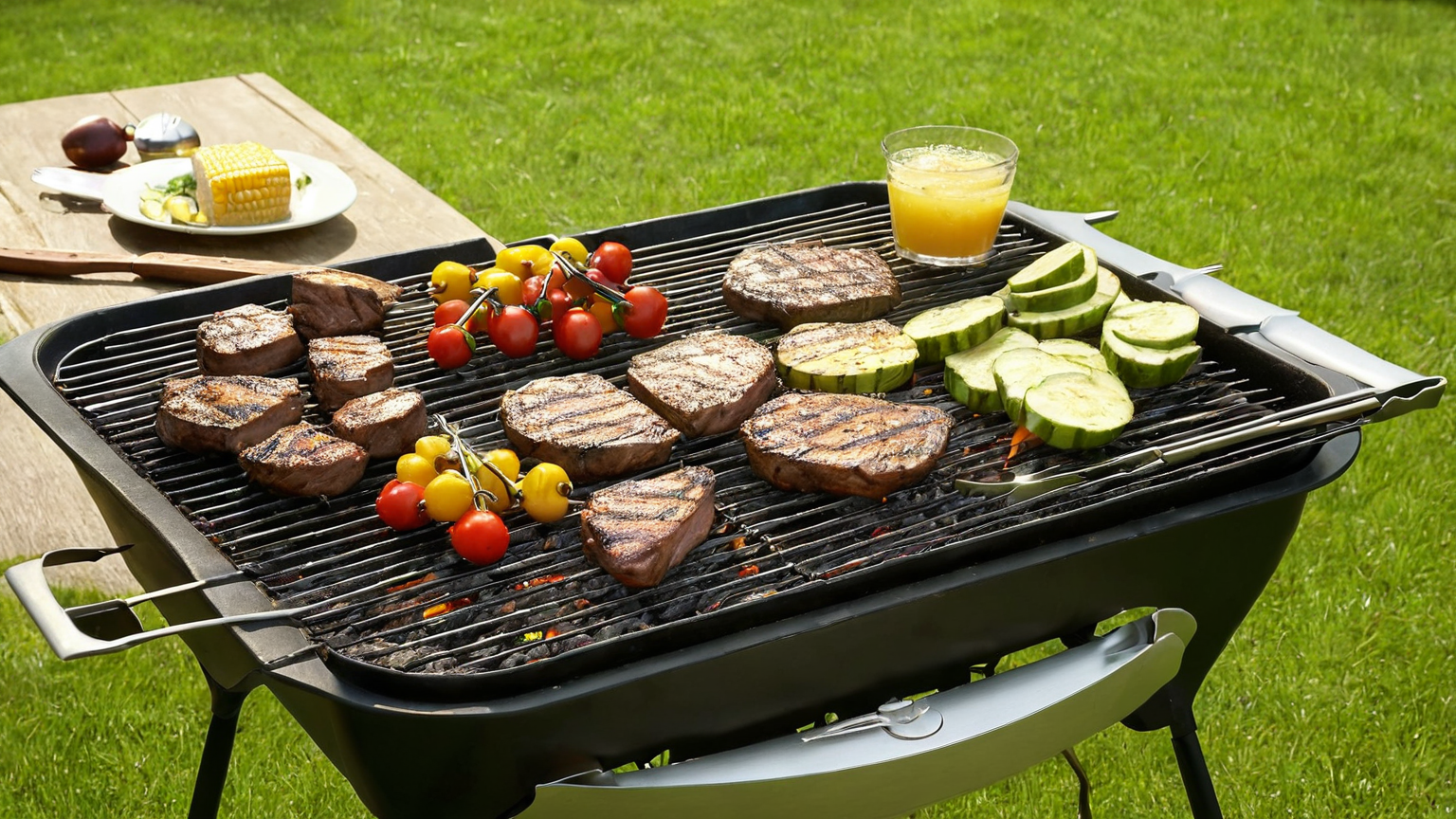
A 2026 cookout safety routine for raw meat separation, grilling temperatures, serving time, leftovers, and cleanup.