No-Cook Summer Meal Food Safety Heat Plan
A household food-safety plan for no-cook meals, deli foods, cut produce, cold holding, cooler packing, and leftovers during hot weather.
Safety fact check included
CookNest Daily articles surface source counts, timing assumptions, kitchen-test notes, and food-safety caveats. This label means editorial safety review, not a substitute for local food-code or medical guidance.
No-cook meals sound simple because the stove stays off, but hot weather shifts the risk to cold holding, clean utensils, cut produce, deli foods, dairy, seafood, leftovers, and how long the food sits on the table. This guide was checked on 2026-06-13 against USDA FSIS, FDA, CDC, and FoodSafety.gov resources. It is household guidance, not restaurant HACCP. Follow current recalls, product labels, local health guidance, and stricter advice for infants, older adults, pregnancy, immunocompromised people, and anyone with symptoms of foodborne illness.
No-cook meal cold-holding choices
| Situation | Safer choice | Mistake to avoid |
|---|---|---|
| Food will travel before serving | Pre-chill it and pack with cold sources | Leaving deli food in a warm car during errands |
| Cut fruit or salad is on the menu | Keep it cold and serve small refills | Treating cut produce like shelf-stable snacks |
| Outdoor table stays open for grazing | Use timed refills from a cooler | Leaving the full batch out for hours |
| Leftovers are uncertain | Discard when time/temperature history is unclear | Saving food because it looks and smells fine |
1. Start with the cold chain, not the recipe
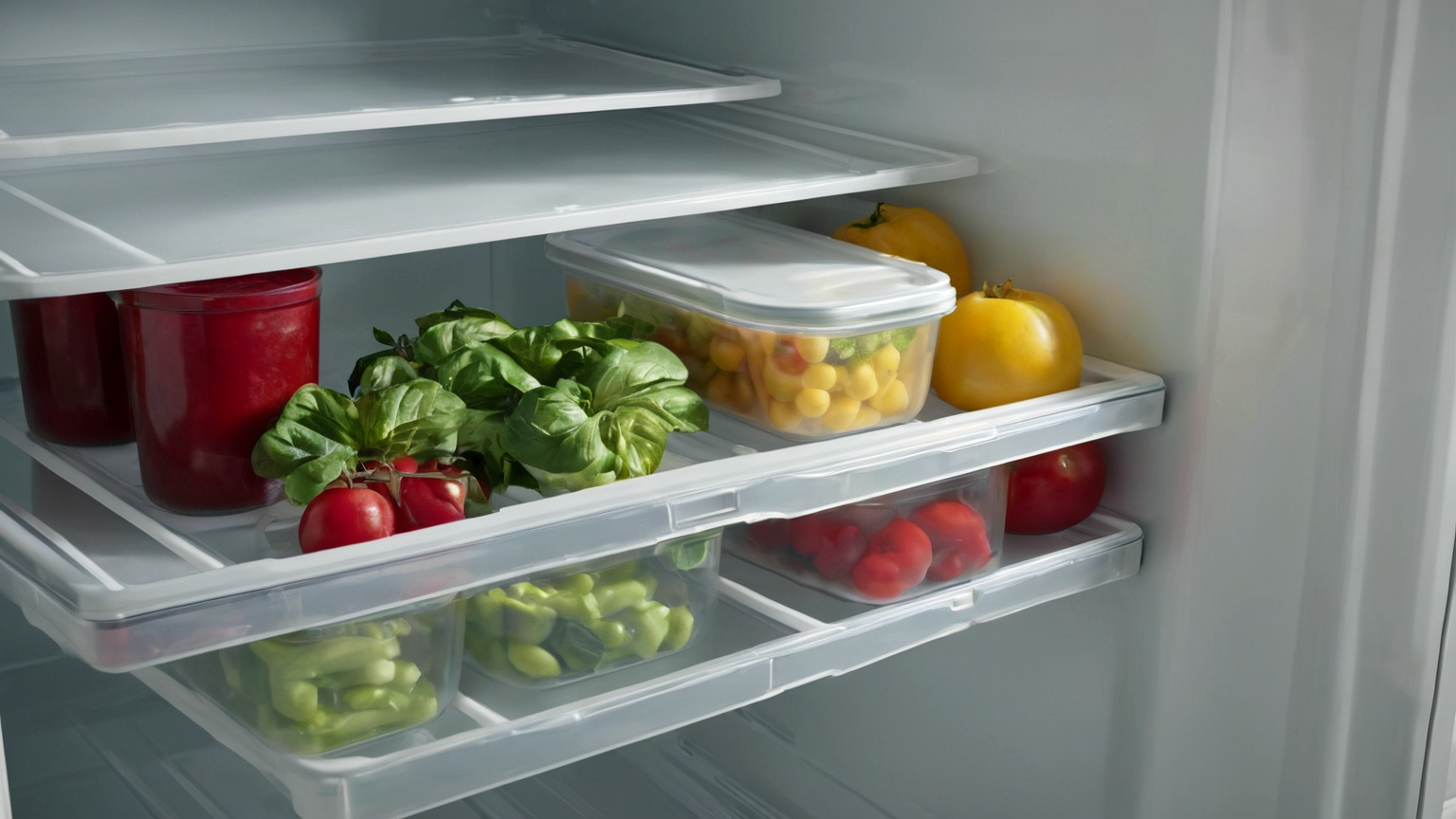
Build the menu around what can stay cold until serving. Shop with insulated bags, put refrigerated foods away promptly, chill ingredients before packing, and keep the refrigerator organized so ready-to-eat foods do not sit beside leaking raw items. A no-cook meal can still be high risk if cut melon, deli salads, soft cheeses, seafood, or leftovers wait in a warm car while errands continue.
2. Separate clean assembly from outdoor serving
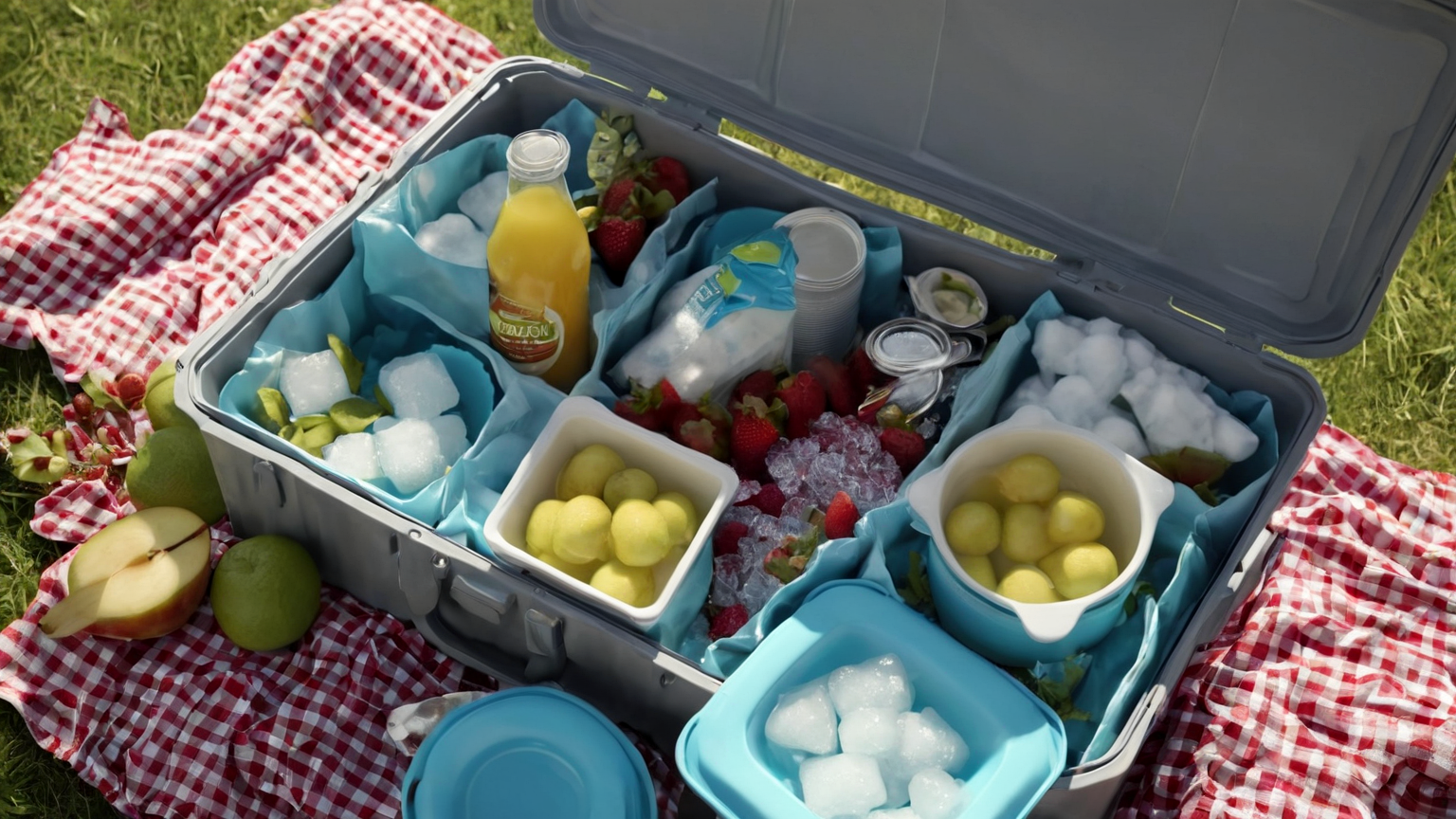
Use one clean surface for assembly and a different plan for serving. Wash hands, use clean boards, keep produce away from sink splash, and cover foods until people eat. At a picnic, pack serving utensils so hands do not reach into shared bowls. Replace the serving bowl with a smaller refillable bowl when possible, keeping the backup portion cold instead of displaying everything at once.
3. Treat cut produce as a refrigerated food
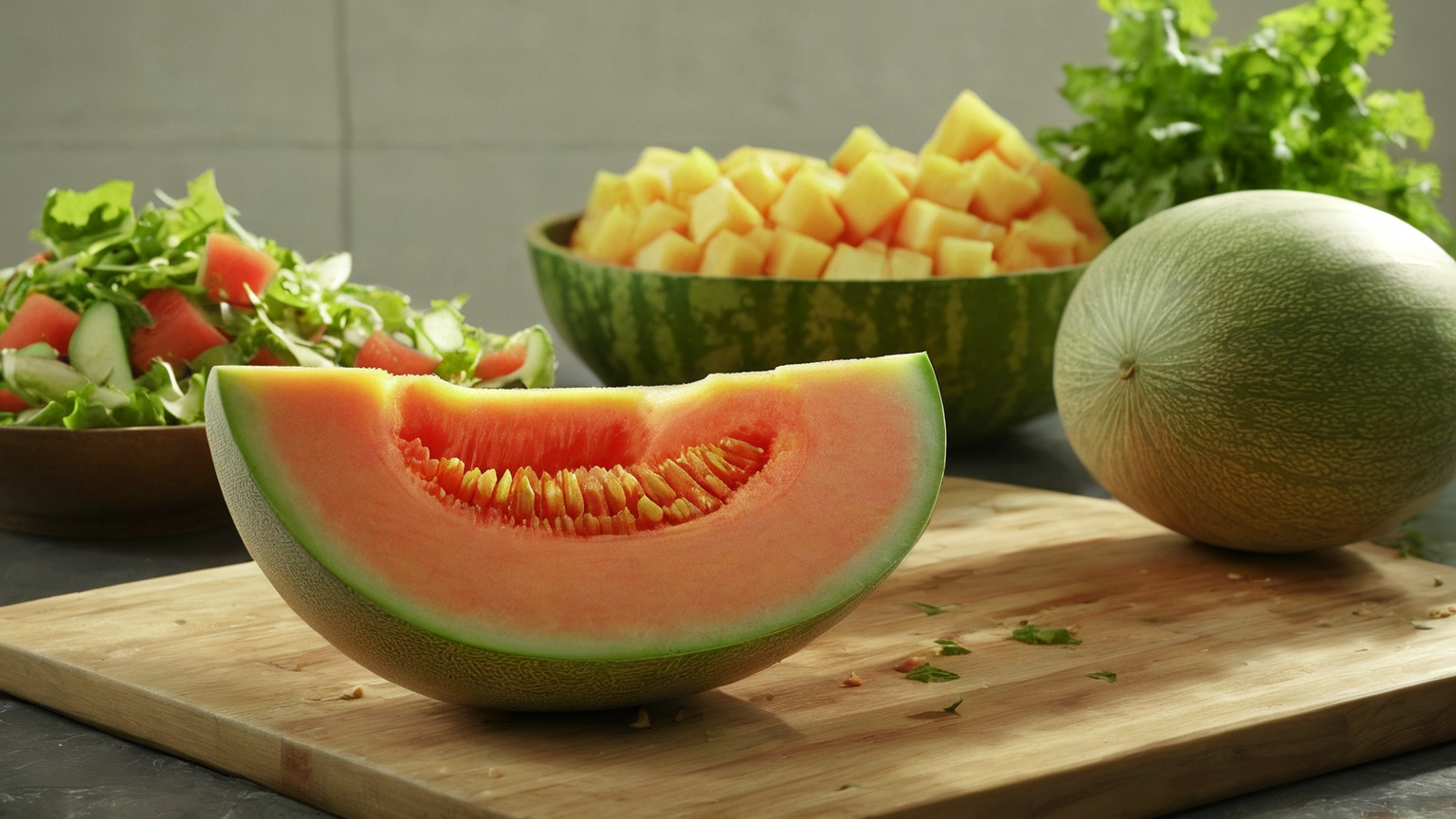
Whole produce and cut produce do not behave the same way. Once melons, berries, tomatoes, or leafy greens are cut or mixed, the safety plan depends on clean handling and cold storage. Wash produce before cutting when appropriate, dry it with clean materials, and discard items that spent too long warm or show spoilage. Do not rinse packaged ready-to-eat salads unless the label directs it; avoid adding sink splash risk.
4. Use time limits as a discard rule, not a debate
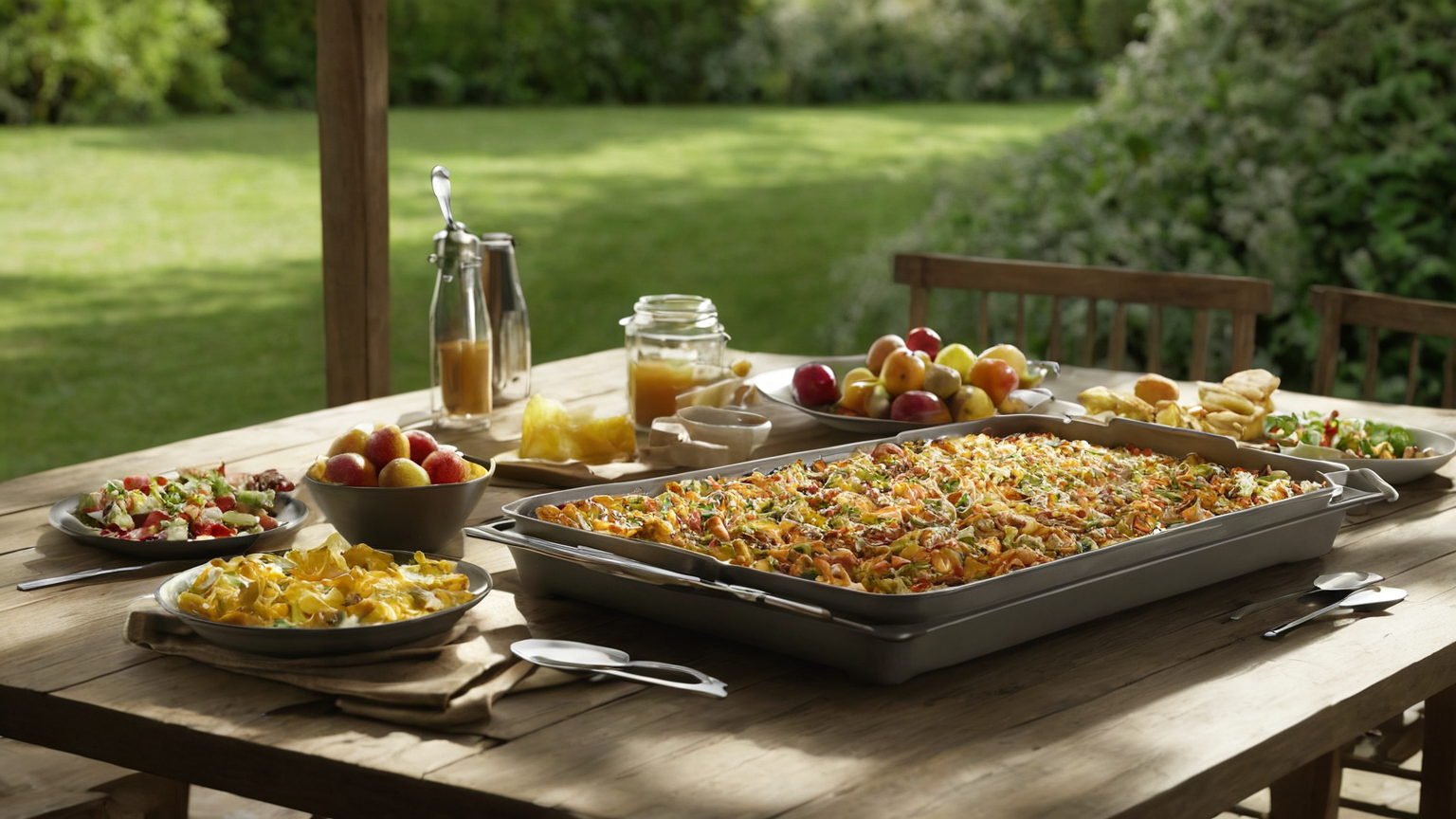
Food-safety time limits work only if someone notices the clock. Decide before serving who will return foods to the cooler, which container is the backup, and what gets discarded. If the group grazes for hours, use small portions and timed refills. A realistic plan prevents the common mistake of keeping questionable leftovers because the food looked expensive, tasted fine, or spent only part of the time in shade.

5. Keep the page trust-first and non-commercial
This article deliberately avoids product rankings. A thermometer, cooler, clean containers, and hand hygiene can matter, but the helpful-content value is the workflow: shop cold, assemble clean, serve small, time the table, and discard confidently. That practical framing supports AdSense readiness better than thin affiliate lists or fear-based claims.
Reader checklist
- Check the current official source or alert before relying on memory.
- Match the advice to the actual person, food, vehicle, room, route, or equipment involved in this article topic.
- Choose the conservative option when two warning signs overlap.
- Keep procedures, tables, and warnings as readable page text rather than embedded image text.
- Record what you changed so the next decision is easier and more trustworthy.
FAQ
Is this guide current? It was reviewed on 2026-06-13 against the listed sources. Current alerts, product manuals, recalls, road rules, and qualified professional advice still take priority.
Does this article contain affiliate recommendations? No. The daily publishing goal is helpful-content quality and AdSense readiness, so this article prioritizes practical source-backed decisions over product placement.
Why are the visuals text-free? GTI13/ComfyUI generated the raster illustrations, while the actual checklist and decision table stay in HTML/MDX text so readers can copy, search, translate, and verify them.
2026 AdSense quality update: how to use this guide in a real kitchen
This section was added on 2026-06-26 after a sitewide quality review. The goal is to make No-Cook Summer Meal Food Safety Heat Plan more useful than a short reminder list: it should help a reader decide what to do, what to measure, and when to stop. For this topic, the main risk is that the risk usually comes from one missed handoff between shopping, prep, cooking, serving, and cleanup. The safe response is not a vague promise to “be careful”; it is to write the trigger, thermometer check, time limit, cleaning step, and discard rule before the busy part of cooking starts.
Use the guide as a kitchen workflow, not as medical advice. If someone is already ill, has a high-risk immune status, is pregnant, is an older adult, or is feeding young children, use official food-safety guidance and professional medical advice rather than experimenting with borderline food.
Decision workflow for kitchen food-safety routine
| Checkpoint | What to verify | Safer default | Evidence to keep |
|---|---|---|---|
| Before cooking | Is the ingredient cold, separated, and within date? | Start with clean hands, a clean board, and a clean tool set. | Package date, refrigerator temperature, or shopping time. |
| During prep | Can raw juices or dirty water reach ready-to-eat food? | Separate raw, cooked, and produce zones before the counter gets busy. | Which board, knife, plate, and towel were used. |
| During cooking or holding | Is there a measurable temperature or time control? | Use a thermometer, timer, shallow container, or cooler plan instead of memory. | Internal temperature, discard time, or cooling start time. |
| Serving | Will guests open, touch, or move the food repeatedly? | Serve smaller portions and refill from a controlled hot/cold source. | Time the first serving dish left the refrigerator, grill, or oven. |
| Leftovers | Do you know the time and temperature history? | Refrigerate promptly; discard when the history is unclear. | Container label with date and food name. |
| Cleanup | Could residue move to tomorrow’s food? | Wash, sanitize where appropriate, and air-dry before storage. | Tool or surface that needs a second pass. |
Three common failure scenarios
- The schedule slips. Guests arrive late, errands take longer than expected, or a storm changes the plan. When timing changes, reset the food-safety clock instead of stretching it. Move food back to controlled temperature, or write a new discard time.
- The workspace gets crowded. Phones, towels, packaging, pets, and drink cups enter the prep area. Clear one clean landing zone for ready-to-eat food and keep raw-food tools visibly separate.
- A food looks fine but the history is unknown. The dangerous version is letting convenience replace temperature, separation, or handwashing. Smell, color, and texture are not reliable safety tests. When the time/temperature history is missing, discard the food.
Household checklist
- Put a refrigerator thermometer where it can be seen without moving food.
- Keep at least one instant-read thermometer clean and easy to reach.
- Use shallow containers for dense leftovers and label the date.
- Keep raw-meat boards, produce boards, and serving platters visually different.
- Decide the discard rule before cooking begins, not after everyone is tired.
- Re-check official sources when cooking for high-risk people or large groups.
Why this page exists
Many food-safety articles repeat the same four words—clean, separate, cook, chill—without showing the handoffs where people actually fail. CookNest Daily articles now include the handoff: what to measure, what to separate, what to label, and what to discard. That is the value this page adds for readers preparing a real meal.
Reader worksheet: turn the advice into a one-meal plan
Before applying this article, write a four-line plan on paper or in a kitchen note. The first line is the food and the person responsible. The second line is the measurable control for this kitchen workflow: measurable control, visible handoff, and documented stop point. The third line is the moment when the food changes status, such as leaving the refrigerator, reaching the grill, being cut, being packed, or being served. The fourth line is the discard or escalation rule.
That small note matters because most food-safety failures are not caused by ignorance of the rule. They happen when two people assume the other person started the timer, checked the thermometer, separated the platter, or moved the food back to the refrigerator. A written handoff also helps if you are cooking for guests, children, older adults, pregnant people, or anyone with a higher risk from foodborne illness.
For a single-person household, keep the note simpler: date, food, container, and next safe use. For a shared household, add owner and shelf location. For a party or outdoor meal, add the time the food left temperature control and the person allowed to discard it without debate. The goal is to remove social pressure from the decision. If the rule says discard, the host should not need to negotiate with a guest who says it “still looks fine.”
Use this worksheet with the official-source links above. If the official page gives a more specific number for your food, appliance, or situation, follow that source over a generic summary. CookNest Daily intentionally keeps the stop points visible because AdSense-quality food content should help a reader make a safer decision, not just repeat keywords.