Picnic Cooler Packing Two-Hour Food Safety Plan
A food-safety-first picnic cooler plan for packing, chilling, serving, leftovers, and the two-hour or one-hour heat rule.
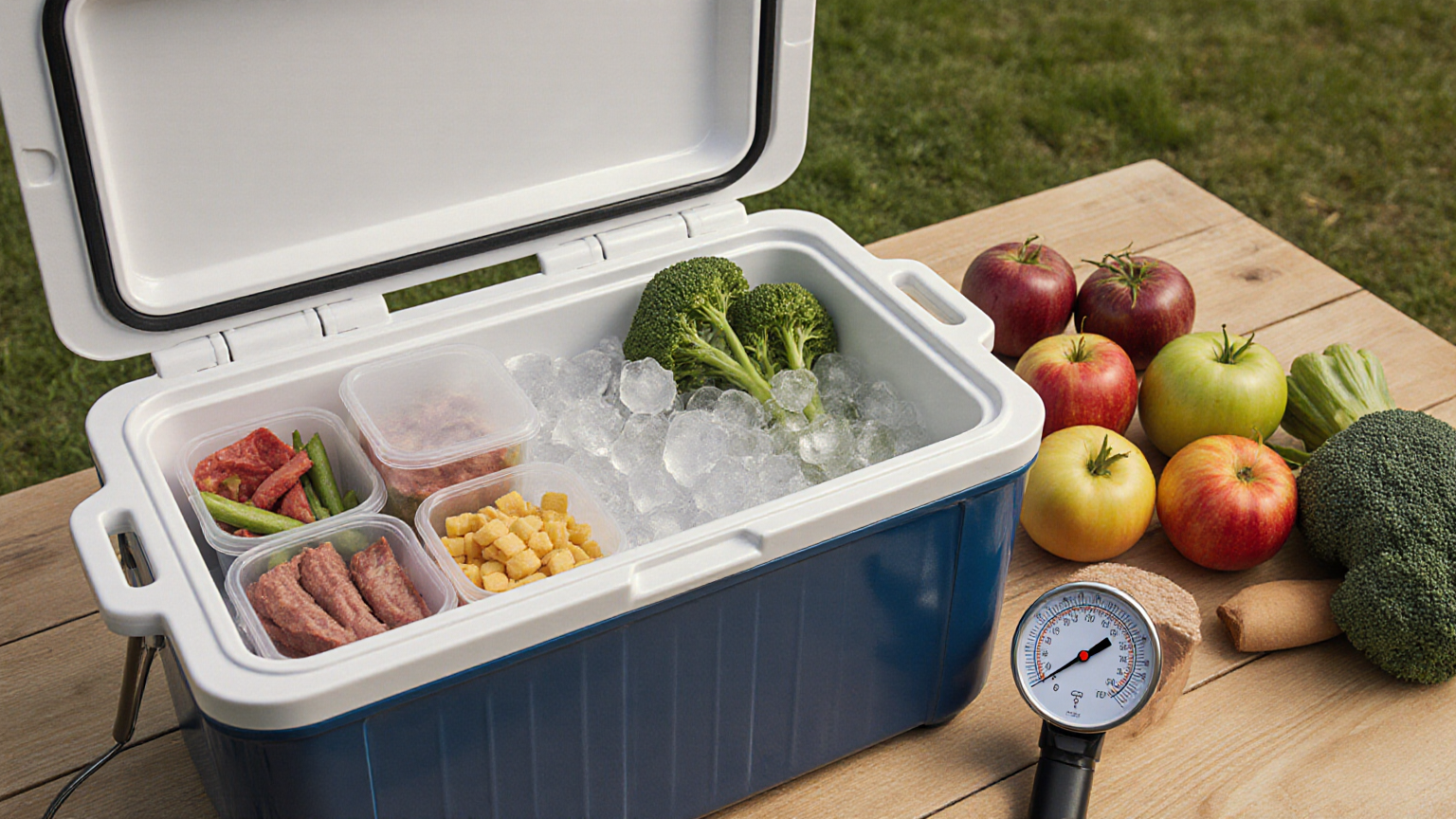
Safety fact check included
CookNest Daily articles surface source counts, timing assumptions, kitchen-test notes, and food-safety caveats. This label means editorial safety review, not a substitute for local food-code or medical guidance.
Picnic Cooler Packing Two-Hour Food Safety Plan
As of 2026-06-28, this guide is written as a practical decision aid, not a shortcut around official guidance. The goal is to help a normal household choose safer defaults, notice failure points early, and avoid advice that sounds precise but is not supported by the cited public sources. Keep the page useful by starting with the situation you actually have today: equipment condition, weather, time away from home, lighting, fatigue, and who could be harmed if the plan is rushed.
Quick decision table
| Situation | Better first move | Why it matters | Stop or escalate when |
|---|---|---|---|
| Leaving home | Pack cold foods last over frozen packs | The clock starts before the picnic table | Cooler is above safe chill or food was warm |
| Serving outside | Use small trays and keep backup portions cold | Less food sits in the danger zone | Air temperature is high or shade is gone |
| Leftovers | Return safe portions to cold storage quickly | Two hours shrinks to one hour in hot weather | You cannot prove timing or temperature |
Step-by-step routine
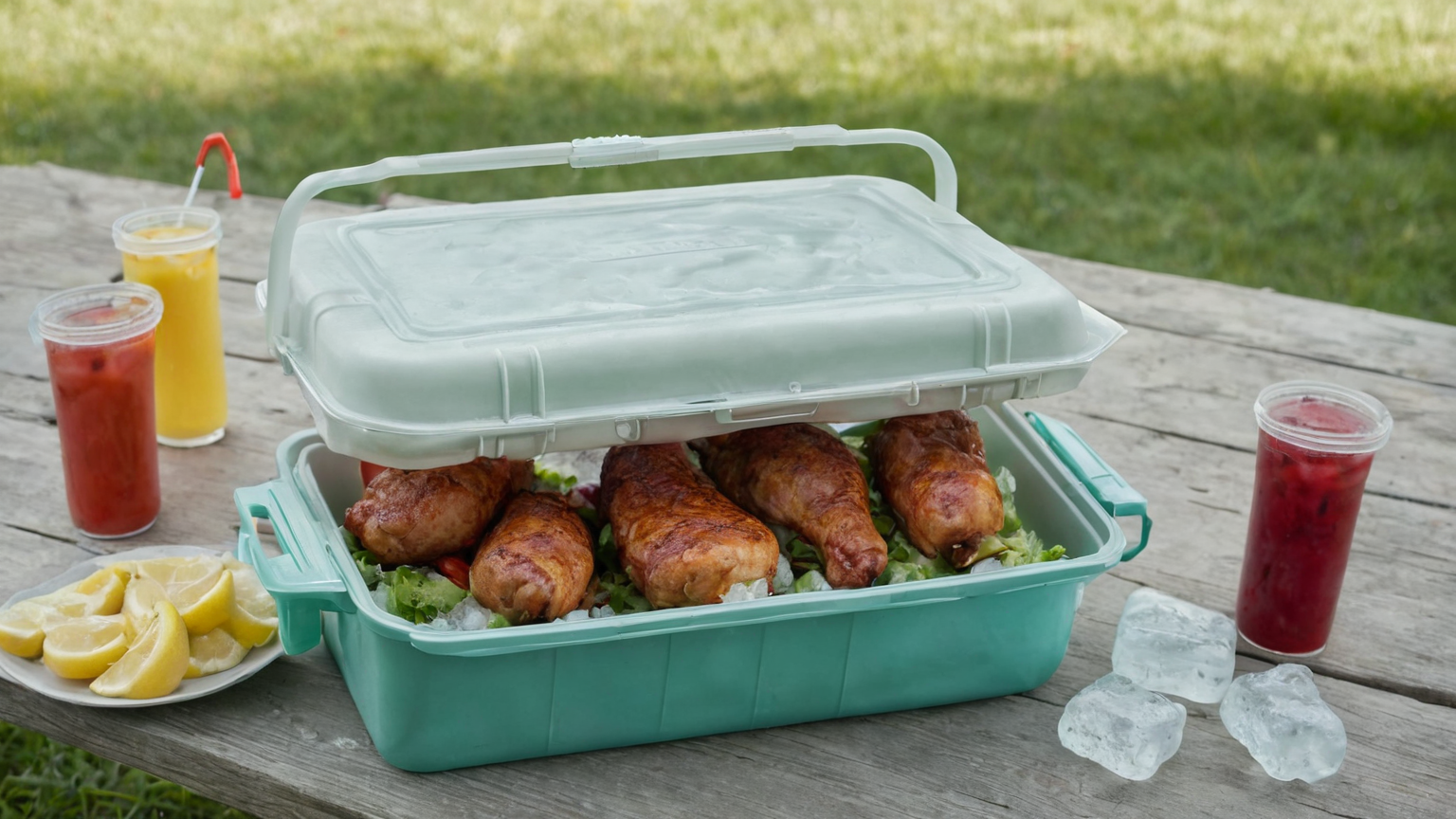
- Pre-chill everything — Cool the food, drinks, and cooler before packing.
- Layer for access — Put first-needed items on top so the lid is not open for long.
- Separate risky foods — Keep raw or high-risk items sealed away from ready-to-eat foods.
- Use a discard rule — When timing is uncertain, throw it out rather than negotiating with leftovers.
Checklist before you start
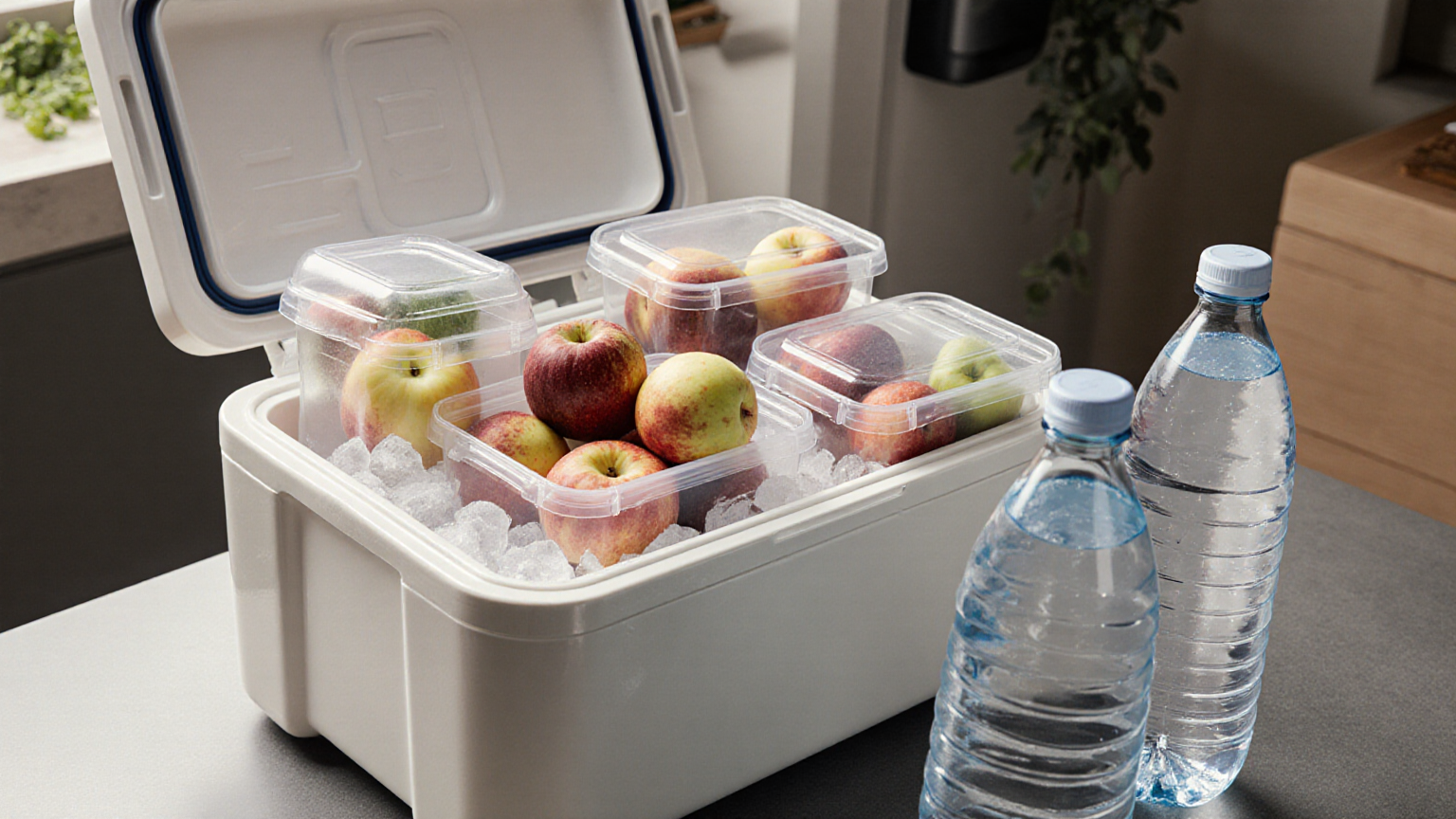
- Ice packs are frozen solid before packing.
- Ready-to-eat produce is washed and sealed.
- Raw foods, if carried, are in leakproof containers below ready-to-eat food.
- Hands can be cleaned before serving.
- A phone timer is set for serving and leftovers.
Common mistakes this plan avoids
- Using drinks as the food cooler: A drink cooler gets opened constantly and warms faster.
- Trusting shade alone: Shade slows warming but does not replace ice.
- Saving mystery leftovers: AdSense-safe helpful content should not encourage risky salvage.
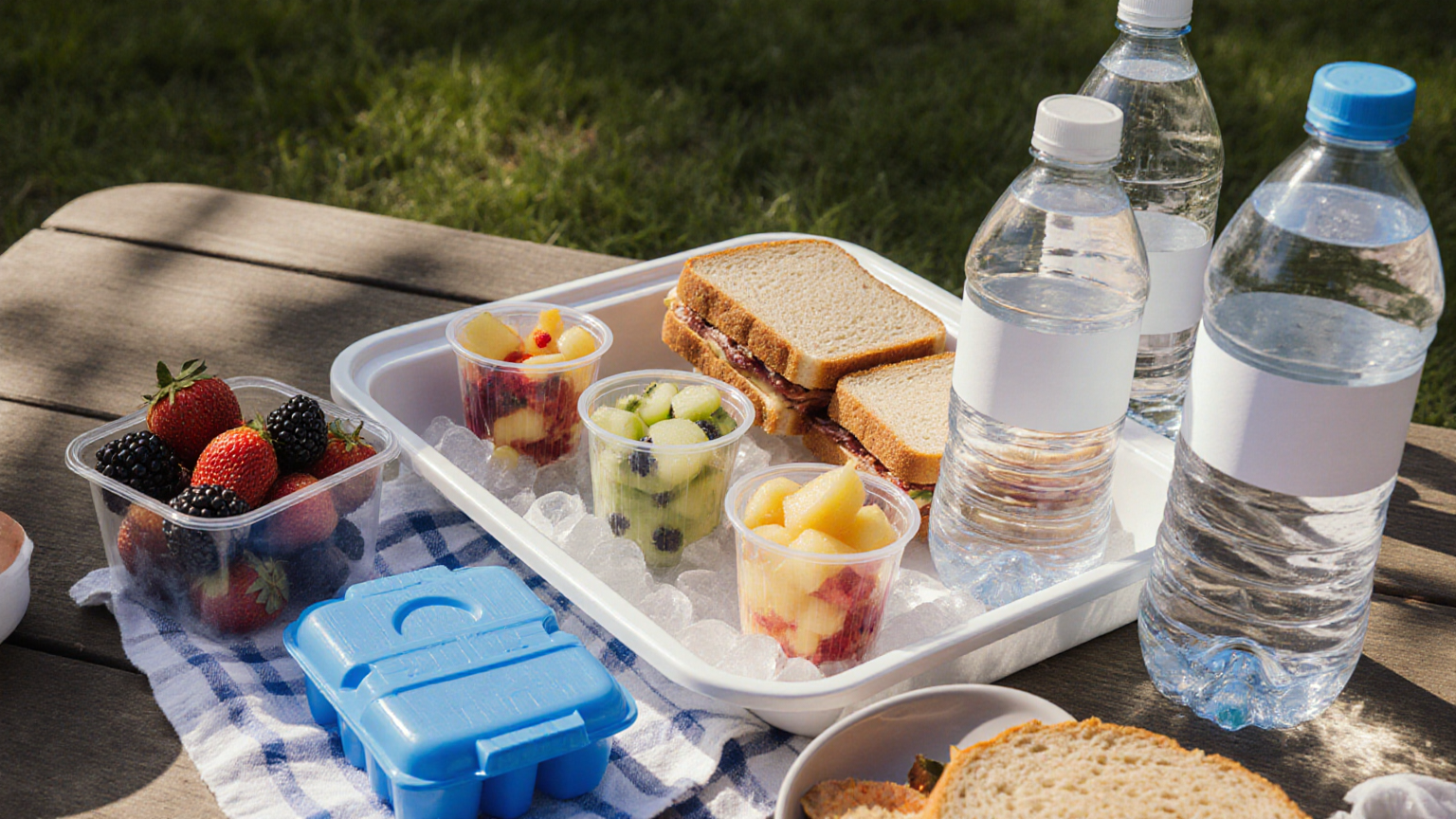
Reader-ready summary
For a reader, the useful rule is simple: cold food stays cold, hot food stays hot, and anything perishable that cannot meet the time-and-temperature story is not worth serving. Pack fewer items well instead of many items loosely.
What to monitor after the first try
- How long the lid was open during serving.
- Whether ice remained at the end of the meal.
- Which foods were out longest and should be discarded first.
When to pause
Do not serve food with leaking packages, uncertain timing, warm texture, off odors, or cross-contact from raw meat juices.
FAQ
What is the smallest useful action? Start with the one check that changes risk today, then record what happened so the next decision is easier.
Why so many conservative steps? The sources agree that prevention is easier than rescuing a poor setup after heat, fatigue, contamination, glare, or wasted energy has already created a problem.