Refrigerator Thermometer Safety: The Home Cold-Storage System
USDA, FDA, CDC, and extension guidance for using fridge thermometers, cooling leftovers, and preventing cold-storage food safety failures.
Safety fact check included
CookNest Daily articles surface source counts, timing assumptions, kitchen-test notes, and food-safety caveats. This label means editorial safety review, not a substitute for local food-code or medical guidance.
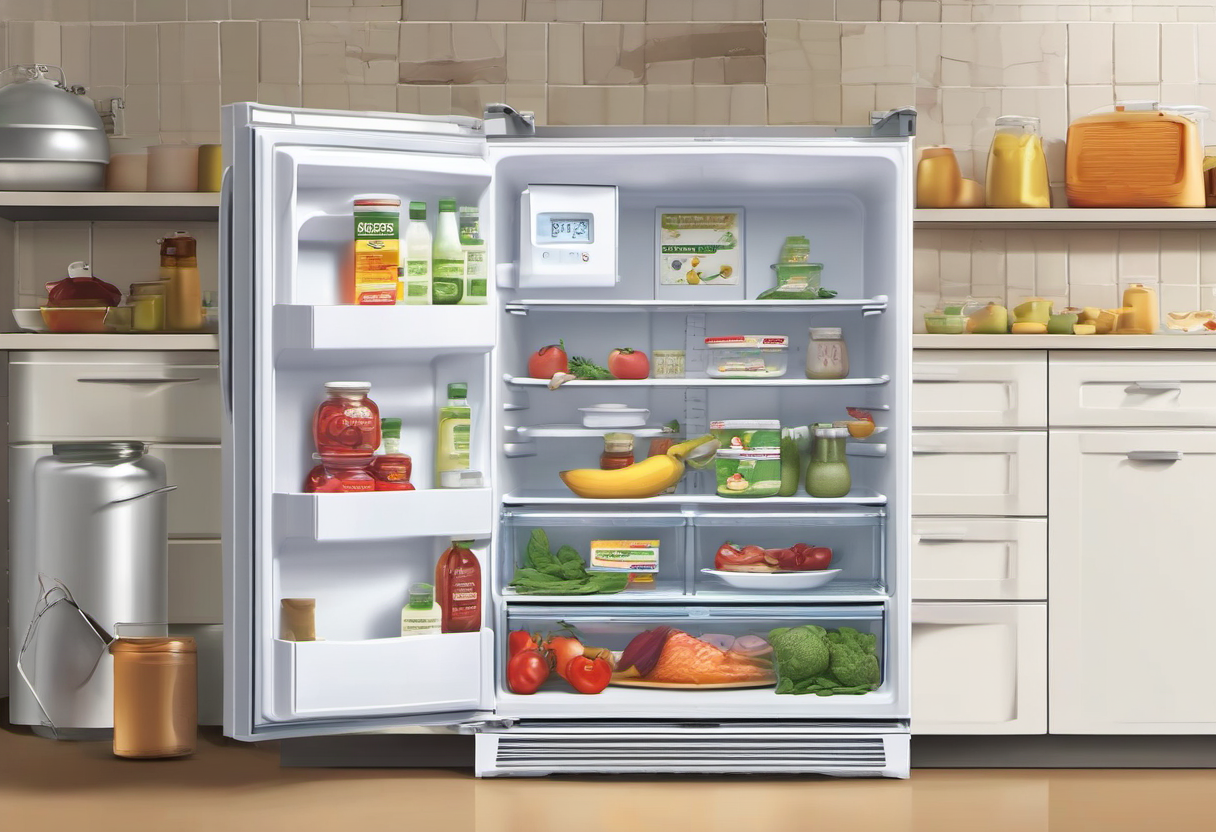
A refrigerator thermometer is one of the cheapest food-safety tools in the kitchen, but it only helps if it changes behavior. Many refrigerators show a set point, not the temperature around the leftovers you plan to eat. Door openings, crowded shelves, warm containers, weak gaskets, and power interruptions can all create pockets of risk. This guide turns the thermometer into a cold-storage system: place it correctly, verify patterns, cool food quickly, organize by risk, and decide when food should be discarded rather than rescued.
1. Measure the space where food actually sits
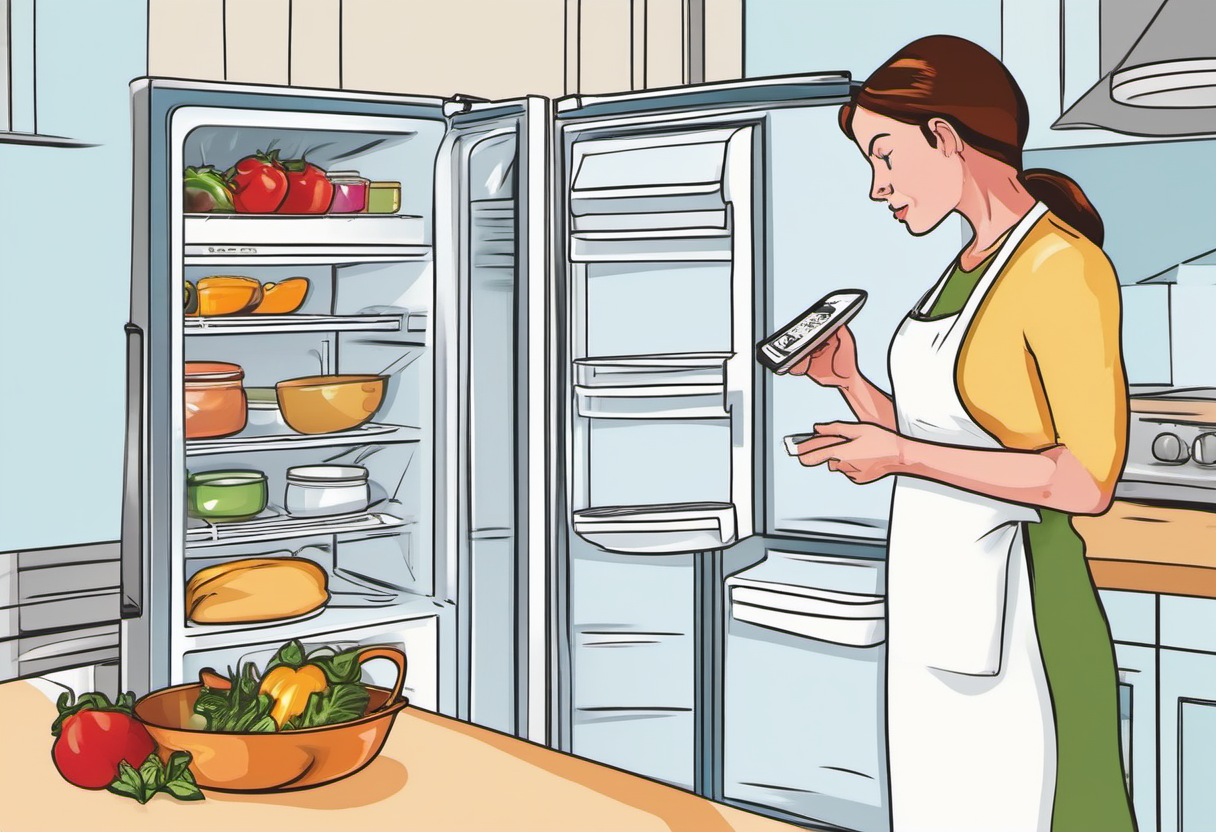
The number that matters is not the dial setting. It is the temperature surrounding the food. Place an independent refrigerator thermometer in a practical food zone: the front half of the main shelf, the area used for leftovers, or the warmest shelf you actually use. After the door has remained closed long enough for the appliance to stabilize, record the reading. If you only measure the cold back wall, you may miss the place where lunch containers and dairy spend most of their time.
For the first week, check morning, dinner-prep, and after-grocery readings. This simple log shows whether the refrigerator recovers quickly after door openings and whether a crowded shelf blocks airflow. Do not adjust the thermostat every hour; learn the pattern first. If readings regularly drift above the safe target, look for overloaded shelves, dirty coils, weak door seals, blocked vents, or a failing appliance. USDA and FDA guidance is clear that cold holding is a control step, not a guess.
2. Cool leftovers before they heat the fridge
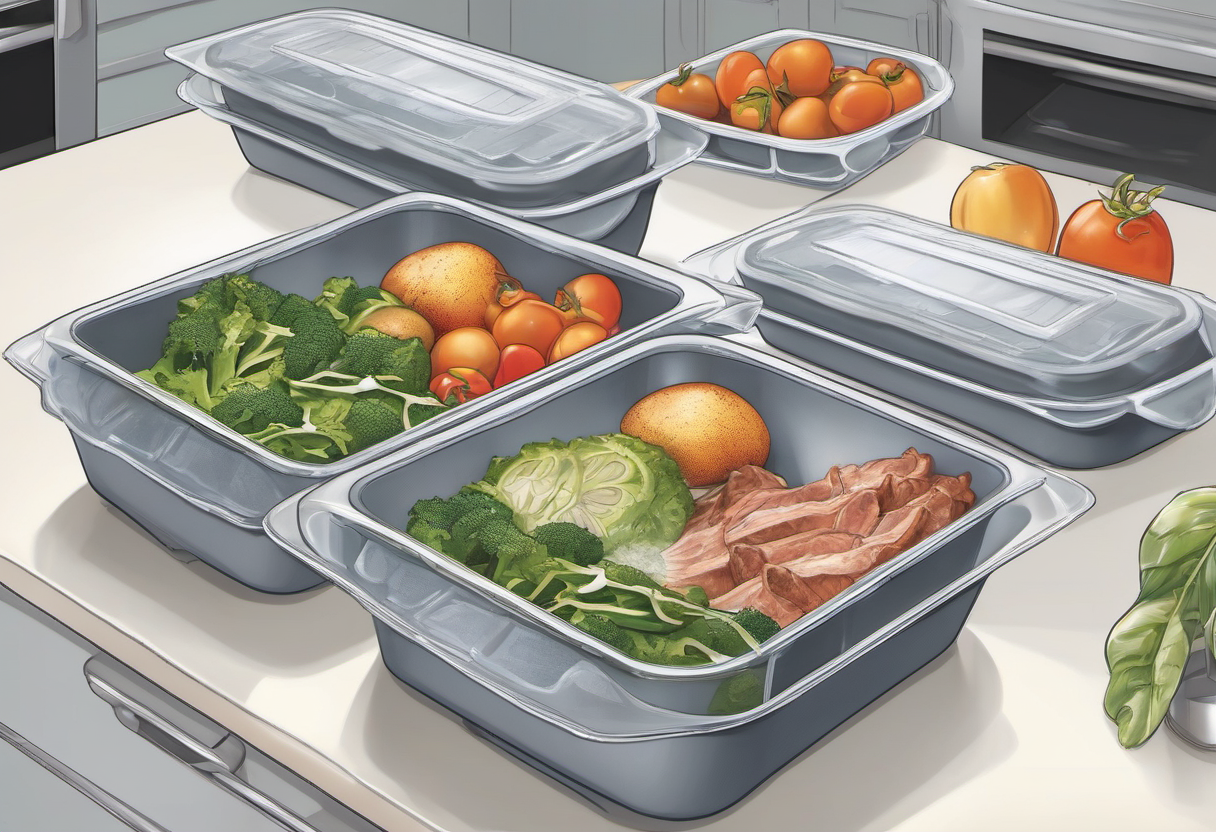
Leftover safety depends on both time and temperature. A deep pot of soup or a large casserole can stay warm in the center long after the outside feels cool. Divide large batches into shallow containers, use an ice bath for dense foods when needed, and avoid stacking hot containers tightly. Refrigerate promptly instead of waiting for food to sit on the counter until it feels room temperature. The goal is to move heat out of the food quickly without warming the whole refrigerator.
Meal prep creates a special risk because many containers enter the fridge at once. Leave space for airflow, label containers with the date, and check the thermometer after a large cooking session. If the refrigerator climbs and stays warm, move some food to smaller containers, use ice baths, or freeze portions. A thermometer gives you a signal early enough to act; it is not just a decoration on the shelf.
3. Organize by contamination risk
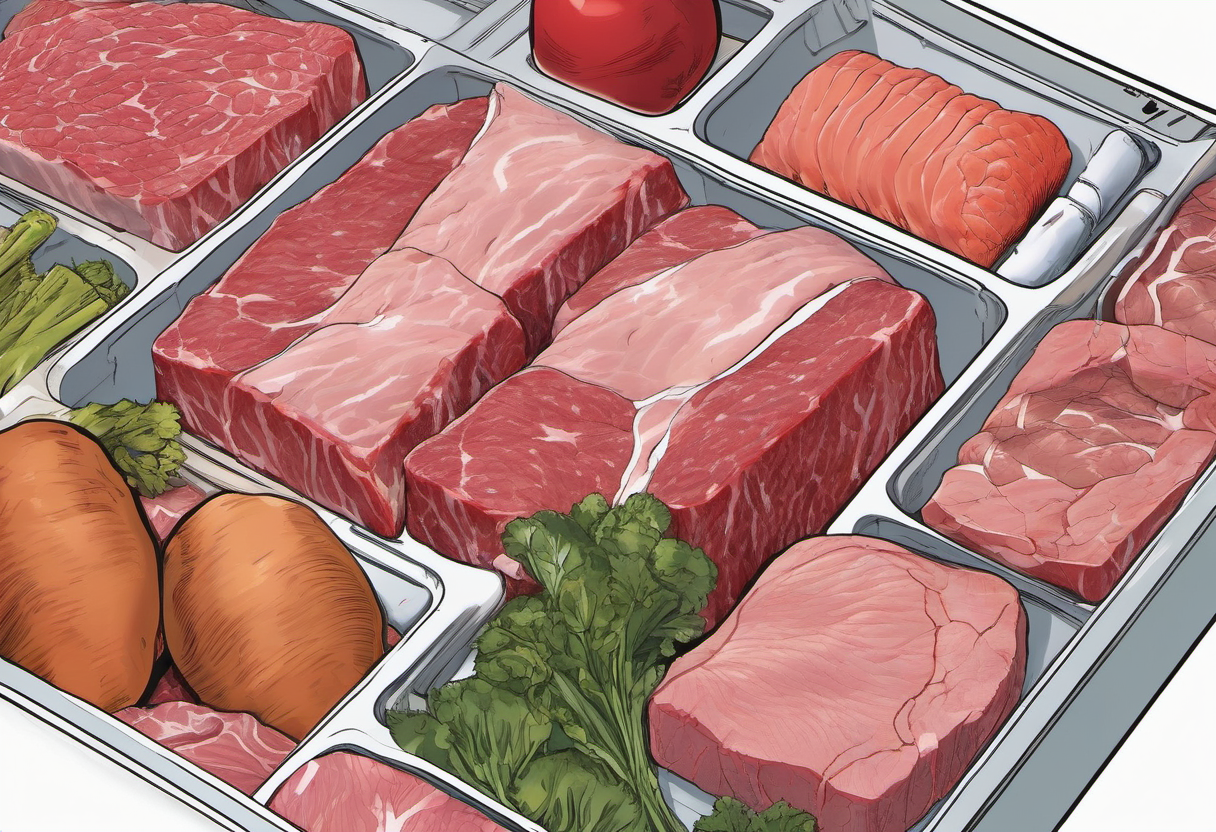
Safe cold storage also requires physical separation. Keep raw meat, poultry, and seafood sealed on a low tray so juices cannot drip onto ready-to-eat foods. Store leftovers, washed produce, dairy, and cooked grains above raw animal foods. Use the door for condiments and less sensitive items because the door is often the most variable zone. Avoid putting milk for a toddler, raw meat, or multi-day leftovers in the door simply because the space is convenient.
This organization reduces the consequences of a single mistake. A safe air temperature cannot fix raw chicken juice on salad greens. A clean shelf cannot make an under-cooled pot safe. The CDC’s four-step pattern—clean, separate, cook, chill—works best when the refrigerator layout supports it. Pair the thermometer with a tray, labels, and a weekly reset, and the system becomes easier for everyone in the household to follow.
4. Calibrate habits, not just tools
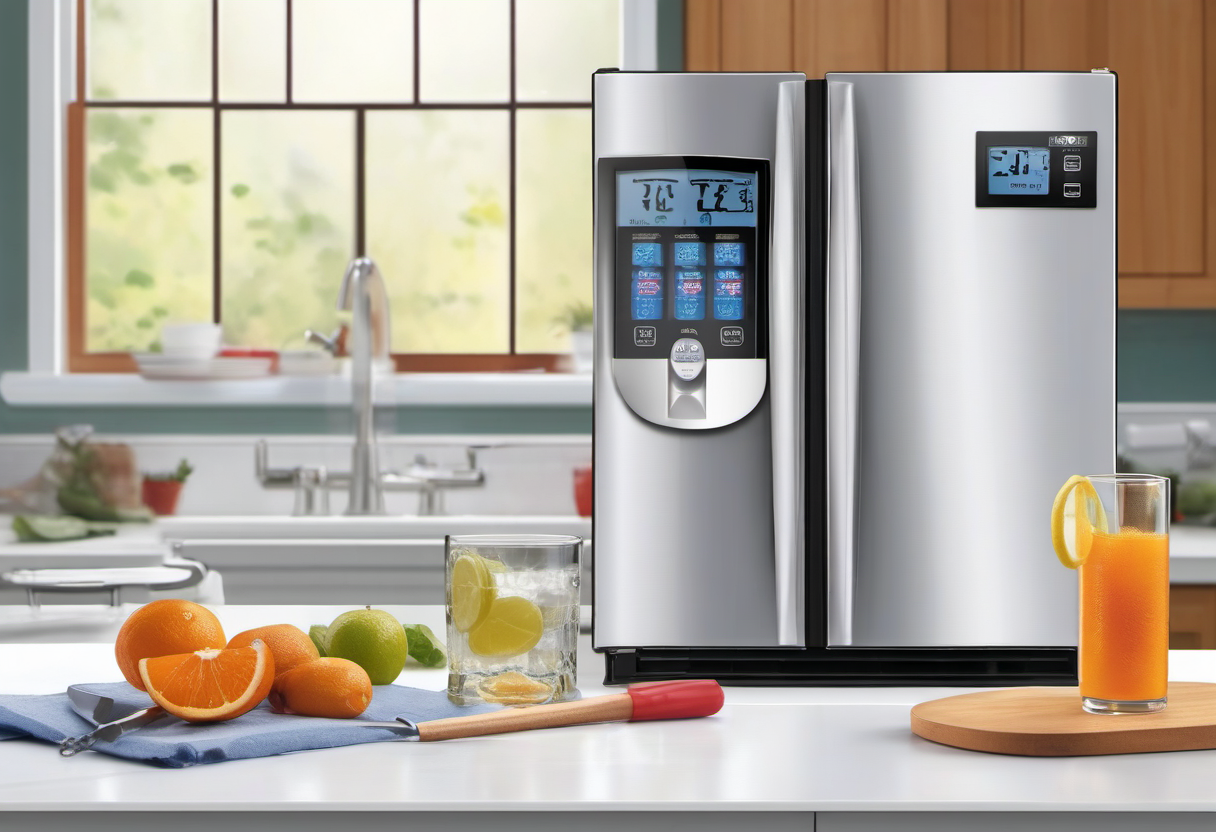
Thermometers fail, batteries weaken, displays fog, and cheap devices can disagree. If a reading seems suspicious, compare two thermometers in the same stable location or follow the manufacturer’s checking method. Replace devices that respond slowly or inconsistently. A tool that is never checked becomes kitchen theater, while a tool used consistently can reveal a gasket problem, overloaded holiday refrigerator, or power-outage risk.
Power outages require disciplined decisions. Keep the door closed, note the outage duration, and use official guidance rather than tasting or sniffing questionable food. Smell is not a reliable pathogen test. After power returns, check the thermometer and evaluate high-risk foods first: meat, poultry, seafood, cut produce, dairy, cooked rice, and leftovers. When in doubt, throwing food away is frustrating but safer than gambling with a week of meals.
5. Make the weekly reset automatic
Choose one day for a five-minute cold-storage reset. Check the thermometer history, move older leftovers forward, freeze food that will not be eaten soon, wipe spills before they spread, and discard mystery containers. A strip of tape with a food name and date is enough; you do not need an elaborate labeling system. The safest refrigerator is not the prettiest one. It is the one where people can see what is older, what is raw, and what needs to be eaten or discarded.
A refrigerator thermometer is low-cost because it prevents expensive waste and risky confidence. It turns a hidden condition into a visible habit. Use it with shallow cooling, safe shelf order, labeling, and official storage-time guidance, and cold storage becomes a simple system rather than a hope that the appliance is doing everything perfectly.
6. Build a decision tree for common problems
When the thermometer reads warm, do not jump immediately to disposal or appliance repair. First, ask whether the door was recently open, groceries were just loaded, warm leftovers were added, or a vent is blocked. Recheck after the appliance has had time to recover with the door closed. If the reading returns to the target range, improve the habit that caused the spike: cool food in smaller containers, leave more airflow, or organize the shelf before shopping day.
If the reading stays warm, treat it as a system problem. Check the door gasket with a simple paper test, make sure the refrigerator is not packed against the wall without ventilation, clean accessible coils according to the manual, and confirm the thermostat setting has not been changed. If high-risk foods have spent too long in the danger zone, use official guidance and discard when appropriate. The thermometer does not make the decision for you; it tells you when a decision is needed.
7. Use storage zones intentionally
Different foods deserve different zones. Raw poultry and meat belong low and contained because the consequence of leakage is high. Ready-to-eat leftovers need cold, visible storage so they are eaten within their safe window. Cut fruit, cooked rice, seafood, dairy, and deli foods should not disappear behind condiments until nobody remembers the date. The door should be treated as a convenience zone, not as the safest place for sensitive foods.
This zone strategy also reduces food waste. When older leftovers are visible, they are more likely to become lunch before they become trash. When raw items sit on a tray, a small leak does not force a full refrigerator cleanout. When a thermometer shows that the front shelf runs warmer, the household can reserve that area for lower-risk foods. Safety and waste reduction are not competing goals; both improve when the refrigerator is organized around actual risk.
8. Make the system easy for tired people
Food-safety advice fails when it assumes everyone is calm, rested, and cooking in a laboratory. Real kitchens are busy. People unload groceries while answering messages, pack lunches late at night, and forget which container is chili and which is sauce. Design the refrigerator so the safe choice is obvious: labels near the tape, a marker in the drawer, one tray for raw proteins, one bin for eat-first leftovers, and a thermometer where it can be seen without moving half the shelf.
Review the system after holidays, parties, power outages, and large batch-cooking days. Those are the moments when refrigerators are overloaded and assumptions fail. A five-dollar thermometer cannot replace judgment, but it can interrupt false confidence. When paired with shallow cooling, separation, labels, and a weekly reset, it becomes one of the highest-value safety tools in the kitchen.
9. Special situations: guests, holidays, and shared kitchens
Food safety becomes harder when more people use the same refrigerator. During holidays or parties, assign one shelf for raw foods, one area for ready-to-eat dishes, and one eat-first zone for leftovers. Put the thermometer where everyone can see it and avoid filling the refrigerator so tightly that cold air cannot move. If a cooler is used as overflow, use a thermometer there too; a cooler without enough ice is just an insulated box.
Shared apartments and family kitchens need written habits more than lectures. A small note on the fridge can define the raw-meat tray, leftover label rule, and weekly cleanout day. This reduces blame because the system is visible. When the refrigerator is treated as common safety equipment rather than private storage space, fewer containers become mysteries and fewer risky decisions are made when people are tired or rushed.
10. Final checklist
Before considering the setup complete, write down the baseline, the exact action taken, the date for the next review, and the condition that would make you stop or ask for expert help. This small record prevents the most common failure: making a change, forgetting why it was made, and then repeating the same decision later. Keep the checklist near the tool, app, or maintenance file so the next review is based on evidence rather than memory.