Spice Storage and Freshness — 2026 Kitchen Guide
Ground spices lose 50 percent of their flavor in 6 months. Whole spices last 2-4 years. Here is the storage chemistry and the practical rotation that keeps spices vibrant.
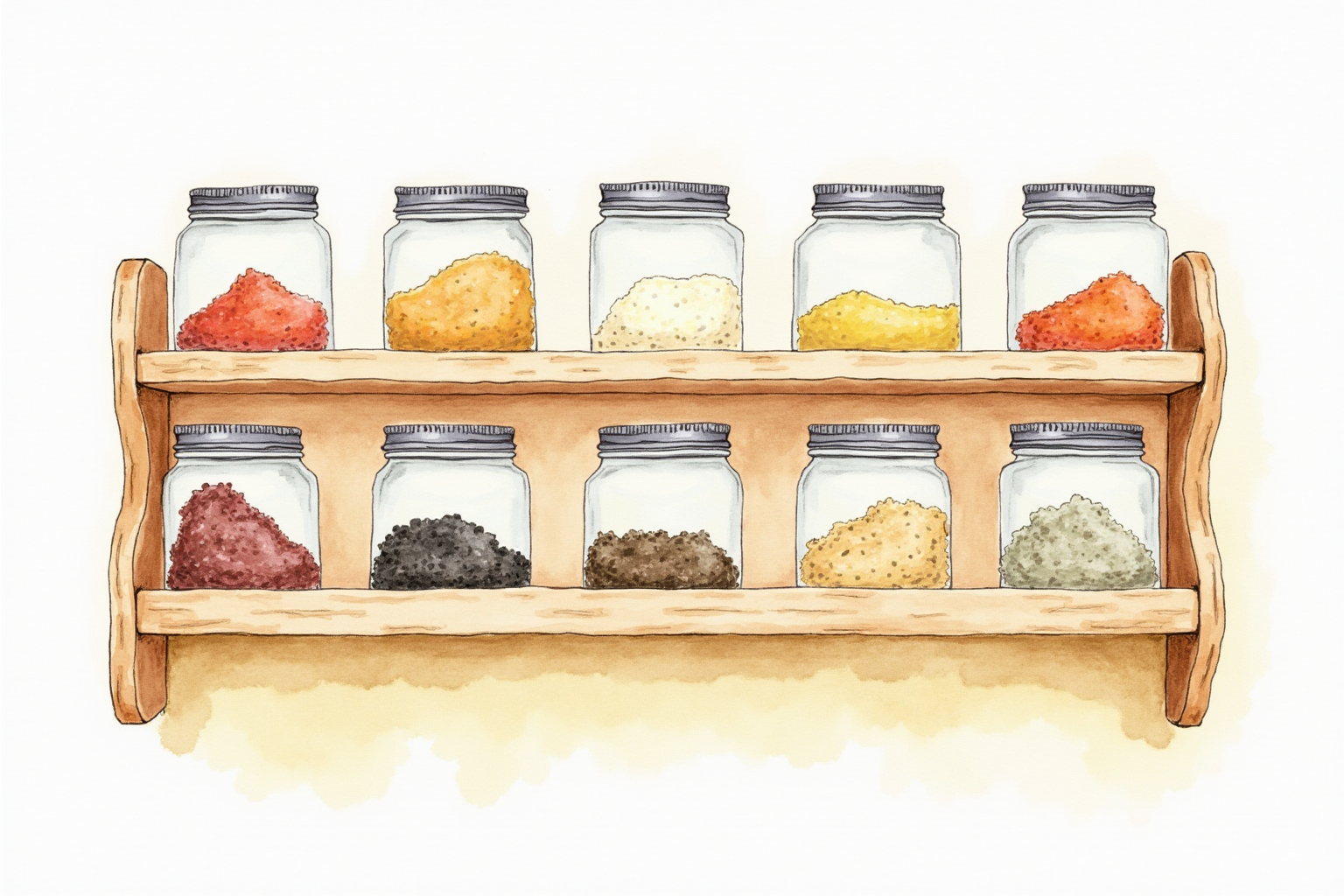
Safety fact check included
CookNest Daily articles surface source counts, timing assumptions, kitchen-test notes, and food-safety caveats. This label means editorial safety review, not a substitute for local food-code or medical guidance.
The spice cabinet is one of the most-neglected areas of the home kitchen. Ground spices purchased years ago sit in the cabinet next to fresh ones, gradually losing flavor without anyone noticing. The end result: recipes that should taste vibrant come out muted, and cooks blame their technique when the real culprit is faded spices.
This article explains the chemistry of spice degradation, provides specific guidelines for storage and rotation, and identifies the equipment that supports fresh-spice cooking. The conclusion is that switching to whole spices, storing them correctly, and grinding as needed produces dramatically better flavor than using pre-ground supermarket spices — at modest additional effort.
- Why ground spices fade faster than whole spices
- Storage variables that extend spice life
- How to test spice freshness
- Where to source fresh spices
- Top picks for grinders and storage
The spice degradation chemistry
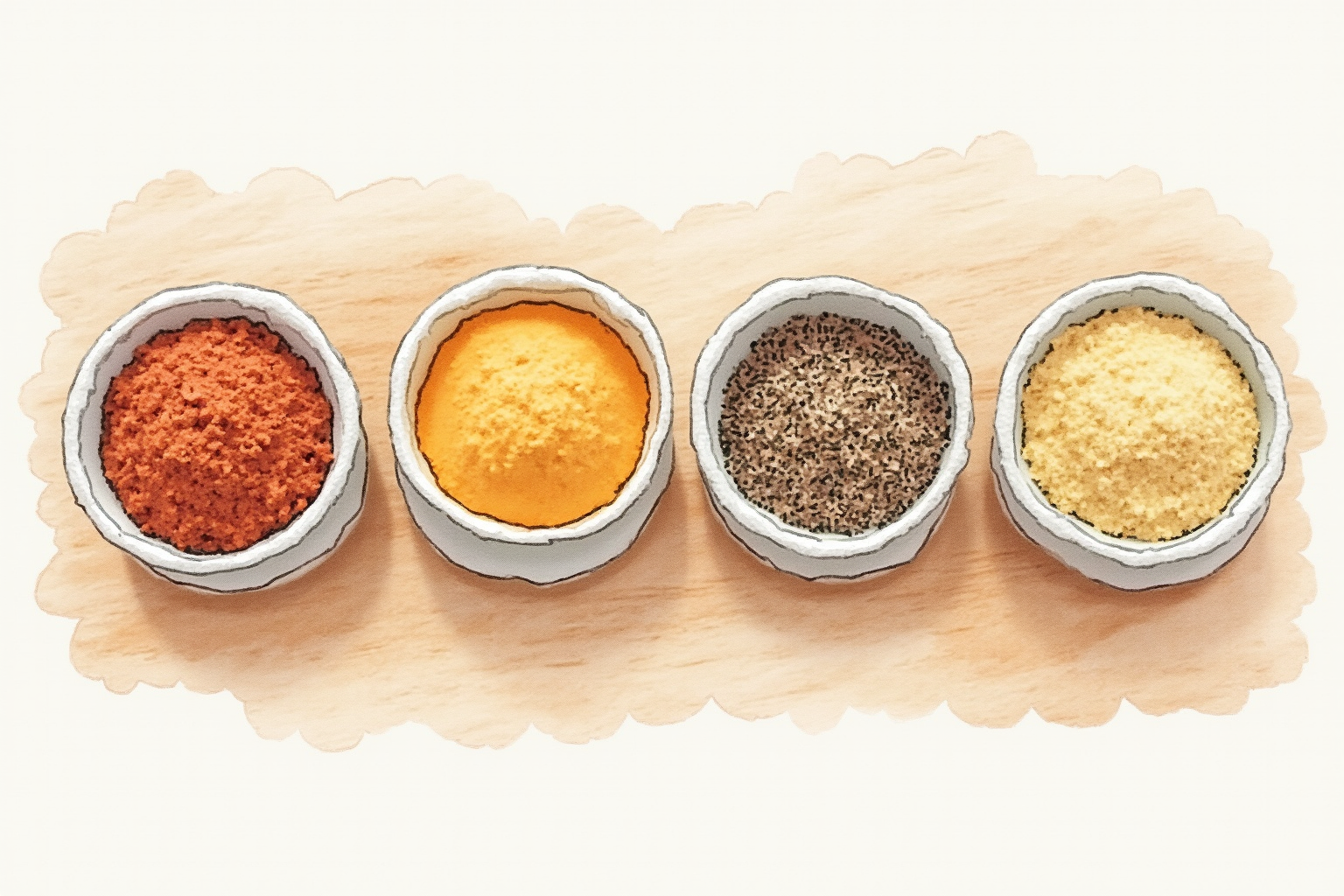
The flavor of any spice comes from volatile aromatic compounds — essential oils, terpenes, and aromatic molecules — concentrated in the seed, bark, or dried plant matter. These compounds give cumin its earthy depth, coriander its citrus brightness, cardamom its complex floral notes.
The defining problem: volatile compounds evaporate. Once the spice is exposed to air, the volatile molecules slowly diffuse out of the spice and into the atmosphere. The rate of loss depends on:
Surface area: A whole peppercorn has minimal surface area. A ground pepper grain has 100-1000x more surface area. The ground version loses volatiles 100-1000x faster.
Temperature: Higher temperatures accelerate evaporation. Spices stored at 75°F lose flavor twice as fast as spices at 65°F.
Light: UV light degrades many flavor compounds. Spices in clear glass jars on window-facing shelves degrade fastest.
Moisture: Humidity allows microbial activity and accelerates flavor changes.
Air exposure: Each time the jar is opened, fresh air contacts the spices and accelerates loss.
The math: ground spices in typical kitchen conditions (75°F, ambient light, frequent opening) lose 50% of flavor in 6 months and 90% in 2 years. Whole spices under the same conditions lose 50% in 2-4 years.
The whole-spice argument
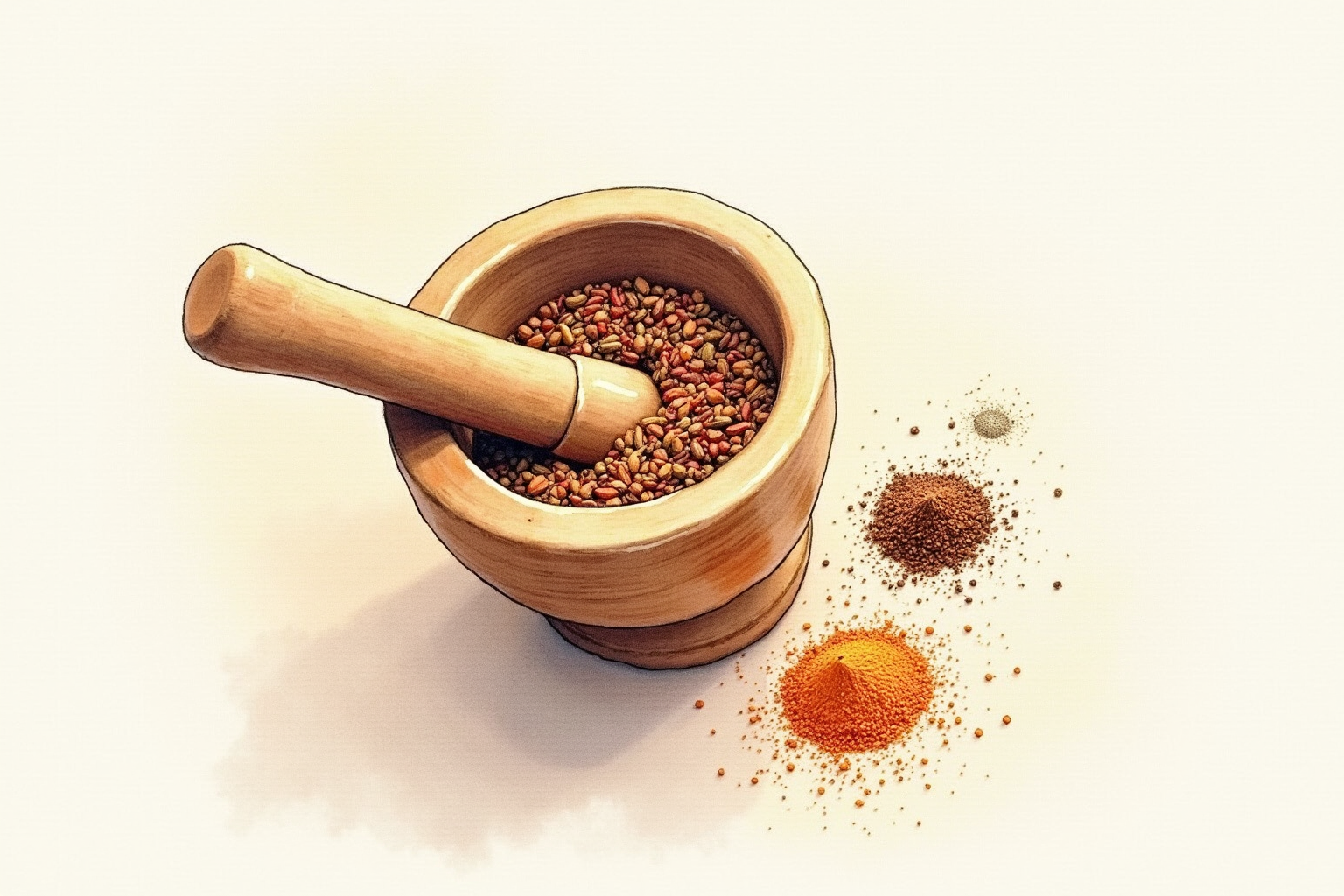
The dramatic shelf-life difference makes the whole-spice approach almost always worthwhile for serious cooks:
Storage life:
- Ground cumin: 6 months optimal, 1 year acceptable, 2 years over
- Whole cumin seed: 2-3 years optimal, 4+ years acceptable
Buying strategy:
- Buy whole spices in bulk (1-4 ounces) — they last
- Grind small batches as needed (1-2 weeks of cooking supply)
- Keep the whole-spice jar; refill the ground-spice jar from it
Equipment requirement:
- Electric blade grinder (Krups F203 at $25): seconds to grind, batch work
- Mortar and pestle (marble or granite, $20-50): fresh small grinds, no electricity
The pre-ground supermarket spice is fine for occasional cooks; it fails for serious cooks who notice the flavor difference.
Storage variables — what to control
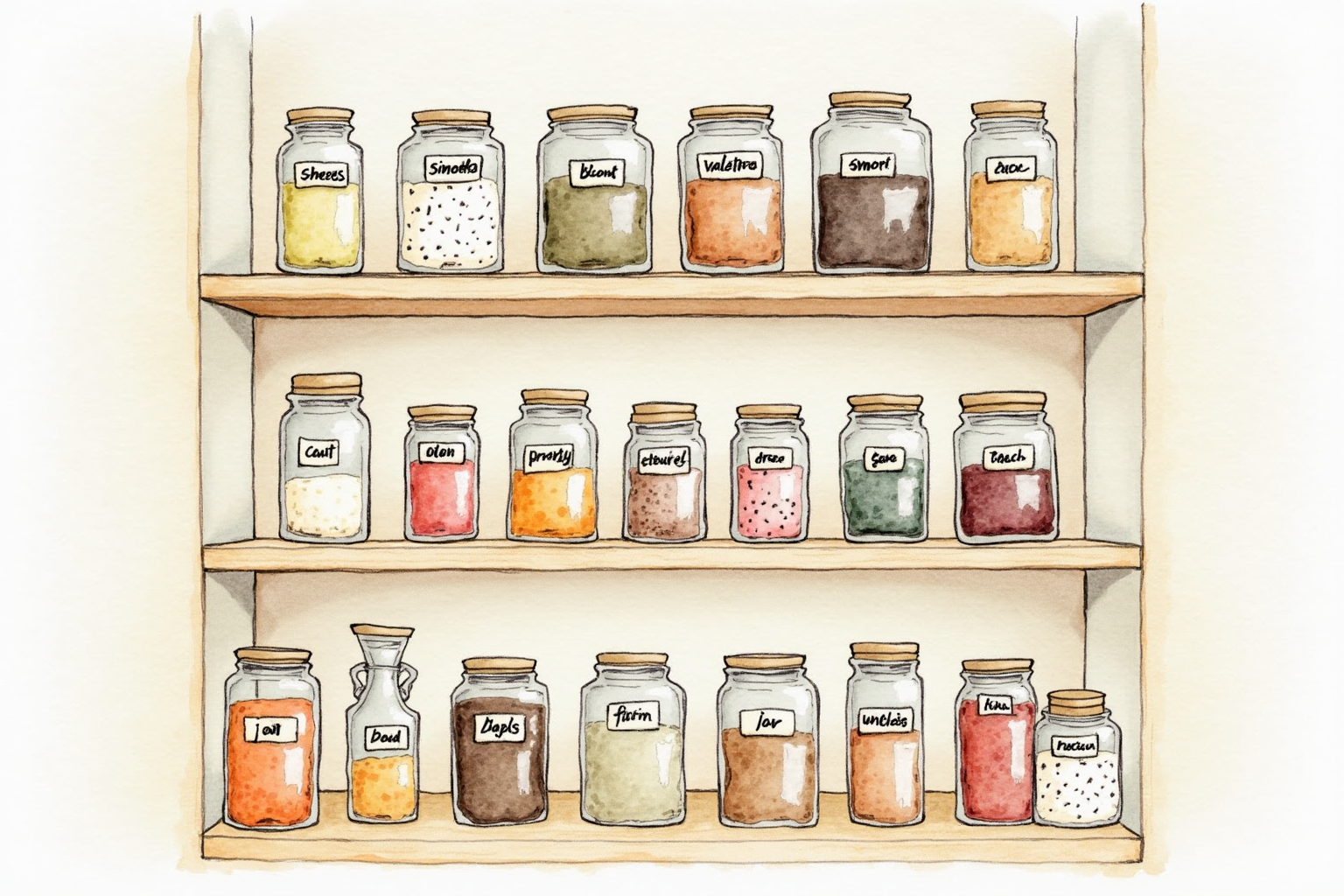
Three variables determine spice longevity:
Air-tight containers: The supermarket spice jar (with the open-shake lid) lets air infiltrate. Transfer spices to glass jars with screw-tight lids or rubber gasket seals. Le Parfait, Weck, and similar preserve jars work well. Mason jars work but the metal lids may corrode in humid kitchens.
Light protection: Store in dark cabinets or drawers. If your kitchen requires the spices to be visible (rack on the wall), use opaque or amber-glass jars. Clear glass plus direct or indirect light accelerates degradation by 30-50%.
Heat avoidance: The cabinet above the stove is the worst location. Heat rises during cooking and warms the cabinet by 10-20°F over baseline. Choose a cabinet at the opposite end of the kitchen, or a drawer.
Moisture exclusion: Never let wet utensils touch the spice container. Replace metal lids that have rusted. Keep the jar dry after opening.
These four controls collectively can double or triple practical spice shelf life vs ignoring them.
Where to source fresh spices
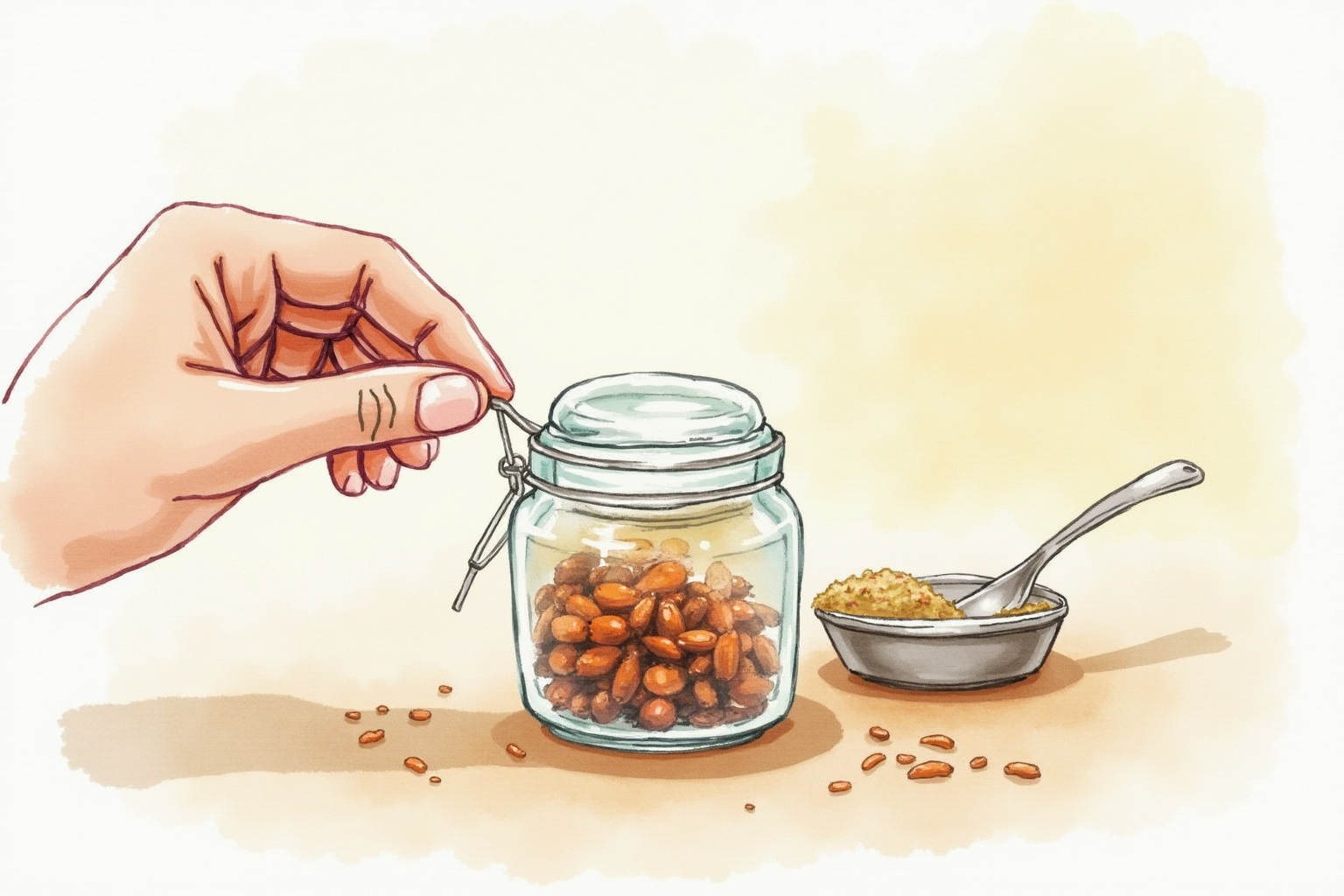
Spice freshness depends primarily on how recently the spice was harvested and processed. Specialty spice merchants typically ship spices 0-3 months from harvest; supermarket spices may be 12-18 months from harvest before they reach the shelf.
Specialty merchants (quality tier):
- Penzeys Spices: Mid-priced ($5-10/jar), wide selection, retail stores in major cities.
- Burlap & Barrel: Single-origin, direct-trade ($8-15/jar). Best for premium baking spices.
- The Spice House: Family-run since 1957, similar to Penzeys.
- Diaspora Co.: South Asian heritage spices ($10-18/jar).
Online aggregators (mid tier):
- Frontier Co-op: Bulk online ordering, organic options.
- Whole Foods (Spicely, 365 brands): Decent quality, retail price.
Supermarket (budget tier):
- McCormick, Spice Islands, Simply Organic: Acceptable for casual use, lower turnover.
The price premium for specialty merchants ($5-12 vs $3-6 supermarket) is reasonable for the freshness difference. For cooks who use a spice weekly, the upgrade is worthwhile.
Top picks for grinders and storage
Krups F203 Electric Coffee/Spice Grinder
Price · $25-40 — best budget grinder
+ Pros
- · Fast batch grinding of dry whole spices
- · Compact countertop footprint
- · Easy to clean between different spices (run with raw rice)
− Cons
- · Cannot grind wet pastes or fresh herbs
- · Inconsistent grind size — blade grinder, not burr
Price, availability, and ratings can change; verify details on the retailer page before buying.
ChefSofi Granite Mortar and Pestle
Price · $25-40 — best mortar and pestle
+ Pros
- · Heavy granite bowl provides stable grinding base
- · 5-inch diameter sufficient for spice paste or small spice batches
- · Lifetime durability with proper care
− Cons
- · Manual grinding takes more time than electric
- · Heavy at 4-5 lbs — requires permanent storage spot
Price, availability, and ratings can change; verify details on the retailer page before buying.
Weck 1/4-Liter Storage Jars (12-pack)
Price · $45-65 — best spice storage jars
+ Pros
- · Air-tight rubber gasket seals lock out moisture and air
- · Wide-mouth design easy to fill and clean
- · Aesthetic clear glass works for visible or hidden storage
− Cons
- · Glass requires care to avoid chipping
- · Need labels (sold separately) — the jars are unmarked
Price, availability, and ratings can change; verify details on the retailer page before buying.
The buying decision
For serious home cooks transitioning to whole spices, the combined setup of Krups F203 grinder ($25-40), ChefSofi mortar and pestle ($25-40), and Weck storage jars ($45-65) totals around $100. This setup handles every spice-related task in the kitchen for years.
For more selective upgrades:
- Grinder only: Krups F203 is enough for most weekly cooking. Use existing jars for storage.
- Mortar only: For cooks who do mostly fresh grinding (toasted-and-ground spices for individual recipes), the mortar suffices.
- Storage only: If you’re sticking with pre-ground spices for now, Weck jars dramatically extend their shelf life vs the original supermarket packaging.
Avoid the temptation to buy a complete spice rack with 20+ pre-filled jars. Those collections include spices you’ll never use, sit too long, and lose flavor. Build the spice cabinet around what you actually cook, restock as you go, and avoid bulk purchases of unfamiliar spices.
The spice freshness upgrade is one of the most underrated transformations of home cooking. Same recipes, same technique, fresher spices — dramatically more flavorful results. The investment is modest, the workflow change is small, and the payback is immediate.
2026 AdSense quality update: how to use this guide in a real kitchen
This section was added on 2026-06-26 after a sitewide quality review. The goal is to make Spice Storage and Freshness — 2026 Kitchen Guide more useful than a short reminder list: it should help a reader decide what to do, what to measure, and when to stop. For this topic, the main risk is that the risk usually comes from one missed handoff between shopping, prep, cooking, serving, and cleanup. The safe response is not a vague promise to “be careful”; it is to write the trigger, thermometer check, time limit, cleaning step, and discard rule before the busy part of cooking starts.
Use the guide as a kitchen workflow, not as medical advice. If someone is already ill, has a high-risk immune status, is pregnant, is an older adult, or is feeding young children, use official food-safety guidance and professional medical advice rather than experimenting with borderline food.
Decision workflow for kitchen food-safety routine
| Checkpoint | What to verify | Safer default | Evidence to keep |
|---|---|---|---|
| Before cooking | Is the ingredient cold, separated, and within date? | Start with clean hands, a clean board, and a clean tool set. | Package date, refrigerator temperature, or shopping time. |
| During prep | Can raw juices or dirty water reach ready-to-eat food? | Separate raw, cooked, and produce zones before the counter gets busy. | Which board, knife, plate, and towel were used. |
| During cooking or holding | Is there a measurable temperature or time control? | Use a thermometer, timer, shallow container, or cooler plan instead of memory. | Internal temperature, discard time, or cooling start time. |
| Serving | Will guests open, touch, or move the food repeatedly? | Serve smaller portions and refill from a controlled hot/cold source. | Time the first serving dish left the refrigerator, grill, or oven. |
| Leftovers | Do you know the time and temperature history? | Refrigerate promptly; discard when the history is unclear. | Container label with date and food name. |
| Cleanup | Could residue move to tomorrow’s food? | Wash, sanitize where appropriate, and air-dry before storage. | Tool or surface that needs a second pass. |
Three common failure scenarios
- The schedule slips. Guests arrive late, errands take longer than expected, or a storm changes the plan. When timing changes, reset the food-safety clock instead of stretching it. Move food back to controlled temperature, or write a new discard time.
- The workspace gets crowded. Phones, towels, packaging, pets, and drink cups enter the prep area. Clear one clean landing zone for ready-to-eat food and keep raw-food tools visibly separate.
- A food looks fine but the history is unknown. The dangerous version is letting convenience replace temperature, separation, or handwashing. Smell, color, and texture are not reliable safety tests. When the time/temperature history is missing, discard the food.
Household checklist
- Put a refrigerator thermometer where it can be seen without moving food.
- Keep at least one instant-read thermometer clean and easy to reach.
- Use shallow containers for dense leftovers and label the date.
- Keep raw-meat boards, produce boards, and serving platters visually different.
- Decide the discard rule before cooking begins, not after everyone is tired.
- Re-check official sources when cooking for high-risk people or large groups.
Why this page exists
Many food-safety articles repeat the same four words—clean, separate, cook, chill—without showing the handoffs where people actually fail. CookNest Daily articles now include the handoff: what to measure, what to separate, what to label, and what to discard. That is the value this page adds for readers preparing a real meal.