Work Lunch Cold-Pack Food Safety Checklist
A 2026 practical guide for packed lunches: cold packs, commute timing, office fridges, leftovers, high-risk foods, and discard rules.
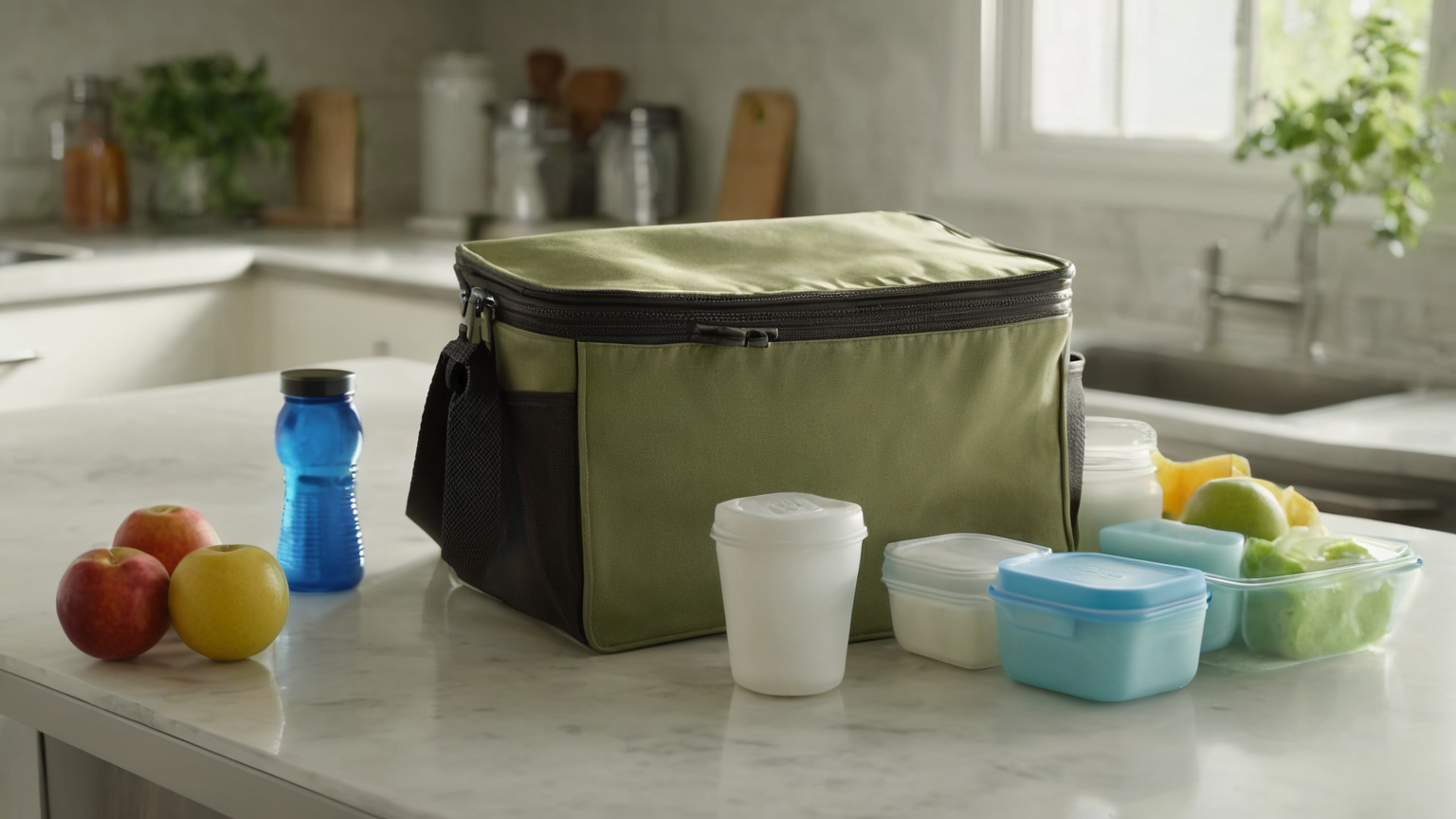
Safety fact check included
CookNest Daily articles surface source counts, timing assumptions, kitchen-test notes, and food-safety caveats. This label means editorial safety review, not a substitute for local food-code or medical guidance.
A packed lunch is only as safe as its time, temperature, and separation routine. This guide was checked on 2026-06-04 against FoodSafety.gov, USDA FSIS, CDC, and FDA resources. It is for office lunches, job-site meals, commutes, and school-adjacent adult routines where food may sit between home, a bag, a shared fridge, and a desk.
Packed-lunch decision table
| Question | Safer answer | Mistake to avoid |
|---|---|---|
| Is the food perishable? | Keep it cold with an insulated bag and cold source | Treating cooked leftovers like shelf-stable snacks |
| How long is the commute? | Pack colder and refrigerate promptly on arrival | Leaving the bag in a warm car or sunny desk area |
| Is there an office fridge? | Use it, keep containers sealed, and clean spills | Assuming a crowded fridge fixes a warm lunch |
| Who will eat it? | Be stricter for pregnancy, older adults, young children, or immune risk | Taking chances with high-risk foods |
| Are leftovers uncertain? | Discard if time or temperature history is unknown | Smelling food as the only safety test |
Start colder than you think
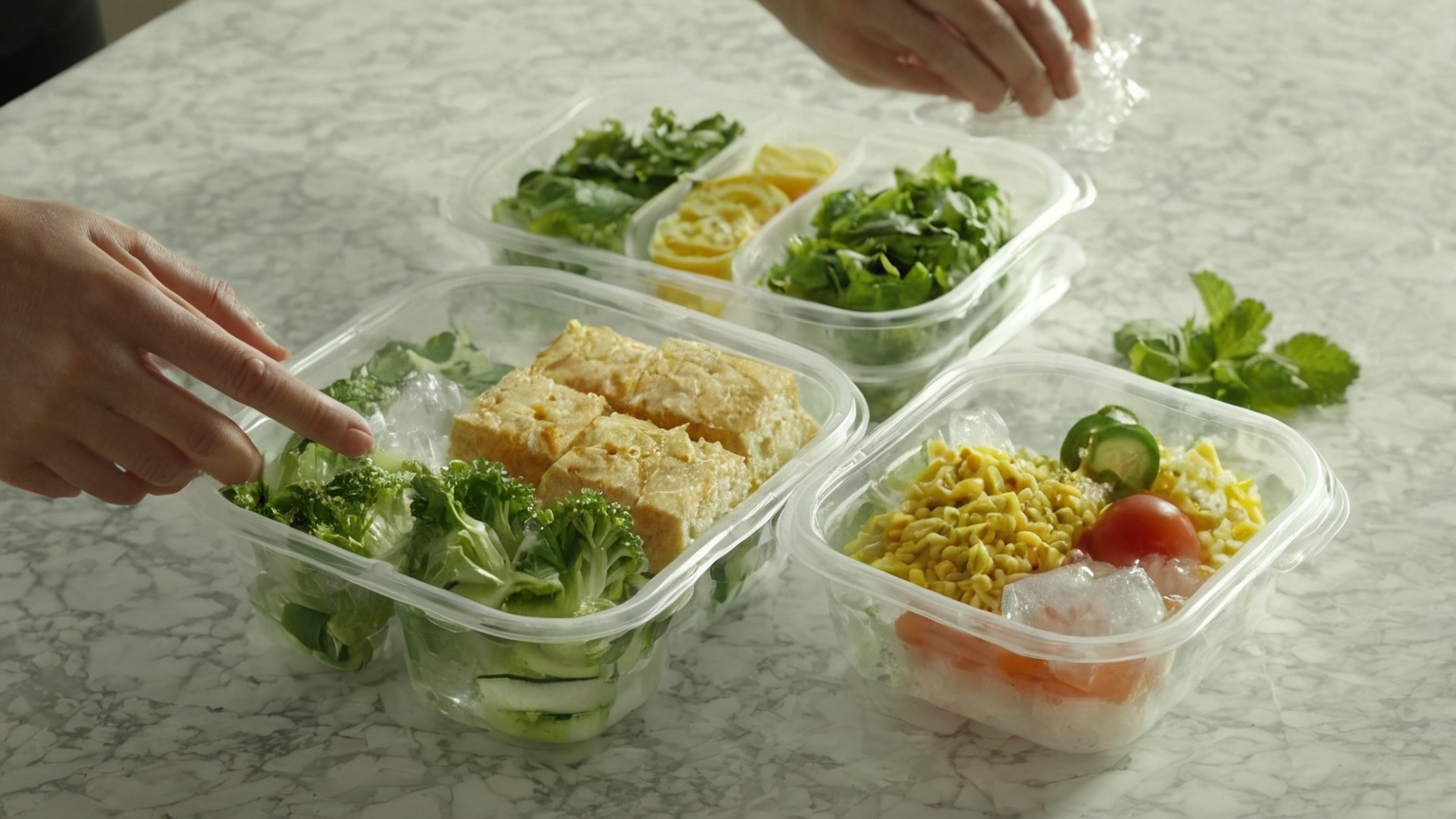
Chill leftovers in shallow containers, refrigerate overnight, and add a frozen gel pack or frozen drink when a refrigerator is not immediately available. An insulated bag slows warming; it does not make food safe indefinitely. Pack ready-to-eat foods away from anything raw or leaky, and use clean utensils.
A useful work lunch cold-pack food safety plan is not a motivational poster. It is a small system that survives heat, fatigue, schedule pressure, family interruptions, and imperfect equipment. Decide the stop rule first, keep the official source or label available, and choose the option that leaves a safety margin when the day becomes rushed.
Use the office fridge deliberately
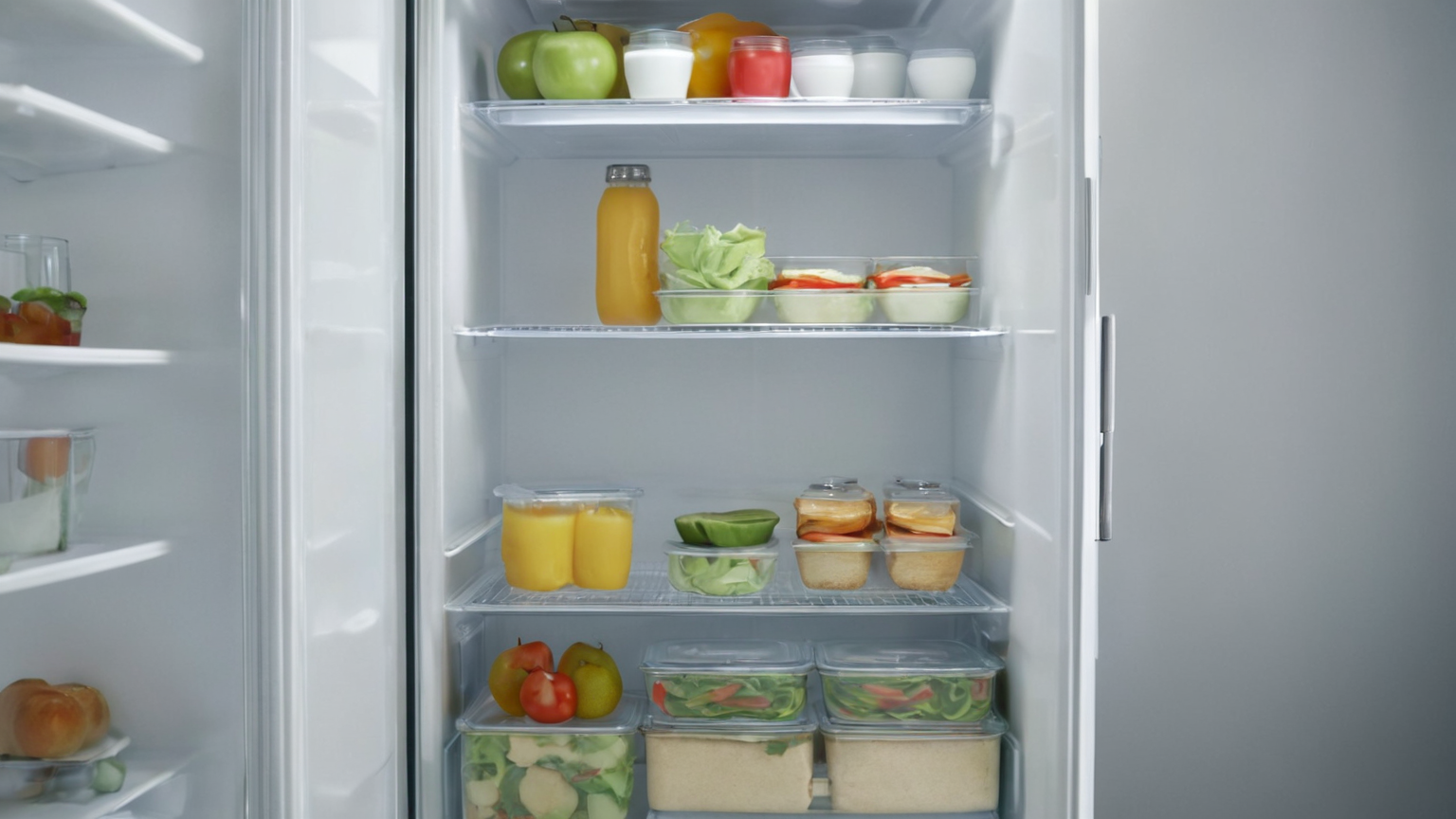
Put the lunch in the refrigerator as soon as practical, not after the morning meeting. Keep containers closed, avoid overstuffing shelves, and remove old food before it becomes a shared hazard. If the refrigerator is unreliable, crowded, dirty, or frequently opened, treat your cold pack as an important backup rather than decoration.
Choose lower-risk lunches for hard conditions
For long commutes, outdoor job sites, hot cars, or uncertain fridge access, choose foods that tolerate the conditions better. Whole fruit, shelf-stable unopened items, and packed components can be safer than mayonnaise-heavy salads, dairy, cooked rice, seafood, or meat leftovers when cold control is weak.
Reheat and serve with a clean endpoint
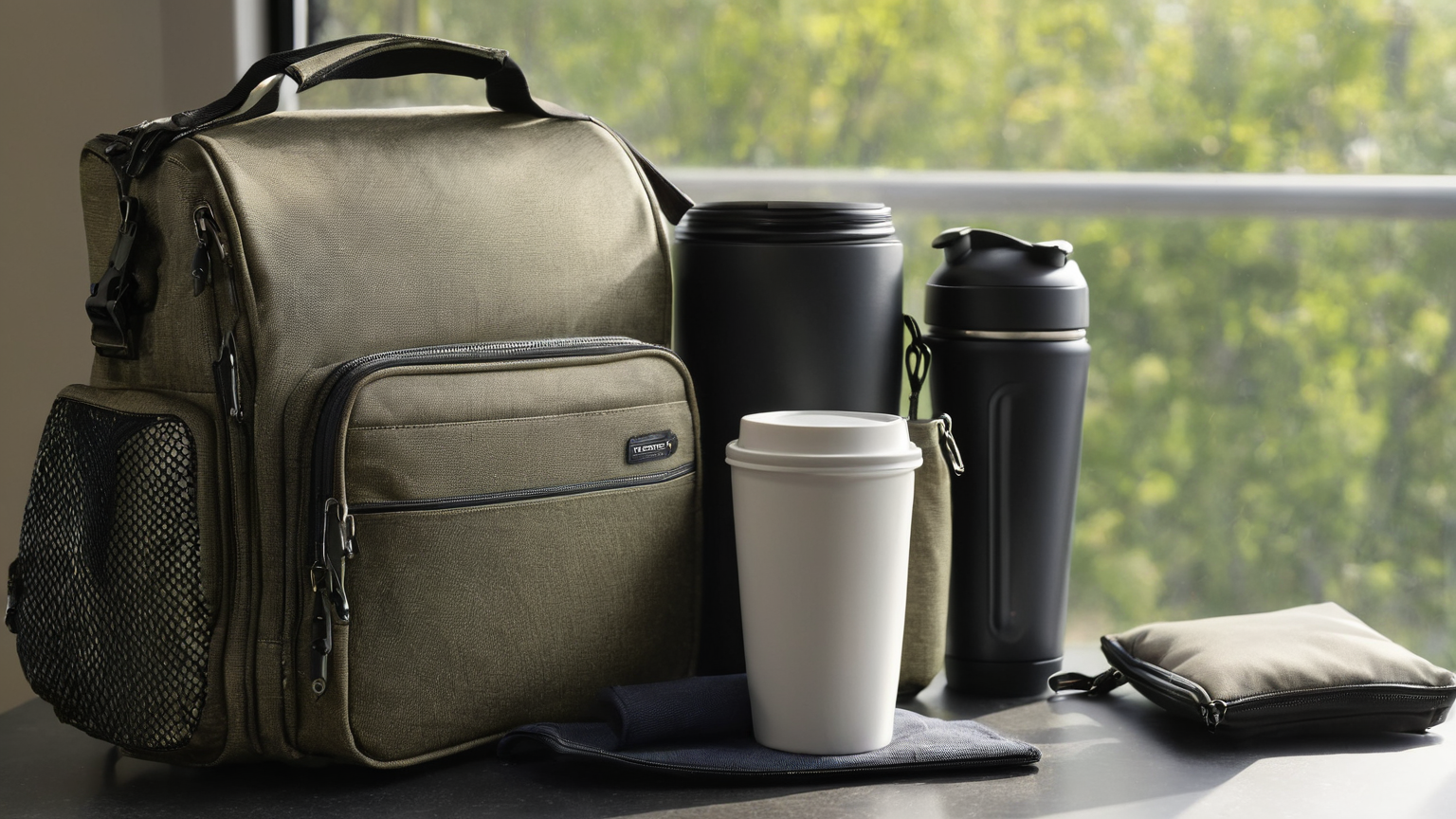
If lunch is meant to be hot, reheat thoroughly according to appliance and food-safety guidance, then eat promptly. Do not warm food halfway and leave it on the desk all afternoon. Use clean hands and utensils; desk surfaces, keyboards, phones, and shared microwaves can undo careful packing.
Leftovers need a deadline
Taking leftovers back home after a long day is risky when the cold chain is unknown. If food sat out, warmed in a bag, or moved between fridge and desk without a clear timeline, discard it. Foodborne illness risk is not reliably visible or smellable.
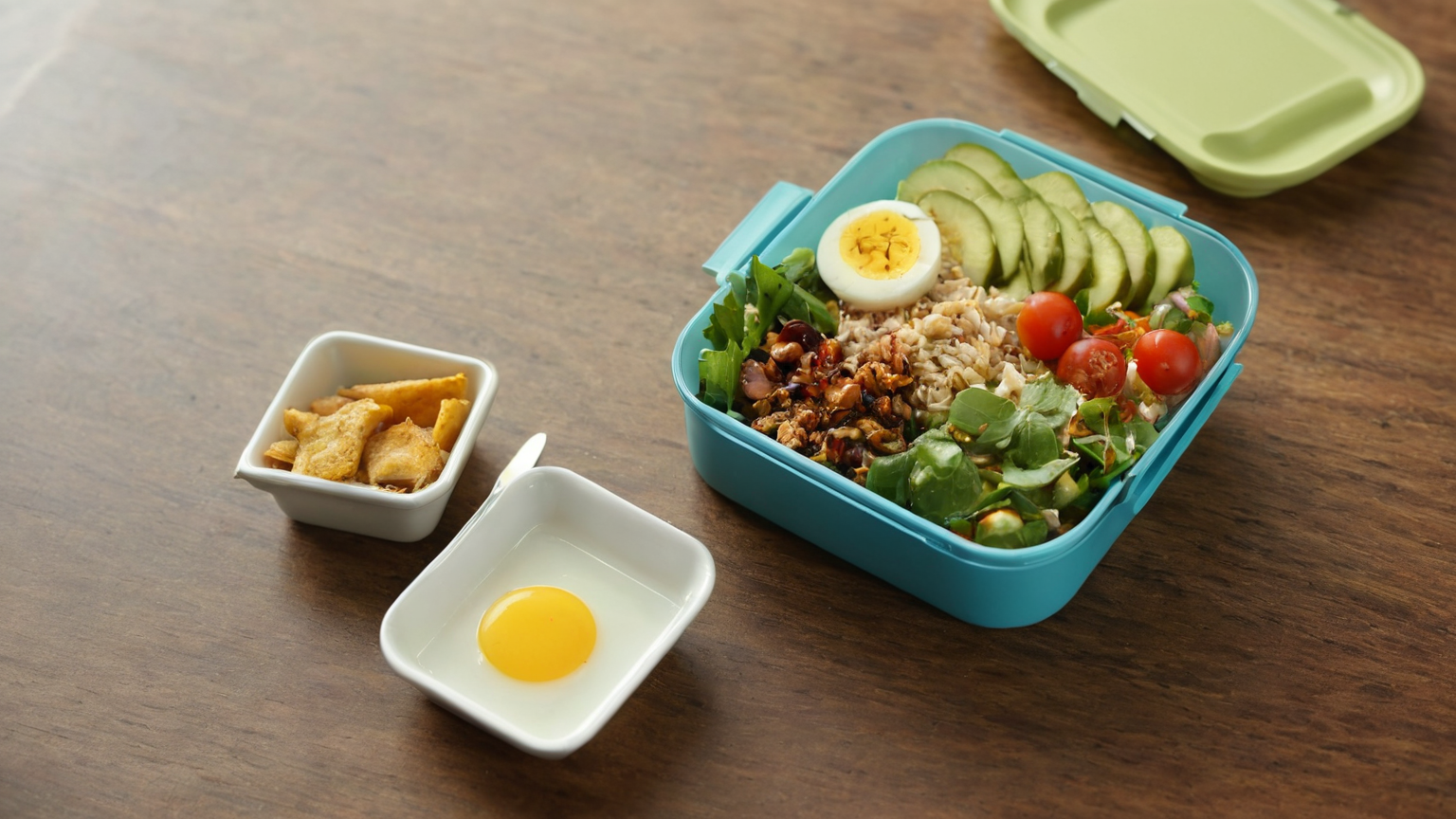
Cold-pack lunch checklist
- Chill cooked food in shallow containers before packing.
- Use an insulated bag plus a frozen gel pack for perishable foods.
- Refrigerate promptly at work when available.
- Keep raw or leaky foods away from ready-to-eat items.
- Serve small portions and return extras to cold storage quickly.
- Discard uncertain leftovers, especially for higher-risk eaters.
Example decision
A commuter packs chicken, rice, and cut fruit in sealed containers with a frozen gel pack. The bag goes into the office fridge on arrival. After lunch, the half-eaten container that sat on the desk through meetings is discarded instead of becoming tomorrow’s lunch.
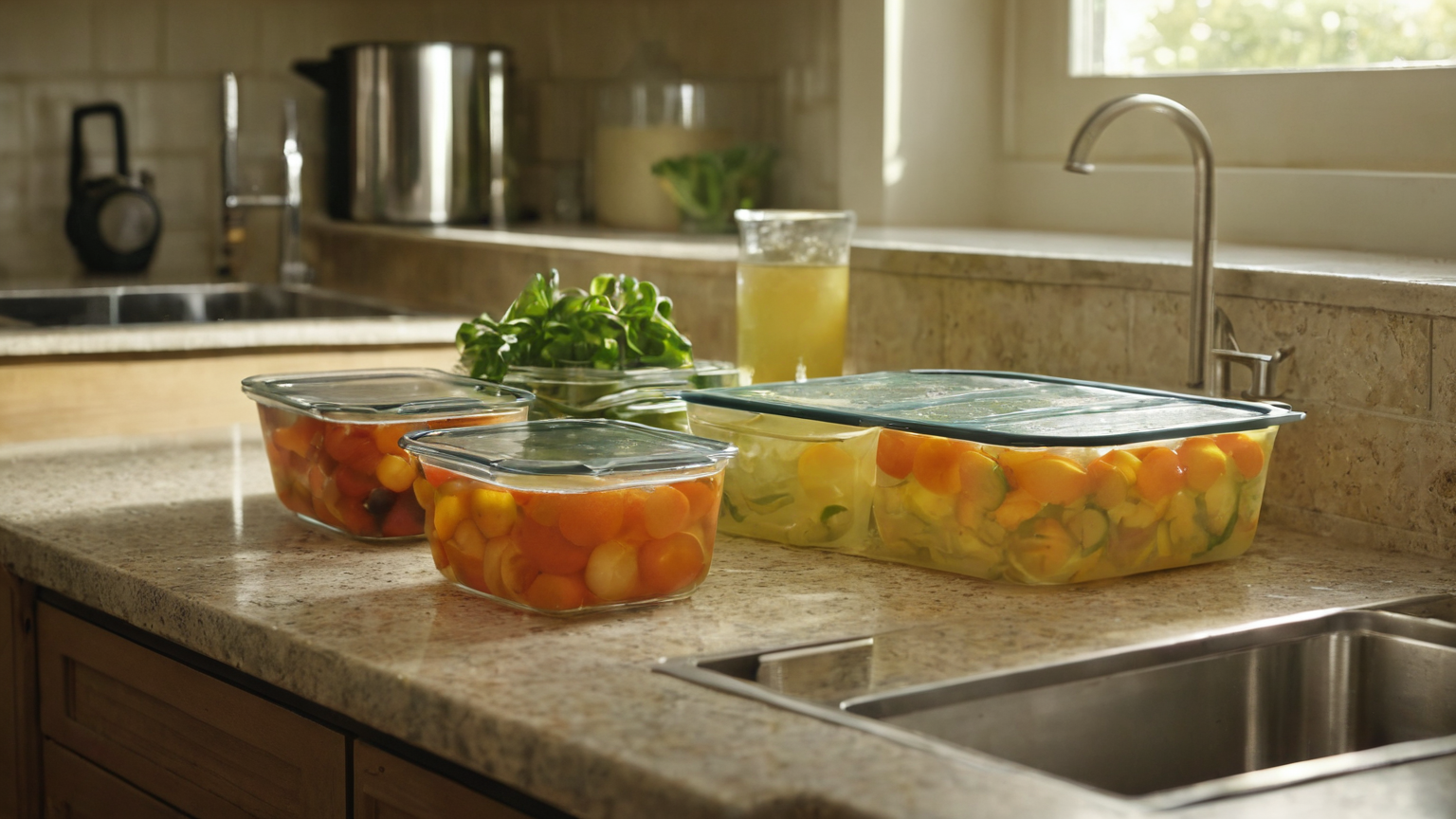
Build a cold lunch that survives a real workday
Start by choosing foods that still taste good when kept cold and do not require risky room-temperature holding. Grain bowls, pasta salads, yogurt cups, hard-cooked eggs, cut fruit, cheese portions, and cooked proteins can work when they are chilled quickly, packed with enough cold mass, and moved to refrigeration when available.
| Workday constraint | Safer packing move | Why it helps |
|---|---|---|
| Long commute | Use two frozen gel packs, one above and one below | Cold air sinks, and the top pack protects the warmest layer |
| Shared office fridge | Keep lunch sealed in a labeled container | Reduces spills and cross-contact from other foods |
| No fridge until noon | Use a real insulated bag and skip fragile leftovers | Buys time without pretending ice packs last forever |
| Reheating at work | Reheat only the hot portion and keep salad/crunch separate | Avoids lukewarm mixed meals and soggy texture |
Do not pack a lunch as a science experiment. If the bag sits in a hot car, at a sunny desk, or in a locker longer than expected, discard high-risk foods instead of tasting to decide. Many foodborne pathogens do not announce themselves with smell.
Prep-night and morning routine
The night before, cool cooked foods in shallow containers, refrigerate them uncovered briefly if steam is trapped, then cover once cold. In the morning, load the lunch bag straight from the refrigerator and add frozen packs last. Keep drinks separate if opening the bag repeatedly would let warm air into the food compartment.
For children, older adults, pregnant people, and anyone immunocompromised, use a stricter plan: avoid loosely chilled leftovers, choose factory-sealed single-serve items when appropriate, and make the discard rule easier than the rescue rule. For mixed households, label the safer lunch clearly so it is not swapped accidentally.
Example lunch builds by risk level
A lower-risk cold lunch might be a sealed yogurt, whole fruit, hard cheese, crackers, and vegetables packed with two frozen gel packs. It still needs cold holding, but it is simpler than a container of yesterday’s chicken and rice that has already spent time cooling, reheating, and being opened. A moderate-risk lunch could be a grain bowl with fully cooked protein, packed cold in shallow containers and moved to a fridge as soon as possible. A higher-risk lunch is anything with seafood, creamy dressings, warm leftovers, or cut melon left in a bag without enough cold mass.
For a worker who drives between job sites, the best answer may be a smaller cooler rather than a soft lunch tote. Keep the cooler out of direct sun, pre-chill it, and avoid opening it for drinks all morning. If the lunch must sit in a vehicle during summer, choose shelf-stable items or buy food close to the meal time instead of gambling with leftovers.
For offices, the shared fridge is only helpful when people use it well. Put the lunch in a sealed container, do not block airflow, clean spills immediately, and remove old food before it becomes a community hazard. If the fridge is visibly overloaded or not cold, use an inexpensive refrigerator thermometer and report the problem rather than assuming the appliance is doing its job.
Texture, taste, and safety can work together
Food safety advice fails when it creates lunches nobody wants to eat. Pack crisp ingredients separately from wet ingredients, keep sauces in small containers, and add crunchy toppings after reheating or right before eating. If a meal tastes better cold, such as a noodle salad or bean salad, you are less likely to hold it at a lukewarm desk while waiting for a microwave.
Quick self-audit before you act
Before following the plan, ask four questions. Is the source current for today or this season? Does the advice match the people actually affected, including children, older adults, pets, medical needs, rental limits, or workplace constraints? Is there a lower-risk option that still achieves the main goal? Finally, what would make you stop and choose professional, emergency, or official local guidance instead of continuing?
Use the answer to choose a conservative path when uncertainty is high. A checklist is useful only when it reduces rushed decisions; it should never override symptoms, official warnings, product labels, local rules, or common sense. If conditions change after you start, pause and reassess rather than defending the original plan.
AdSense-readiness and reader trust notes
The article keeps affiliate pressure out of a safety topic and cites current public-health or extension sources. It supports AdSense readiness by giving practical household guidance, transparent limitations, and a clear disclaimer rather than recipe filler. A future improvement is a printable “pack, chill, reheat, discard” card linked from related food-safety posts.
FAQ summary
A safe packed lunch depends on cold starts, cold storage, clean serving, and honest discard decisions. The more uncertain the temperature history, the simpler and lower-risk the menu should be.