Cutting Board Cross-Contamination: A Practical Kitchen Safety System
USDA, FDA Food Code, CDC, and extension guidance for separating, cleaning, sanitizing, and replacing cutting boards at home.
Safety fact check included
CookNest Daily articles surface source counts, timing assumptions, kitchen-test notes, and food-safety caveats. This label means editorial safety review, not a substitute for local food-code or medical guidance.
A cutting board is not just a surface. It is a traffic intersection for raw meat juices, ready-to-eat produce, bread, knives, towels, hands, and storage containers. Most home kitchens do not fail because a cook lacks a premium board; they fail because the workflow lets raw protein touch something that will not be cooked again. This guide builds a simple system around separation, cleaning, drying, and replacement.
Quick decision rule: make raw animal foods the only thing that moves last. Prep produce first or use a dedicated raw-meat board, then wash hands, tools, counters, and towels before anything ready-to-eat returns to the station.
Separate by risk, not by color alone
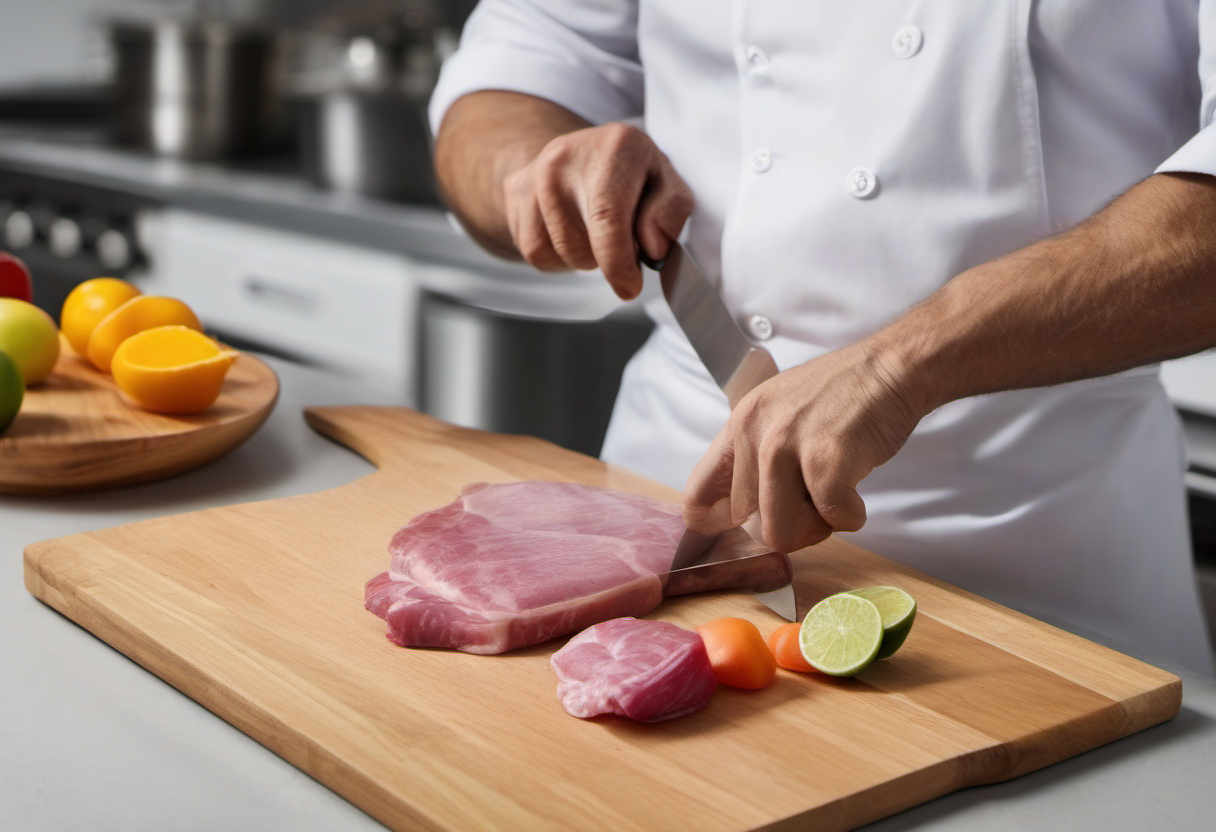
Color-coded boards are helpful only if everyone in the kitchen understands the rule. The risk categories are clearer: ready-to-eat foods, raw meat and poultry, raw seafood, and allergen-heavy tasks such as nuts if your household needs that boundary. A green board is not magic if it is stored wet against the raw-meat board or grabbed by a guest who does not know the system.
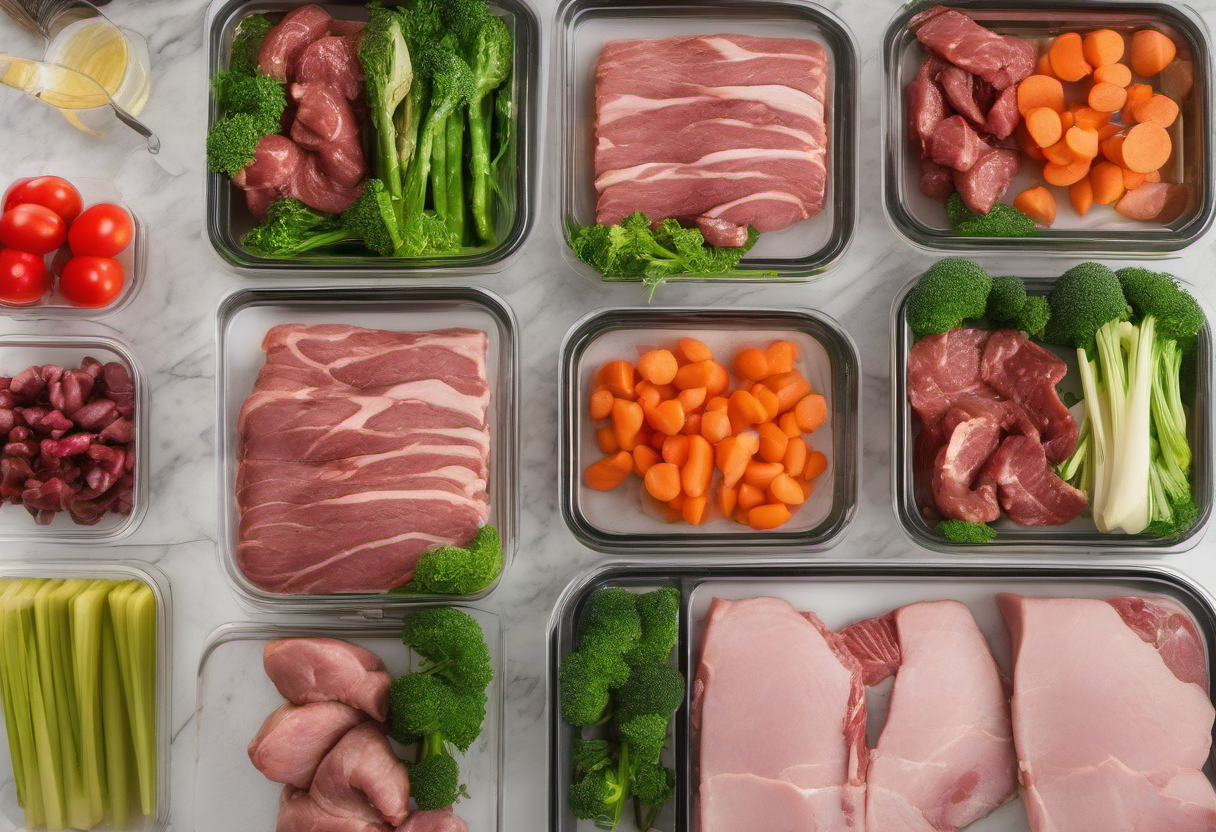
For most homes, two boards are the minimum: one for ready-to-eat foods and one for raw animal foods. A third small board for onions, garlic, or allergens can improve quality and reduce confusion. If space is tight, prioritize a dedicated raw-meat board that is easy to wash thoroughly and a produce board that never sees raw juices.
Sequence is a safety tool
The cleanest board system still fails if the meal sequence is chaotic. Start with foods that will be eaten raw: salad greens, fruit, herbs, bread, and garnishes. Move them to clean containers and put them away. Then prep vegetables that will be cooked. Save raw poultry, meat, and seafood for the end, or use a physically separate station. After raw proteins, wash hands, knife, board, faucet handles if touched, and any counter area that may have received splashes.
This ordering prevents the most common mistake: chopping herbs on a board that just held raw chicken because dinner is moving fast. It also reduces sink congestion. A board that goes straight from raw poultry to a crowded sink can drip across dishes, sponges, and clean utensils. Treat the path from counter to sink as part of the system.
Cleaning is mechanical before it is chemical
Soap, hot water, and friction do the first job. Scrape food debris, wash both sides and edges, and pay attention to grooves near the cutting zone. Sanitizer is not a substitute for removing soil; organic matter can shield microbes from the chemical step. If you use a dishwasher-safe board, place it where spray can reach the surface and check that heat does not warp it.
Sanitizing may be useful after raw meat, poultry, or seafood, especially when the board is plastic and heavily used. Follow current product labels or public-health dilution guidance rather than guessing with a splash of bleach. More chemical is not better if it damages the board, leaves residue, or creates fumes. Rinse when the sanitizer instructions require it and always dry the board fully before storage.
Drying and storage matter more than most cooks think
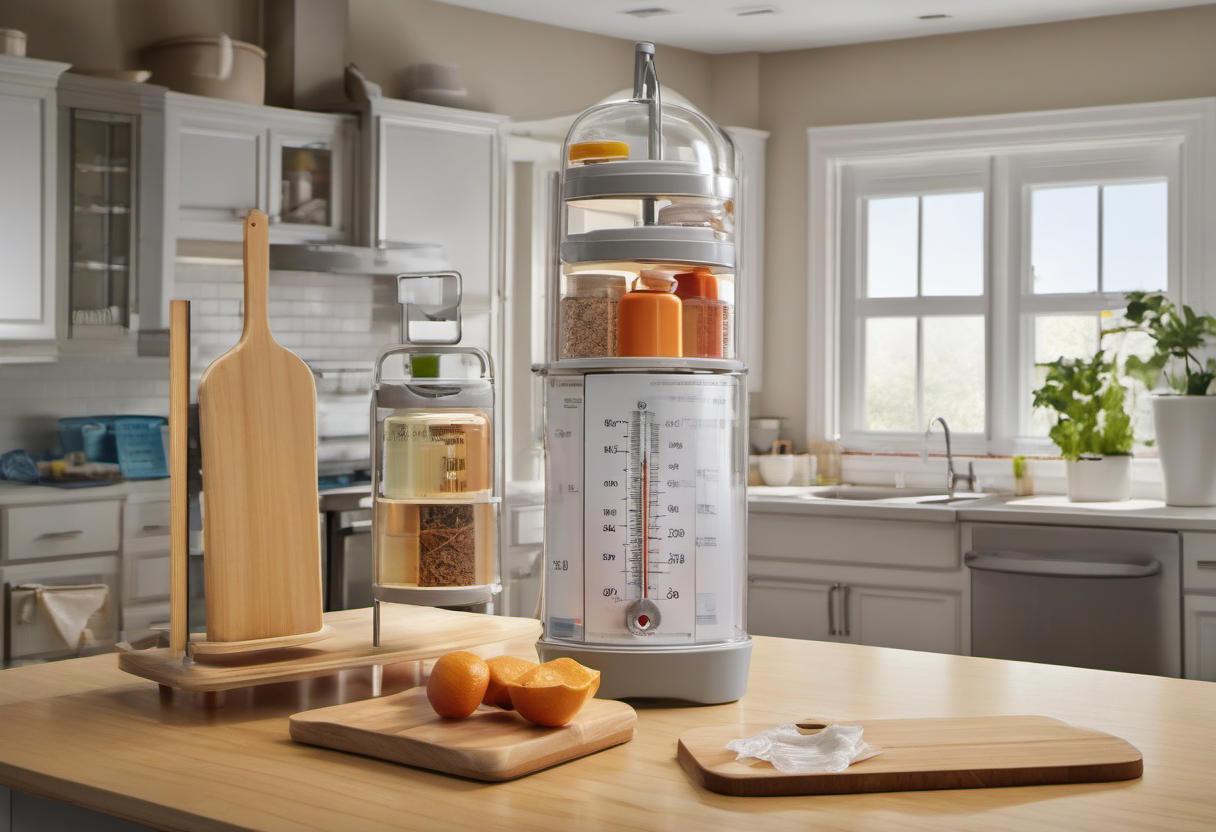
A clean board stored wet in a dark stack is not finished. Stand boards upright with air space, or place them in a rack that lets both sides dry. Do not trap a damp towel under a board. Do not store a raw-meat board touching the produce board if one edge is still wet. Drying is also why huge boards can be inconvenient in small apartments: if the board does not fit in the sink or drying rack, the owner is less likely to wash it correctly.
Wood boards need maintenance, but maintenance is not a food-safety loophole. Keep them smooth, dry, and free of deep cracks. Plastic boards are convenient because many can go through the dishwasher, but they eventually develop knife grooves that are difficult to clean. Neither material wins forever; the safer board is the one your household cleans and replaces at the right time.
Replacement rules
Replace a board when it has deep grooves, cracks, warping, persistent odors, soft spots, or stains that remain after proper cleaning. A board used for raw poultry every week will age faster than a bread board. If the knife catches in grooves or the surface looks fuzzy, it is no longer a smooth cleanable surface. The cost of replacement is small compared with the cost of a foodborne illness episode.
Do not keep old boards as “backup raw boards” unless they can still be cleaned. That habit creates a hidden high-risk tool. Retire unsafe boards completely, or repurpose them outside food prep if appropriate.
Towels, sponges, and hands are part of the board system
Cross-contamination often travels by towel. A cook wipes raw-chicken juice, rinses hands briefly, then dries on the same towel used for clean dishes. Use disposable towels or a designated dirty towel during raw-meat prep, then move it to laundry. Sponges should not be the final authority for raw-meat cleanup; they can spread contamination if not managed carefully. Hands need the same sequencing rule as boards: wash thoroughly after raw foods and before touching handles, phones, spice jars, or salad bowls.
A one-page checklist
| Step | What to do | Decision trigger |
|---|---|---|
| Separate | Keep raw animal foods on a dedicated board | If a ready-to-eat food touches it, treat the food as contaminated |
| Sequence | Prep raw proteins last when possible | If dinner is rushed, pause and reset the station |
| Clean | Scrub both sides and edges with hot soapy water | If grooves hold debris, replace the board |
| Dry | Store upright with airflow | If boards touch while damp, change storage |
What to buy and what not to buy
Buy boards that fit your sink, dishwasher if used, and storage rack. A giant board that never gets fully washed is worse than a modest board used correctly. Non-slip feet or a damp towel under the board can reduce knife slips, but the towel must be laundered after raw-protein work. Skip novelty boards with decorative seams, deep juice channels that are hard to scrub, or tiny boards that encourage overcrowding.
The safest system is boring: visible separation, predictable sequence, complete cleaning, full drying, and no sentimental attachment to worn surfaces. Once that system is automatic, the material debate becomes less important than the habits that keep raw juices away from foods that will not be cooked again.
Special cases: raw poultry, seafood, and produce with soil
Raw poultry deserves the most conservative workflow because juices spread easily and the board often shares space with packaging, shears, marinades, and sink handles. Open packaging inside a rimmed tray when possible, move the poultry directly to its cooking vessel or dedicated board, and discard packaging before touching other tools. If you trim pieces, put the knife and board into the cleaning path immediately rather than leaving them beside salad ingredients.
Seafood has a different quality problem: odors linger and delicate flesh leaves residue in grooves. A dedicated seafood board can be useful for households that cook fish often, but the same rules apply. Wash, sanitize when appropriate, dry fully, and replace when the surface no longer feels clean. For produce with visible soil, rinse under running water before cutting so dirt on the peel is not dragged through the interior by the knife.
How to teach the system to guests and family
A food-safety system must survive busy dinners and helpers. Store the raw board in a predictable place and make the ready-to-eat board visually different. If you host often, explain the rule before prep begins: this board is for foods we will not cook again; that board is for raw meat only. Simple verbal labels beat complicated color codes when guests are moving quickly.
Children and new cooks should learn the reset step: when in doubt, stop, move food away, wash hands, wash the station, and get a clean board. The reset may feel slow, but it is faster than trying to remember where raw juices traveled. A kitchen that encourages reset behavior is safer than one that rewards rushing.
Marinades, plates, and the board-adjacent mistakes
The board is not the only risk. Never reuse marinade that touched raw meat unless it is boiled according to safe-food guidance and appropriate for the recipe. Do not return cooked food to the plate that carried raw food. Keep tongs separated or wash them before they touch finished food. These habits belong in the same workflow because they often happen within arm’s reach of the cutting board.