Induction Cookware Buying Guide 2026: Stainless, Cast Iron, Nonstick
How to choose induction-ready cookware by magnet response, base geometry, heat behavior, coating risk, and the few pieces worth buying first.
Safety fact check included
CookNest Daily articles surface source counts, timing assumptions, kitchen-test notes, and food-safety caveats. This label means editorial safety review, not a substitute for local food-code or medical guidance.
Buying cookware for an induction cooktop is not the same as replacing pans for gas or radiant electric. Induction heats the pan by creating an electromagnetic field under the glass. The pan itself becomes the heat source. That makes induction fast, efficient, and responsive, but only when the cookware has the right magnetic base, stable contact area, and geometry.
The mistake is treating the label “induction compatible” as a finish line. It is only the first filter. Two pans can both technically work on induction while behaving very differently: one boils quickly but scorches sauce at the center, another heats evenly but responds slowly, and a third buzzes loudly because the magnetic disk is thin or poorly bonded. This guide explains what to check before buying, which materials make sense, and how to build a small set that covers most home cooking without wasting money.
1. Induction Compatibility Starts With Magnet Strength
The simplest test is still the best: put a refrigerator magnet or small neodymium magnet on the flat cooking-surface side of the base. If the magnet sticks firmly across the base, the pan is likely induction-ready. If it barely clings, sticks only at the rim, or falls off the center, do not assume the pan will perform well.
Induction cooktops need ferromagnetic material to couple with the electromagnetic field. Cast iron and many magnetic stainless steels work. Plain aluminum, copper, glass, and ceramic do not. Manufacturers can make aluminum or copper pans induction-ready by bonding a magnetic stainless disk to the bottom, but that disk must be wide enough, flat enough, and thick enough to transfer heat evenly.
A strong magnet does not guarantee a perfect pan, but a weak magnet is a warning sign. Weak bases often show three problems: slower heat-up, a smaller hot zone than the pan diameter suggests, and occasional cooktop detection errors on small burners.
2. Base Shape Matters More Than Marketing Claims
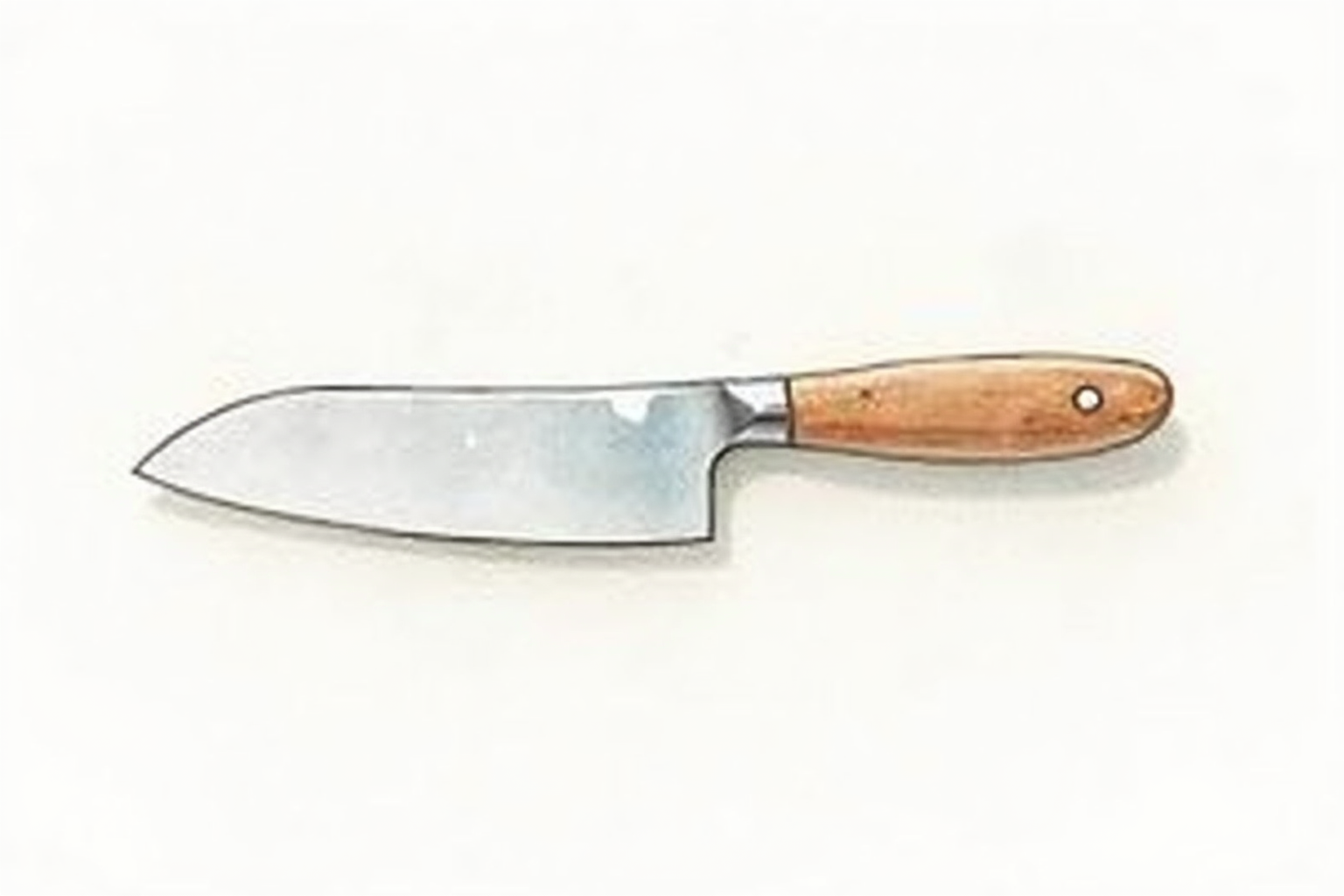
Induction works best when the pan sits flat on the glass. A warped base reduces contact stability and can create uneven heating. It may also make the pan rock when stirring, which is annoying on a smooth cooktop. Before buying in person, place the pan on a flat shelf and press the rim lightly from different sides. If it rocks, skip it. For online purchases, read low-star reviews for words like “warped,” “spins,” “convex,” “buzzing,” or “doesn’t work on induction.”
The base diameter also matters. A 12-inch skillet with a 7-inch magnetic disk will not cook like a true 12-inch induction pan. The food near the wall of the pan may lag behind while the center overheats. This is especially common in cheaper nonstick pans with a small induction plate bonded to the bottom.
For skillets, look for a magnetic base that covers most of the flat cooking surface. For saucepans, prioritize thick bases and straight contact. For stockpots, match the pot to the burner size because very large pots can have cold edges on small induction zones.
3. Fully Clad Stainless Is the Best Default
If you are building an induction set from scratch, start with stainless steel rather than a giant nonstick set. A fully clad stainless pan usually has stainless exterior layers around an aluminum or copper core. The magnetic stainless exterior couples with induction, while the conductive core spreads heat. That combination is useful for searing, pan sauces, sautéing vegetables, and general weeknight cooking.
The benefit is durability. Stainless has no coating to baby, no seasoning to maintain, and no problem with metal utensils. It can go from stovetop to oven in most designs, and it tolerates higher heat than nonstick. The tradeoff is technique: proteins need adequate preheating, oil, and patience before release. If you are used to disposable nonstick, stainless has a learning curve.
A practical first purchase is a 10- or 12-inch fully clad skillet with a comfortable handle and a flat, magnetic base. Avoid oversized sets until you know which pieces you actually use. Most households use the skillet and saucepan constantly while the specialty pieces sit idle.
4. Cast Iron Is Powerful but Not Always Convenient
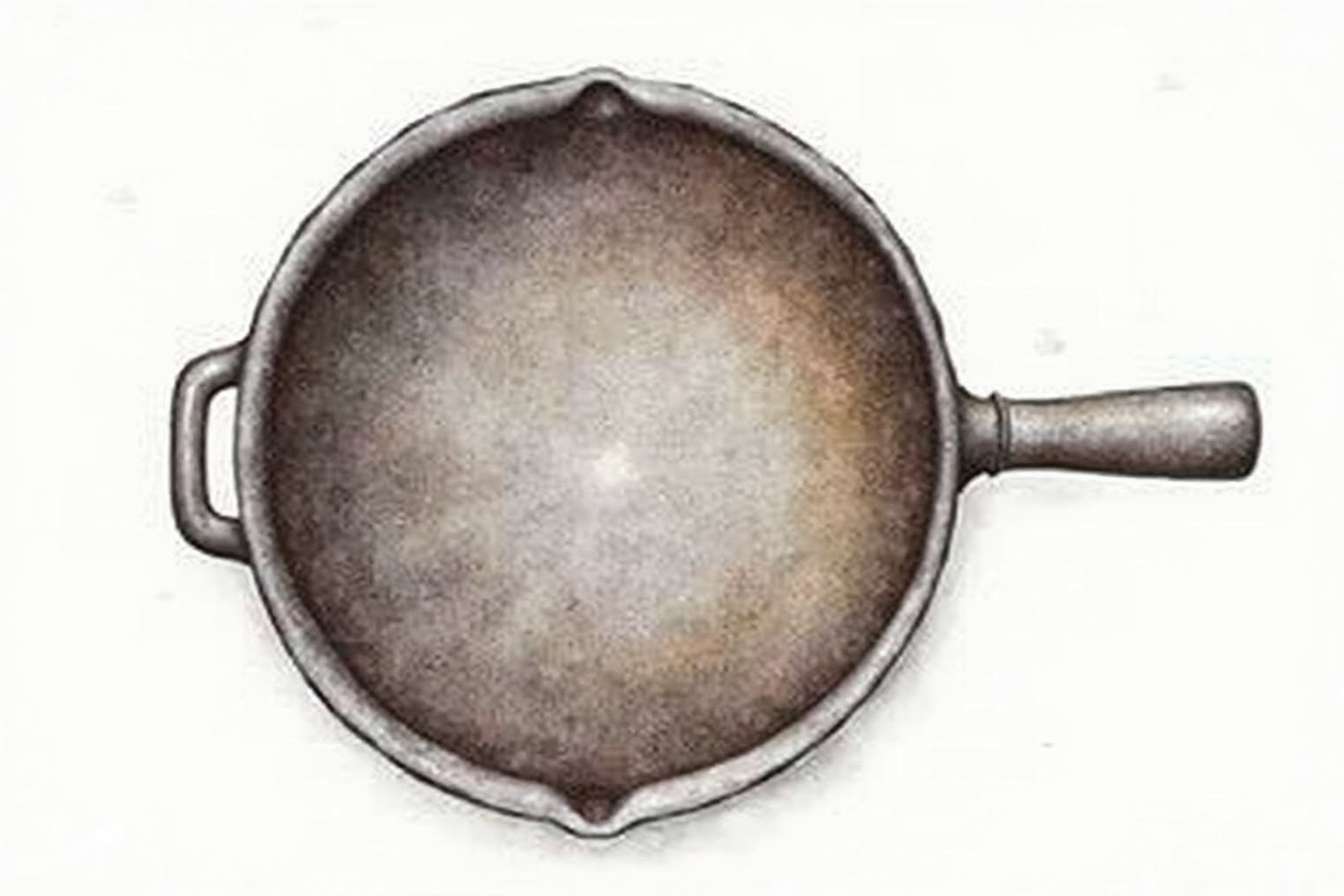
Cast iron is naturally induction-friendly because it is strongly magnetic. It is excellent for steak, cornbread, smash burgers, roasted vegetables, and any task where heat retention matters. Enameled cast iron Dutch ovens are also excellent on induction for braising, soups, beans, and bread.
The drawback is responsiveness. Induction can change power quickly, but cast iron changes temperature slowly because it stores a lot of heat. If a cast-iron skillet gets too hot, lowering the setting will not immediately fix the problem. You may need to move the pan off the burner. Cast iron can also scratch glass if dragged, so lift it rather than sliding it.
Bare cast iron also needs seasoning maintenance. Seasoning is not mysterious: it is a thin polymerized oil layer that improves release and rust resistance. Wash gently, dry thoroughly, and wipe with a tiny amount of oil when needed. Enameled cast iron removes most seasoning work, but it costs more and can chip if abused.
5. Nonstick Should Be a Specialty Pan, Not the Whole Set
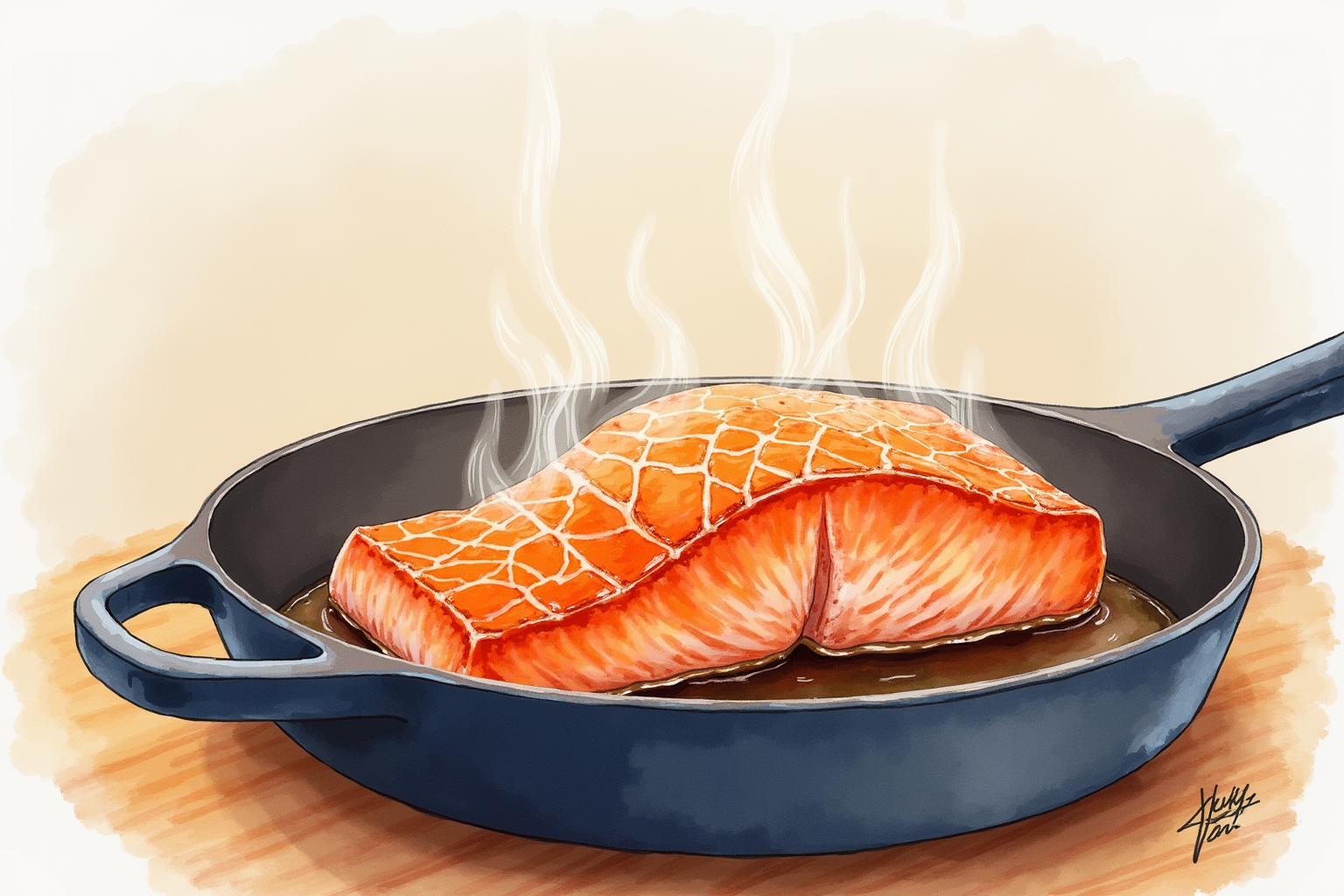
Induction-ready nonstick pans are useful for eggs, pancakes, delicate fish, and low-fat cooking. But nonstick coatings are consumable. Even careful users eventually replace them. That makes a full premium nonstick set poor value for most kitchens.
The safer strategy is to own one affordable induction-compatible nonstick skillet and treat it as a delicate tool. Do not preheat it empty on high. Do not use it for steak searing. Avoid metal utensils. Replace it when the coating is scratched, flaking, or losing release. For high heat, use stainless steel, carbon steel, or cast iron.
Modern regulatory language around food-contact substances can be confusing, especially with PFAS-related claims. For buyers, the practical standard is simple: prefer reputable brands with clear coating information, temperature limits, and warranty terms. Be skeptical of vague “non-toxic” claims that do not identify the coating system or care limits.
6. Carbon Steel Is the Middle Ground
Carbon steel deserves a place in the conversation. It behaves like a lighter, more responsive cousin of cast iron. It can develop a slick seasoning layer, handle high heat, and work well on induction when the base is flat and magnetic. It is excellent for stir-fry style cooking, crepes, omelets after seasoning, and quick searing.
The caution is warping. Thin carbon-steel pans can warp on powerful induction burners if blasted at high heat from cold. Preheat gradually, especially on boost settings. Choose a pan with enough thickness to stay flat, and check whether the manufacturer specifically supports induction.
Carbon steel is not maintenance-free. Acidic sauces can strip seasoning, wet storage can rust, and dishwashers are a bad idea. If you like low-maintenance cookware, stainless is easier. If you enjoy building seasoning and want high heat performance with less weight than cast iron, carbon steel is useful.
7. The Small Induction Set That Covers Most Cooking
You do not need a 12-piece set. A tighter set usually performs better and costs less:
| Piece | Best material | Why it matters |
|---|---|---|
| 10- or 12-inch skillet | Fully clad stainless | Searing, sautéing, pan sauces, everyday cooking |
| 3- to 4-quart saucepan | Stainless with thick base | Rice, grains, oatmeal, sauces, reheating |
| 5- to 7-quart Dutch oven | Enameled cast iron or stainless | Soups, braises, beans, bread, batch cooking |
| 8- or 10-inch nonstick skillet | Induction-ready nonstick | Eggs and delicate foods only |
| Optional carbon-steel skillet | Medium-heavy carbon steel | High heat, stir-fry style cooking, seasoned release |
This set avoids the common trap of buying many mediocre pieces. Put the budget into the pans that touch heat daily. Add specialty cookware only after a real cooking pattern emerges.
8. Burner Size and Boost Settings Change the Result
Induction burners vary in coil size and power. A pan that works beautifully on a large front burner may be uneven on a small rear burner. Match the pan base to the burner zone whenever possible. Oversized pans on small coils heat the center first; undersized pans on large zones may fail detection or cycle oddly.
Boost settings are useful for boiling water, but they are not the right default for empty pans. Rapidly heating an empty pan can warp thinner cookware, overheat nonstick, and create smoke before food is ready. Use boost for water-heavy tasks. For skillets, preheat gradually and learn the settings that correspond to low, medium, and high on your specific cooktop.
The U.S. Department of Energy notes that induction transfers energy directly to compatible cookware and stops heating when the pan is removed. That responsiveness is the advantage. Good cookware lets you use it; poor cookware turns it into hot spots and noise.
9. Noise, Buzzing, and Clicking: What Is Normal?
Some induction noise is normal. You may hear a faint hum, tick, or fan sound. Thin magnetic disks, lightweight pans, and high-power settings can amplify buzzing. Layered cookware may also make subtle sounds as magnetic fields interact with the base.
Noise alone does not mean the pan is unsafe. But loud buzzing paired with poor boiling performance usually means the base is not ideal. If multiple pans are quiet and one pan is loud, blame the pan. If every pan buzzes loudly on one burner, check the cooktop manual and power level.
Lids and loose handles can also vibrate. Tighten screws, use a heavier lid, or reduce power once the pan is hot. Induction rarely needs the maximum setting after preheating.
10. Buying Checklist Before You Click
Use this checklist for every induction cookware purchase:
- The product page explicitly says induction compatible.
- The base is magnetic across most of the flat cooking area.
- Reviews do not repeatedly mention warping, spinning, buzzing, or detection failures.
- The pan size matches your cooktop burner sizes.
- Nonstick listings disclose care limits and temperature guidance.
- Handles are oven-safe to the temperature you actually need.
- Replacement lids, warranty terms, and return policy are clear.
- The piece fills a real cooking job, not just a gap in a set.
For stainless, prioritize fully clad construction or a thick, well-bonded base. For cast iron, prioritize flatness and a comfortable lifting grip. For nonstick, prioritize replaceable value over prestige. For carbon steel, prioritize thickness and induction-specific support.
Recommended Decision Path
Start with stainless, add cast iron for heat retention, and keep nonstick limited. If you already own pans, test them with a magnet before replacing anything. Many stainless saucepans and cast-iron pieces will work immediately. Replace only the pieces that fail the magnet test or perform poorly on your actual burners.
The best induction cookware is not the most expensive set. It is the set with flat magnetic bases, predictable heat behavior, and pieces you use every week. Buy fewer pans, choose better bases, and let the cooktop’s responsiveness do the work.
FAQ
How do I know if a pan works on induction?
Use the magnet test on the base. A strong, broad hold is a good sign. Then check whether the pan sits flat and whether the magnetic area covers most of the cooking surface.
What cookware should I buy first for induction?
Buy a fully clad stainless skillet, a stainless saucepan, and a Dutch oven before buying a large set. Add one nonstick skillet for eggs if needed.
Is cast iron better than stainless steel on induction?
Neither is universally better. Cast iron is excellent for retaining heat; stainless is more responsive and easier for sauces, sautéing, and daily cooking.
Can aluminum or copper cookware work on induction?
Only if it has a magnetic induction-ready base. Plain aluminum and copper do not couple with induction fields.
Are induction-ready nonstick pans safe?
They are reasonable for low- to medium-heat tasks when used within the manufacturer’s limits. Avoid empty high-heat preheating and replace damaged coatings.