Meal Prep Food Safety 2026: Temperatures, Cooling, Storage, Reheating
A practical meal prep food safety guide covering thermometer use, two-stage cooling, fridge storage, reheating, leftovers, and high-risk foods.
Safety fact check included
CookNest Daily articles surface source counts, timing assumptions, kitchen-test notes, and food-safety caveats. This label means editorial safety review, not a substitute for local food-code or medical guidance.
Meal prep fails in two very different ways. One failure is culinary: dry chicken, soggy vegetables, or lunches nobody wants by Wednesday. The other is safety: food spends too long in the temperature danger zone, cools too slowly, gets stored in deep containers, or is reheated unevenly. The safety failure is easier to prevent because the rules are concrete.
This guide focuses on home meal prep: cooked proteins, grains, soups, casseroles, roasted vegetables, sauces, and packed lunches. It does not replace food-safety training for restaurants or care facilities. It gives home cooks a reliable system built around thermometers, shallow containers, refrigerator temperature, and a clear use-by plan.
1. Use Temperature Instead of Color
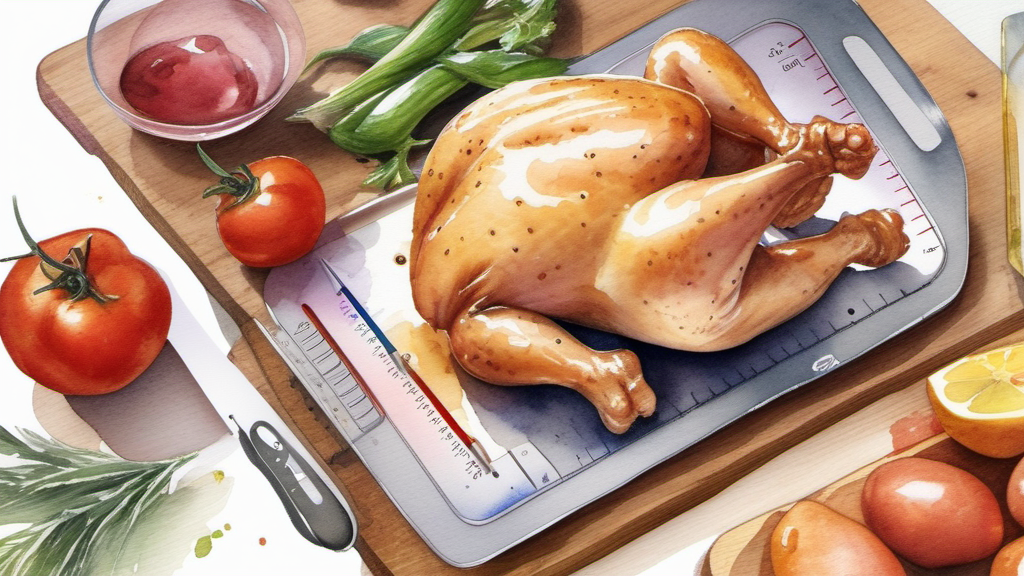
Chicken can look white before it is safe. Burgers can brown before they are safe. Reheated leftovers can steam at the edges while the center remains lukewarm. The fix is inexpensive: use an instant-read thermometer and learn the few temperatures that matter most.
For home cooks, the big categories are poultry, ground meats, whole cuts, fish, eggs, and leftovers. Follow current USDA and FoodSafety.gov guidance for exact targets. The broader principle is that the thickest part of the food should reach the safe minimum internal temperature, and the probe should not be touching bone, pan, or air pockets.
2. The Cooling Step Is Where Many Batches Go Wrong
Large batches are convenient, but heat leaves slowly from deep pots and dense casseroles. A stockpot of chili left on the counter can stay warm for hours in the center. That is exactly the temperature range where bacteria can multiply.
The safer method is to divide hot food into shallow containers, leave lids vented briefly so steam can escape, and refrigerate promptly. For soups, stews, and sauces, an ice bath or smaller containers speed cooling. For rice and pasta, spread portions rather than packing a deep tub while still hot.
3. Refrigerators Need Verification Too
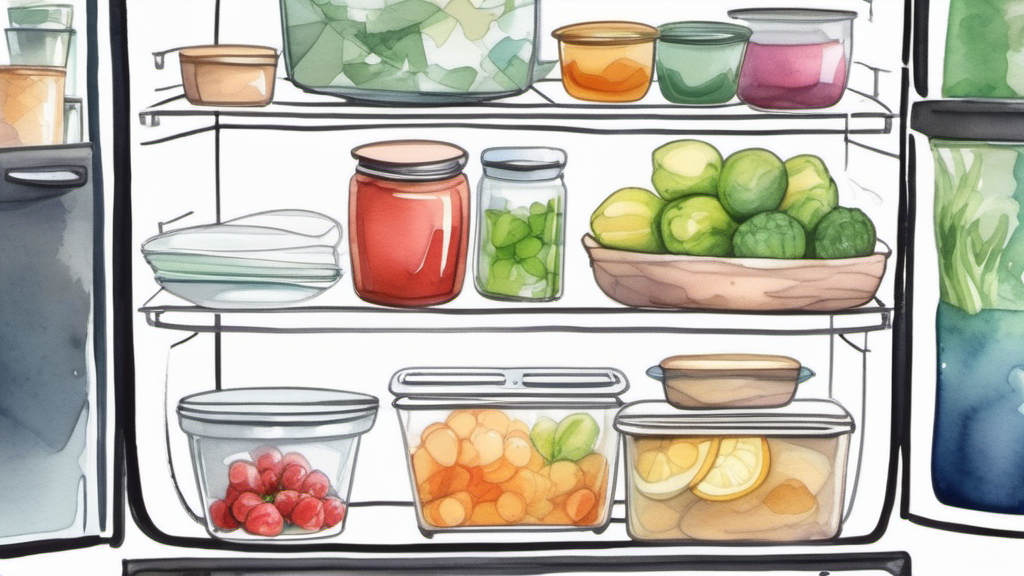
A refrigerator setting is not the same as refrigerator temperature. Put a small appliance thermometer in the fridge and confirm it stays at 40°F or below. Crowded shelves, blocked vents, weak door seals, and frequent door opening can create warm zones. Store ready-to-eat foods above raw meats. Keep meal-prep containers where cold air can circulate.
If you pack lunches, remember that the refrigerator is only one part of the cold chain. Use insulated bags and ice packs when food will sit unrefrigerated. A lunch that leaves the fridge at 7 a.m. and sits in a backpack until noon is not the same as a lunch stored in an office refrigerator.
4. Label Containers With a Real Use-By Plan
Meal prep becomes risky when containers lose their timeline. Use painter’s tape, washable labels, or a marker system. Write the prep date and the intended eat-by date. Three to four days is a common guideline for many cooked leftovers when they were cooled and stored correctly. If you cook on Sunday and know a meal will not be eaten until Friday, freeze it.
Labels also reduce food waste. A visible timeline makes it easier to eat the oldest container first and prevents the mystery box problem: food that might be fine but nobody trusts.
5. Reheat Fully and Stir Strategically
Microwaves heat unevenly. Dense rice bowls, pasta bakes, and casseroles often have cold centers. Stir halfway, rotate the container, cover to retain moisture, and check the center. When reheating leftovers, follow FoodSafety.gov guidance for reaching safe reheating temperatures. Let food stand briefly after microwaving so heat distributes.
Do not repeatedly reheat and cool the same large batch. Portion before storage so you reheat only what you plan to eat. Repeated temperature cycling damages texture and increases handling risk.
6. Treat Rice, Pasta, and Potatoes With Respect
Meal preppers often focus on meat and forget starchy sides. Cooked rice, pasta, and potatoes can support bacterial growth when cooled slowly or left at room temperature. The solution is not fear; it is fast cooling and cold storage. Portion grains into shallow containers, refrigerate promptly, and reheat thoroughly.
Fried rice, grain bowls, pasta salads, and potato dishes are safe when handled correctly. They become risky when a large pot sits warm, then gets packed late, then gets eaten cold days later without a clear timeline.
7. Separate Raw and Ready-to-Eat Workflows
Cross-contamination is a workflow problem. Prep salad greens, fruit, and ready-to-eat items before raw meat, or use separate boards and knives. Wash hands after touching raw poultry, meat, seafood, or eggs. Sanitize surfaces that contacted raw juices. Do not place cooked food back on the same unwashed plate that held raw food.
Color-coded boards can help, but the habit matters more than the accessory. The question is always: could raw juice have reached something that will not be cooked again?
8. High-Risk Foods Need a Shorter Leash
Be more conservative with seafood, cooked rice, dairy-heavy sauces, egg dishes, cut fruit, deli meats, and meals for pregnant people, older adults, young children, or immunocompromised family members. These groups are more vulnerable to foodborne illness. If a container smells strange, has a damaged seal, was left out too long, or has an uncertain date, discard it.
Vacuum sealing and airtight containers slow oxidation and freezer burn; they do not erase time-temperature mistakes. A sealed unsafe food is still unsafe.
9. Build a Safer Sunday Prep Routine
A reliable routine looks like this:
- Check refrigerator temperature before cooking.
- Cook proteins to verified temperatures.
- Portion hot foods into shallow containers.
- Vent briefly, then refrigerate promptly.
- Label prep date and use-by date.
- Freeze late-week portions immediately.
- Pack lunches with ice packs when refrigeration is uncertain.
- Reheat leftovers thoroughly and stir for even heat.
- Discard anything with an unknown timeline.
10. A Home Temperature Map That Prevents Most Mistakes
The easiest way to make meal prep safer is to treat the kitchen like a small production line. Start with a clean counter, a calibrated or at least sanity-checked thermometer, and containers already washed and ready. Cook the highest-risk proteins first, verify the thickest pieces, then move finished food into shallow portions while the next batch cooks. This prevents the common pattern where everything finishes at once and large pans sit warm while the cook searches for lids.
For mixed meals, check the slowest-heating ingredient rather than the prettiest surface. A chicken-and-rice casserole should be checked in the center. Meatballs should be checked in the largest piece. Soup should be stirred and checked after the pot has evened out. If a microwave is doing the reheating, the safe habit is to stir, rest, and check again; steam on the lid is not proof that the center is hot.
Cooling deserves the same map. A shallow two-cup container cools far faster than a deep quart container. A sheet pan of roasted vegetables should not be stacked into a tight tower while hot. A large pot of chili can be divided, placed in an ice bath, or stored in smaller containers so the refrigerator is not asked to remove heat from one dense mass. The goal is not perfection; it is reducing the time food spends warm.
11. Meal Prep for Work, School, and Long Commutes
Packed meals need a plan beyond the refrigerator. If the meal leaves home, decide how it will stay cold and how it will be reheated. An insulated lunch bag with two ice packs is a better default than trusting an office fridge that may be crowded, warm, or unavailable. If a meal contains seafood, dairy sauce, cooked rice, eggs, or sliced fruit, be more conservative about unrefrigerated time.
For office microwaves, choose containers that can be stirred easily. Dense square blocks of rice and chicken heat poorly. Looser bowls, sauce on the side, and smaller portions reheat more evenly. If the workplace has no reliable reheating option, design lunches that are safe and pleasant cold: bean salads, properly chilled pasta salads, hard cheeses, whole fruit, and shelf-stable add-ons. Keep high-risk leftovers for days when refrigeration and reheating are controlled.
Families can use a simple label system: blue tape for Monday and Tuesday, green for Wednesday and Thursday, freezer labels for later. The label should show the cook date and the planned eat-by date, not just the recipe name. That single habit prevents the most common leftover argument: whether a container is still within the safe window.
12. What Equipment Is Worth Buying?
The most useful tool is an instant-read thermometer. It does not need to be expensive, but it should respond quickly enough that you will actually use it. A refrigerator thermometer is the second most useful because it catches warm fridges before they ruin a week of food. Shallow glass or plastic containers, painter’s tape, a marker, ice packs, and a small cooler bag matter more than specialty meal-prep accessories.
Vacuum sealers are excellent for freezer organization and reducing freezer burn, but they are not a safety shortcut. Food must still be cooked, cooled, and stored correctly before sealing. Likewise, divided bento containers are convenient, but they do not solve slow cooling if the food is packed too deep while hot. Buy tools that support the workflow; do not let tools replace the workflow.
13. Red Flags That Mean “Do Not Rescue This”
Some leftovers are not worth gambling on. Discard food with an unknown prep date, a broken cold chain, a swollen container, visible mold, unusual odor, slimy texture, or evidence that raw juices contacted ready-to-eat items. Do not taste a questionable food to decide whether it is safe. Spoilage clues and pathogen risk are not the same thing, and a small taste is still exposure.
When in doubt, compare the cost of the meal with the cost of a sick day. Meal prep is supposed to make the week easier. A clear discard rule protects that goal.
Bottom Line
Safe meal prep is not complicated, but it is unforgiving of vague habits. Buy a thermometer, cool food quickly in shallow containers, keep the refrigerator cold, label every batch, and reheat evenly. Those steps protect both the cook’s time and the people eating the meals.