Reusable Water Bottle Cleaning Summer Safety Routine
A practical food-safety routine for cleaning reusable water bottles, caps, straws, gaskets, and gym or car bottles during hot weather.
Safety fact check included
CookNest Daily articles surface source counts, timing assumptions, kitchen-test notes, and food-safety caveats. This label means editorial safety review, not a substitute for local food-code or medical guidance.
A reusable bottle is easy to treat like a personal item rather than a food-contact surface, but hot cars, gym bags, sweet drinks, straws, caps, and silicone gaskets can turn it into a hygiene problem. This guide was checked on 2026-06-14 against CDC, FDA, USDA FSIS, FoodSafety.gov, and MedlinePlus hygiene resources. It is a practical home routine, not food-service regulation or medical advice. Follow the bottle manufacturer’s cleaning limits, dishwasher guidance, and any local health instructions.
Reusable bottle cleaning decision table
| Situation | Safer choice | Mistake to avoid |
|---|---|---|
| Bottle held plain water all day | Wash regularly and dry open | Assuming water-only means never cleaning |
| Bottle held sweet or protein drink | Wash promptly and separate parts | Letting residue sit in a closed warm bottle |
| Lid has gasket or straw | Remove and dry when design allows | Cleaning only the visible bottle wall |
| Bottle was left hot in car | Discard contents and clean before reuse | Adding ice and continuing to drink |
1. Disassemble before cleaning
The lid matters as much as the bottle body. Remove straws, bite valves, gaskets, caps, filters, and sleeves when the design allows. Hidden seams can hold residue even when the bottle looks clear. If a part cannot be inspected or dried, treat it as higher risk and clean it more often. Avoid using a strong chemical or boiling method unless the manufacturer says the material can handle it.
Reader action: choose the conservative option when two warning signs overlap, and write down the condition that would make you stop, discard, postpone, or call qualified help. This turns the article from general advice into a repeatable safety routine.
2. Wash after sweet drinks, dairy, protein, or heat
Plain water bottles still need cleaning, but sugary drinks, smoothies, electrolyte mixes, coffee, dairy, and protein shakes need faster attention. Heat makes residue smell and microbial growth more likely, especially in closed cars or gym bags. Empty the bottle, rinse promptly, wash with hot soapy water when appropriate, and let every part dry with airflow before reassembly.
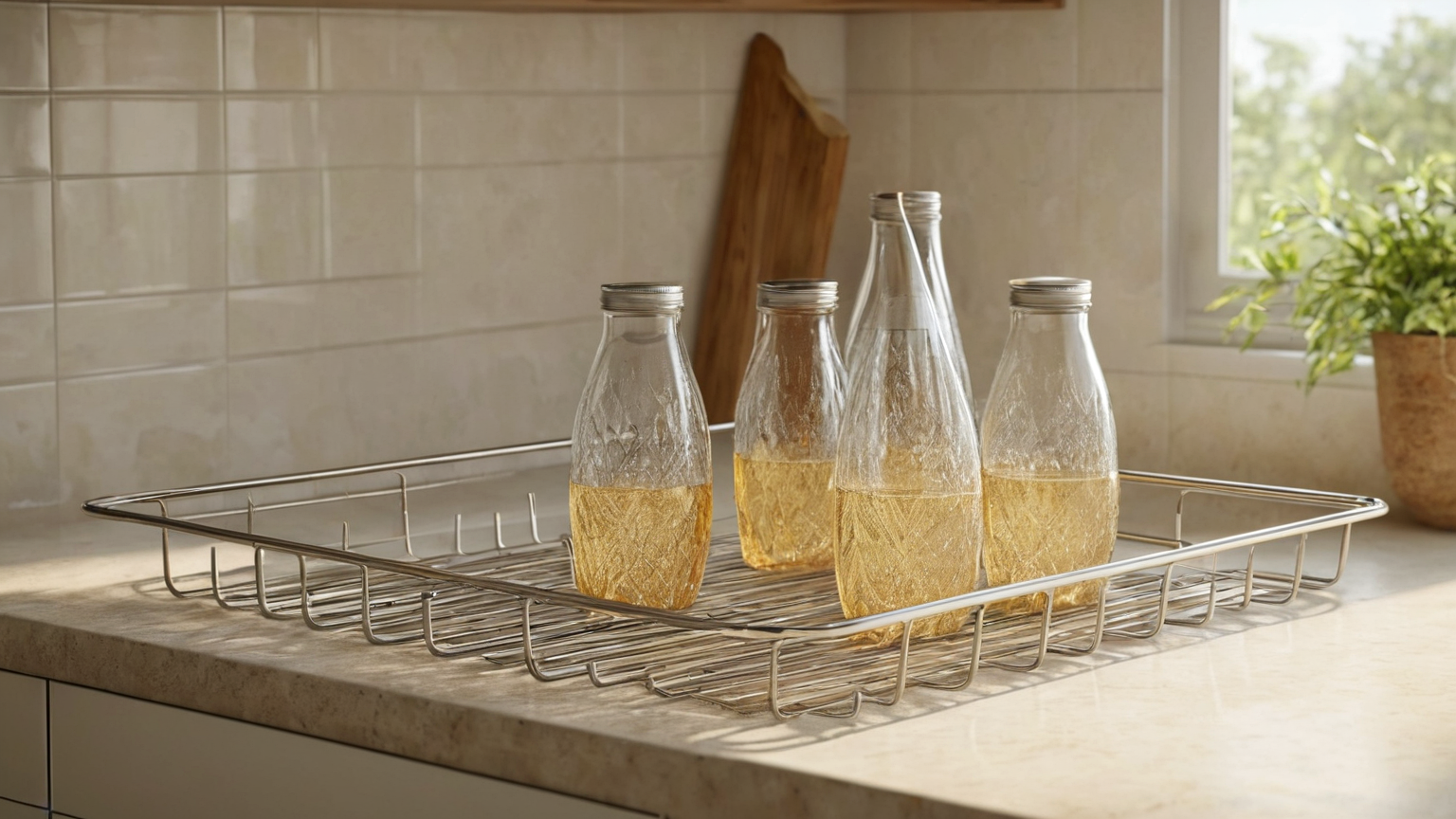
3. Drying is part of cleaning
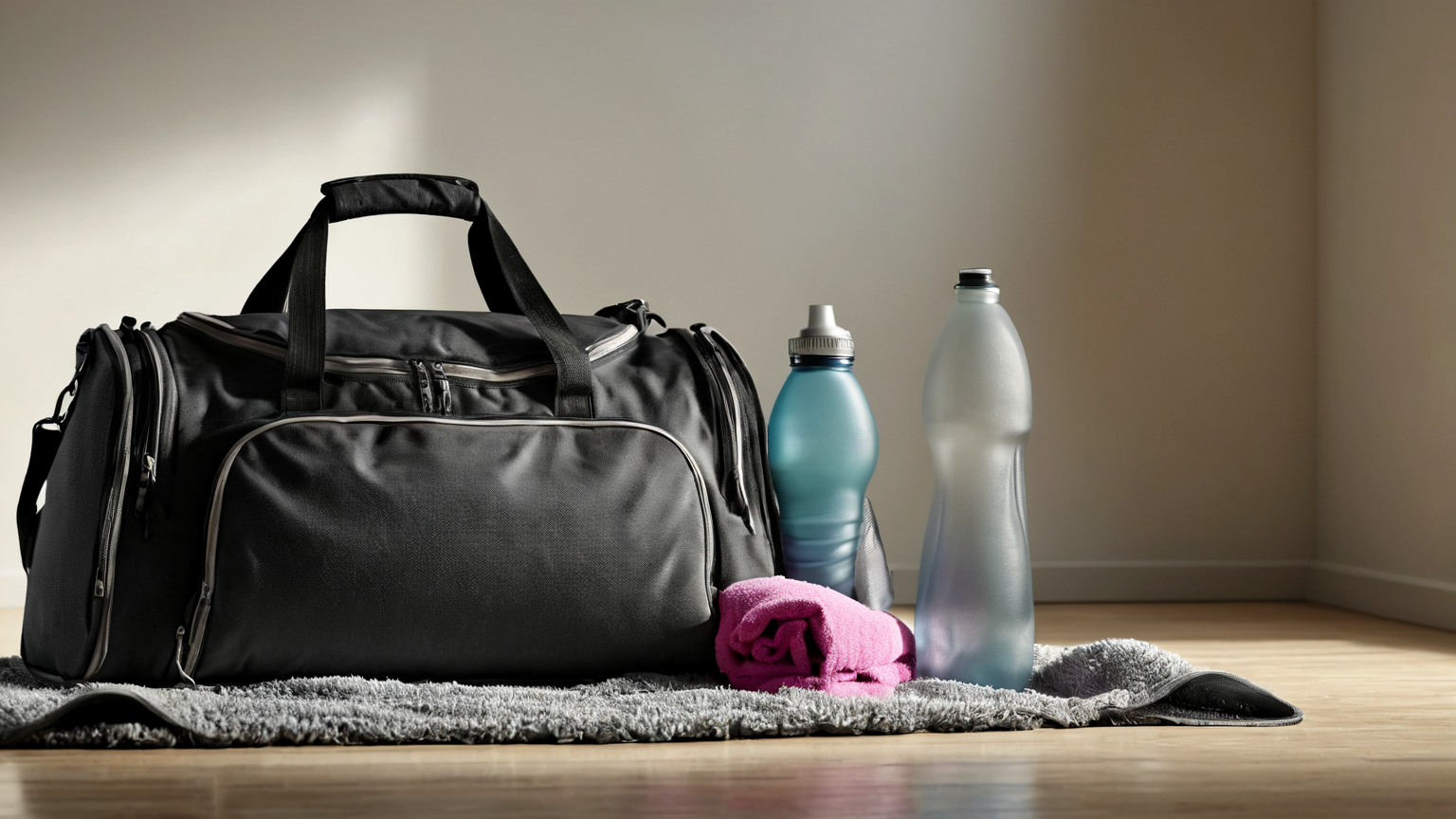
A wet closed bottle is not finished. Air-dry the bottle and lid pieces separately, with the cap off and straw removed. Use a clean rack or towel and avoid setting parts in a dirty sink. If the bottle must go into a bag before fully dry, pack it open or clean it again later. The routine should reduce moisture traps rather than hide them.
4. Use a summer carry rule
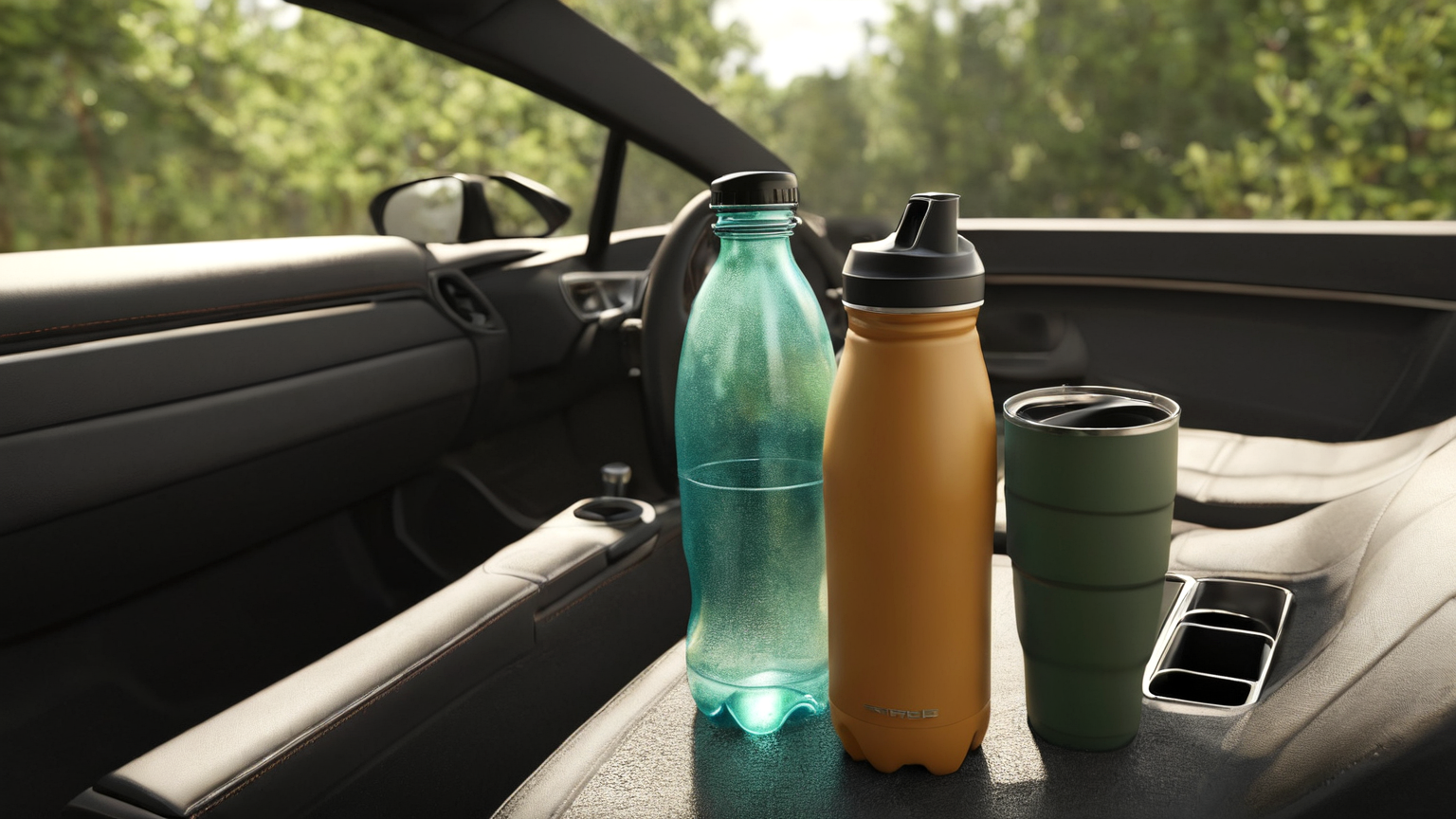
Do not leave a half-full bottle in a hot car, then treat it as fresh. For long errands, gym sessions, or children’s activities, bring a clean bottle, discard old mixed drinks, and plan a wash when you return. If the bottle has visible slime, persistent odor, mold-like spots, cracks, or a damaged gasket, cleaning may not be enough. Replace questionable parts rather than negotiating with them.
5. Keep claims practical and non-commercial
The article avoids ranking bottle brands or brushes. The helpful-content value is the behavior: disassemble, wash, dry, and replace damaged parts. That makes the page more trustworthy for AdSense review than a thin affiliate list and keeps safety guidance in accessible text rather than image labels.
Seven-point implementation checklist
- Open the most current official source or alert before relying on memory.
- Match the guidance to the actual person, food, vehicle, room, weather, or equipment in front of you.
- Keep the procedure, warning signs, and decision rules in readable page text rather than embedded image text.
- Reduce speed, intensity, exposure time, moisture, or food holding time when uncertainty increases.
- Separate normal maintenance from situations that require qualified medical, mechanical, electrical, food-safety, or remediation help.
- Avoid product-first shortcuts; the highest-value action is usually timing, cleaning, spacing, cooling, or conservative decision-making.
- Revisit the checklist after the season, route, illness, equipment, or household conditions change.
Source notes and limitations
The listed sources set conservative boundaries for a household, health, driving, or kitchen planning article. They do not replace local law, recalls, product manuals, clinicians, emergency responders, mechanics, electricians, food- service rules, or qualified remediation professionals. This page is intentionally non-affiliate and preserves AdSense readiness by making the evidence, limitations, and internal navigation visible.
FAQ
Why is this a 2026 guide?
The post was prepared during the 2026-06-14 publishing run and its source URLs were checked as part of the workflow. Readers should still open current official pages when conditions are changing.
Why are the visuals text-free?
The images are GTI13 raster illustrations. The real checklist, table, warnings, and source notes stay in HTML/MDX text so readers can copy, search, translate, and verify them.
Does this page contain affiliate recommendations?
No. The article is designed as helpful, source-backed guidance rather than product placement or thin volume content.
2026 AdSense quality update: how to use this guide in a real kitchen
This section was added on 2026-06-26 after a sitewide quality review. The goal is to make Reusable Water Bottle Cleaning Summer Safety Routine more useful than a short reminder list: it should help a reader decide what to do, what to measure, and when to stop. For this topic, the main risk is that sponges, boards, sinks, bottles, and appliance crevices can look clean while carrying residue. The safe response is not a vague promise to “be careful”; it is to separate raw-meat tools from produce tools, wash with hot soapy water, sanitize when appropriate, and air-dry surfaces before storage.
Use the guide as a kitchen workflow, not as medical advice. If someone is already ill, has a high-risk immune status, is pregnant, is an older adult, or is feeding young children, use official food-safety guidance and professional medical advice rather than experimenting with borderline food.
Decision workflow for cleaning and cross-contamination
| Checkpoint | What to verify | Safer default | Evidence to keep |
|---|---|---|---|
| Before cooking | Is the ingredient cold, separated, and within date? | Start with clean hands, a clean board, and a clean tool set. | Package date, refrigerator temperature, or shopping time. |
| During prep | Can raw juices or dirty water reach ready-to-eat food? | Separate raw, cooked, and produce zones before the counter gets busy. | Which board, knife, plate, and towel were used. |
| During cooking or holding | Is there a measurable temperature or time control? | Use a thermometer, timer, shallow container, or cooler plan instead of memory. | Internal temperature, discard time, or cooling start time. |
| Serving | Will guests open, touch, or move the food repeatedly? | Serve smaller portions and refill from a controlled hot/cold source. | Time the first serving dish left the refrigerator, grill, or oven. |
| Leftovers | Do you know the time and temperature history? | Refrigerate promptly; discard when the history is unclear. | Container label with date and food name. |
| Cleanup | Could residue move to tomorrow’s food? | Wash, sanitize where appropriate, and air-dry before storage. | Tool or surface that needs a second pass. |
Three common failure scenarios
- The schedule slips. Guests arrive late, errands take longer than expected, or a storm changes the plan. When timing changes, reset the food-safety clock instead of stretching it. Move food back to controlled temperature, or write a new discard time.
- The workspace gets crowded. Phones, towels, packaging, pets, and drink cups enter the prep area. Clear one clean landing zone for ready-to-eat food and keep raw-food tools visibly separate.
- A food looks fine but the history is unknown. The dangerous version is wiping a raw-meat board and then cutting fruit, or storing a damp bottle or sponge in a closed space. Smell, color, and texture are not reliable safety tests. When the time/temperature history is missing, discard the food.
Household checklist
- Put a refrigerator thermometer where it can be seen without moving food.
- Keep at least one instant-read thermometer clean and easy to reach.
- Use shallow containers for dense leftovers and label the date.
- Keep raw-meat boards, produce boards, and serving platters visually different.
- Decide the discard rule before cooking begins, not after everyone is tired.
- Re-check official sources when cooking for high-risk people or large groups.
Why this page exists
Many food-safety articles repeat the same four words—clean, separate, cook, chill—without showing the handoffs where people actually fail. CookNest Daily articles now include the handoff: what to measure, what to separate, what to label, and what to discard. That is the value this page adds for readers preparing a real meal.